

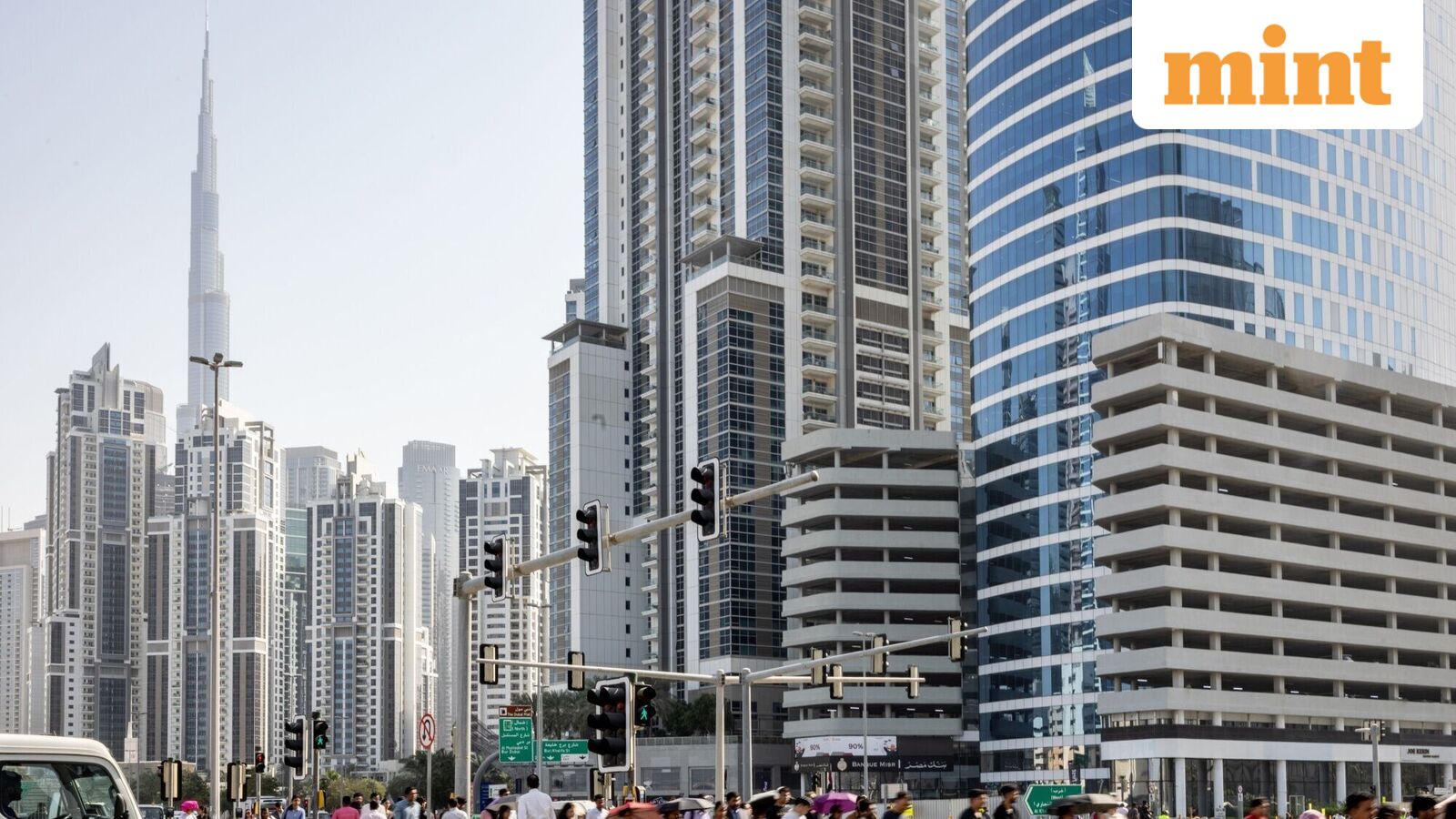
For nearly two decades, Dubai has stood as a beacon for global real estate investment, a dynamic oasis of opportunity powered significantly by an influx of international capital. Among its most pivotal contributors, Indian investors have consistently formed the bedrock of its property market, often accounting for more than a fifth of all foreign acquisitions. This robust relationship, built on geographical proximity, cultural ties, robust economic policies, and attractive returns, is now navigating increasingly complex geopolitical currents that threaten to recalibrate investment flows and reshape the emirate’s real estate trajectory.
The Enduring Allure of Dubai for Indian Capital
The scale of Indian engagement in Dubai’s real estate sector is unparalleled. Recent estimates indicate that Indian nationals and people of Indian origin collectively comprise the largest foreign investor group, consistently exceeding 20% of all international property purchases. The financial commitment has been substantial, with investments in residential properties alone surging from an estimated ₹37,000 crore in 2023 to projections nearing ₹95,000 crore in recent periods, reflecting an accelerated pace of capital deployment. This significant growth underscores not only the burgeoning wealth among India’s high-net-worth individuals (HNIs) and expatriate community but also Dubai’s strategic appeal as a safe haven and a profitable investment destination.
Several factors converge to make Dubai exceptionally attractive to Indian investors. Paramount among these is the promise of superior rental yields, particularly in the residential segment, which often surpasses returns available in comparable Indian metropolitan markets. The ease of entry, characterized by streamlined regulatory processes and a transparent land registry system, further simplifies the investment journey. Dubai’s property market has also experienced an extraordinary boom, with prices in some segments witnessing an appreciation of 60-70% since 2021, offering substantial capital gains. Beyond financial incentives, the UAE’s investor-friendly policies, notably the Golden Visa program, provide long-term residency options, significant tax advantages (including zero income and capital gains tax), and enhanced mobility, making it a comprehensive package for wealth preservation and lifestyle enhancement. This appeal extends beyond individual buyers; a growing number of Indian real estate developers have also established operations or announced expansion plans in the emirate, recognizing the deep market potential and the robust demand from the Indian diaspora.
Geopolitical Headwinds and Investor Sentiment
However, the buoyant sentiment underpinning Dubai’s real estate market is now confronting an undeniable shift. The escalating geopolitical tensions and ongoing conflicts in the broader West Asia region have introduced a layer of uncertainty, prompting investors to adopt a more cautious, "wait-and-watch" approach. Dubai, despite its historical neutrality and status as a regional economic hub, is not entirely immune to the ripple effects of regional instability. Its reliance on international investors and a large expatriate population, with Indians and UK citizens forming the largest foreign demographics, makes its property market particularly sensitive to shifts in global confidence.
This heightened perception of risk typically manifests first in more speculative segments of the market. Off-plan properties, which involve purchasing units before construction is complete, and other under-construction projects, are usually the first to experience a slowdown. These investments inherently carry a higher risk premium and are more susceptible to fluctuations in market confidence and future economic outlooks. While established, ready-to-move properties might retain some resilience, a widespread dip in investor enthusiasm can lead to delayed purchase decisions, renegotiation of deals, and a general tempering of demand. Property consultants and market analysts are closely monitoring these trends, anticipating a potential near-term correction in property prices as investors hold off on closing deals until greater clarity emerges regarding the regional geopolitical landscape and its long-term implications for Dubai’s stability and economic growth.
Dubai’s Market Dynamics: From Boom to Anticipated Correction
The post-pandemic era saw Dubai’s real estate market embark on an unprecedented rally. Fueled by the successful hosting of Expo 2020, proactive government initiatives to attract talent and capital, and its perceived safe-haven status amidst global economic volatility and inflationary pressures, property prices soared. This boom was also supported by a surge in oil prices, benefiting the wider UAE economy and trickling down into increased liquidity for real estate investments. The government’s strategic focus on diversification, coupled with its efficient handling of the COVID-19 pandemic, further bolstered its image as a resilient global city.
However, market cycles are an inherent feature of any dynamic economy. After such a prolonged period of rapid appreciation, a price correction is often a natural adjustment mechanism, exacerbated by external factors like geopolitical instability. The "wait-and-watch" sentiment, if sustained, can lead to an imbalance between supply and demand, putting downward pressure on prices. While some investors might view this as an opportunity to secure distressed assets, experts suggest such opportunities might be limited, given Dubai’s underlying economic strength and government’s capacity for intervention. The emirate’s long-term resilience hinges on its ability to maintain investor confidence through transparent governance, continued economic diversification efforts, and strategic positioning as a global business and tourism hub.
India’s Domestic Real Estate: A Different Trajectory
In contrast to Dubai’s current climate of cautious optimism, India’s domestic real estate market has charted its own distinct course. Post-pandemic, the Indian residential sector, in particular, witnessed a sharp and sustained recovery, reaching new sales milestones annually. This resurgence was driven by factors such as strong economic growth, rapid urbanization, a growing middle class, robust infrastructure development, and increased affordability due-to-stable interest rates in the initial recovery phase. The commercial office, hospitality, and logistics sectors also experienced strong, albeit slightly delayed, recoveries, attracting significant institutional investments. This momentum brought non-resident Indian (NRI) investors back to the domestic market, which had experienced a prolonged slowdown prior to the pandemic.
Despite this robust performance, property analysts suggest that India’s real estate market may have reached a temporary plateau. Housing sales, while strong, have begun to stabilize after several years of sharp year-on-year increases. Similarly, home prices, after a period of significant appreciation in major urban centers, appear to have peaked in certain segments, potentially pricing out a segment of buyers and investors. While the market remains fundamentally stable and demand persists, particularly in affordable and mid-income housing, the immediate prospect of outsized returns may be diminishing. Therefore, it is unlikely that India’s real estate market will significantly benefit from any major capital reallocation away from Dubai. The investor profiles and investment objectives often differ, and while a steady return of Indian expatriates from Dubai could lead to some localized investment in the domestic property market, it is not anticipated to be a major systemic driver for the entire sector.
Global Alternatives and Portfolio Diversification
For ultra-high-net-worth Indian investors looking beyond Dubai, the landscape of international real estate offers a diverse array of alternatives, each with its own set of attractions. The United Kingdom, particularly London, remains a perennial favorite. Despite being significantly more expensive than Dubai, the UK is highly valued for its potential for strong capital appreciation, its stable legal and regulatory framework, and its appeal for education-linked property purchases by HNI families with children studying in British institutions. The perceived security of investments and the established financial ecosystem further solidify its position as a preferred destination for wealth preservation and growth.
Canada also draws substantial Indian and NRI investment, primarily driven by strong immigration pathways, a stable economy, and a reputation for high quality of life. Property markets in major Canadian cities offer diversified investment opportunities across residential and commercial segments. Beyond these traditional choices, Indian HNIs are increasingly exploring other global hubs like the United States (major cities like New York, Los Angeles), parts of Europe (e.g., Germany, France), and Singapore, as part of a broader strategy of international portfolio diversification. These investments are often driven by a mix of factors including capital appreciation, rental income, wealth diversification across different currencies and economies, and lifestyle considerations.
The short-term disruption and anticipated price correction in Dubai may indeed prompt some Indian buyers to renegotiate existing deals or explore opportunities for distressed asset purchases. However, the prevalence of truly "distressed" deals in a market like Dubai, known for its resilience and government backing, is likely to be limited. The overarching sentiment suggests a strategic pause rather than a wholesale withdrawal. The speed at which investor confidence returns to Dubai’s real estate market will be a critical indicator, intrinsically linked to the stabilization of the geopolitical environment and Dubai’s continued demonstration of its economic fortitude and strategic importance on the global stage. As Indian wealth continues to grow and seek global avenues, its interaction with international property markets, particularly Dubai’s, will remain a key economic narrative to watch.