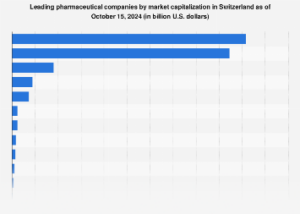


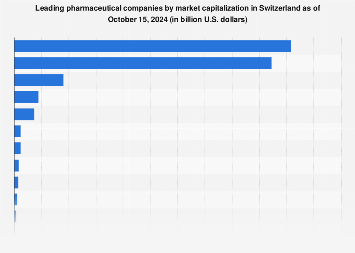
The Swiss pharmaceutical sector continues its impressive trajectory, solidifying its position as a powerhouse in global healthcare innovation and market value. As of 2024, the nation’s leading pharmaceutical companies command substantial market capitalizations, underscoring their dominance in research, development, and commercialization of life-saving and life-enhancing medicines. This sustained leadership is not merely a reflection of current market sentiment but a testament to decades of strategic investment, scientific excellence, and a robust regulatory environment that fosters groundbreaking discoveries.
At the forefront of this esteemed cohort are companies whose names have become synonymous with pharmaceutical innovation. These entities are not just significant players within Switzerland’s strong economic fabric but are critical contributors to the global healthcare landscape, addressing unmet medical needs across a spectrum of diseases. Their market valuations, often measured in the hundreds of billions of U.S. dollars, reflect investor confidence in their product pipelines, ongoing clinical trials, and established commercial franchises. This confidence is hard-earned, stemming from a consistent ability to bring novel therapies to market and to navigate the complex, highly regulated, and intensely competitive pharmaceutical industry.
The economic impact of these Swiss pharmaceutical giants extends far beyond their stock prices. They are major employers, providing high-skilled jobs in research, manufacturing, sales, and administration. Their operations contribute significantly to Switzerland’s export-driven economy, with a substantial portion of their revenue generated from international markets. Furthermore, their substantial investments in research and development (R&D) not only fuel their own growth but also create a ripple effect, supporting academic research institutions, contract research organizations, and a network of suppliers and service providers. This ecosystem of innovation is a critical factor in Switzerland’s enduring economic prosperity.
Analyzing the market capitalization of these companies provides a snapshot of their perceived value and future prospects by investors. While specific figures fluctuate with market dynamics, the consistent presence of Swiss firms at the apex of global pharmaceutical valuations highlights their enduring strengths. These strengths include a deep-seated commitment to scientific rigor, a strategic focus on high-growth therapeutic areas such as oncology, immunology, and rare diseases, and a sophisticated understanding of global regulatory pathways. The ability to successfully navigate patent cliffs, manage drug development risks, and adapt to evolving healthcare reimbursement models are all crucial elements contributing to their sustained market leadership.
Global comparisons further illuminate Switzerland’s pharmaceutical prowess. While other nations also boast significant pharmaceutical industries, Switzerland consistently punches above its weight relative to its size. This is partly attributable to a highly educated workforce, a stable political and economic climate, and a culture that values precision and long-term strategic planning. The country’s tax policies and regulatory framework are also often cited as conducive to attracting and retaining pharmaceutical investment, although ongoing debates about pricing and access continue to shape the industry’s operational landscape.
The R&D expenditure of these leading Swiss firms is particularly noteworthy. Companies like Roche and Novartis, for instance, consistently rank among the top global spenders on pharmaceutical research. This investment is not merely about developing new blockbuster drugs; it also encompasses innovation in drug delivery systems, diagnostics, and personalized medicine. The increasing integration of digital technologies and artificial intelligence into drug discovery and development processes further signifies the forward-looking approach of these companies, aiming to accelerate the identification of promising drug candidates and optimize clinical trial design.
The competitive landscape for these pharmaceutical giants is fierce and multifaceted. They face competition not only from other established multinational pharmaceutical corporations but also from agile biotechnology firms, generic drug manufacturers, and increasingly, from emerging markets that are developing their own pharmaceutical capabilities. The patent system, while crucial for incentivizing innovation, also presents a continuous challenge as blockbuster drugs eventually face generic competition, necessitating a robust pipeline of new products to maintain revenue streams.
Market data indicates that the pharmaceutical sector, globally, has demonstrated resilience even amidst economic uncertainties. This resilience is often attributed to the essential nature of healthcare products and services. However, the industry is not immune to economic headwinds. Factors such as inflation, supply chain disruptions, and geopolitical instability can impact R&D costs, manufacturing operations, and market access. Despite these challenges, the fundamental demand for innovative medicines remains strong, driven by aging populations, the rise of chronic diseases, and advancements in medical science that open up new treatment possibilities.
The strategic decisions made by the leadership of these Swiss pharmaceutical titans are closely scrutinized by investors and industry analysts. Mergers and acquisitions (M&A) play a significant role in portfolio management, allowing companies to acquire promising new technologies or therapeutic areas, or to divest non-core assets. Partnerships and collaborations, both with academic institutions and with other industry players, are also vital for sharing risks and leveraging expertise in the complex and capital-intensive process of drug development.
Looking ahead, the focus for Switzerland’s leading pharmaceutical companies will likely remain on continued innovation, particularly in areas with high unmet medical needs. The ability to adapt to evolving regulatory requirements, navigate pricing pressures from healthcare systems worldwide, and embrace new scientific paradigms will be critical for maintaining their leadership positions. The ongoing digital transformation of the industry, from AI-driven drug discovery to the use of real-world evidence in post-market surveillance, will also shape the future trajectory of these companies. Their sustained success will depend on their capacity to integrate these advancements seamlessly into their operations and to continue delivering value to patients, healthcare providers, and shareholders alike. The substantial market capitalizations observed in 2024 serve as a powerful indicator of the market’s ongoing belief in the Swiss pharmaceutical sector’s capacity for enduring innovation and economic contribution.