


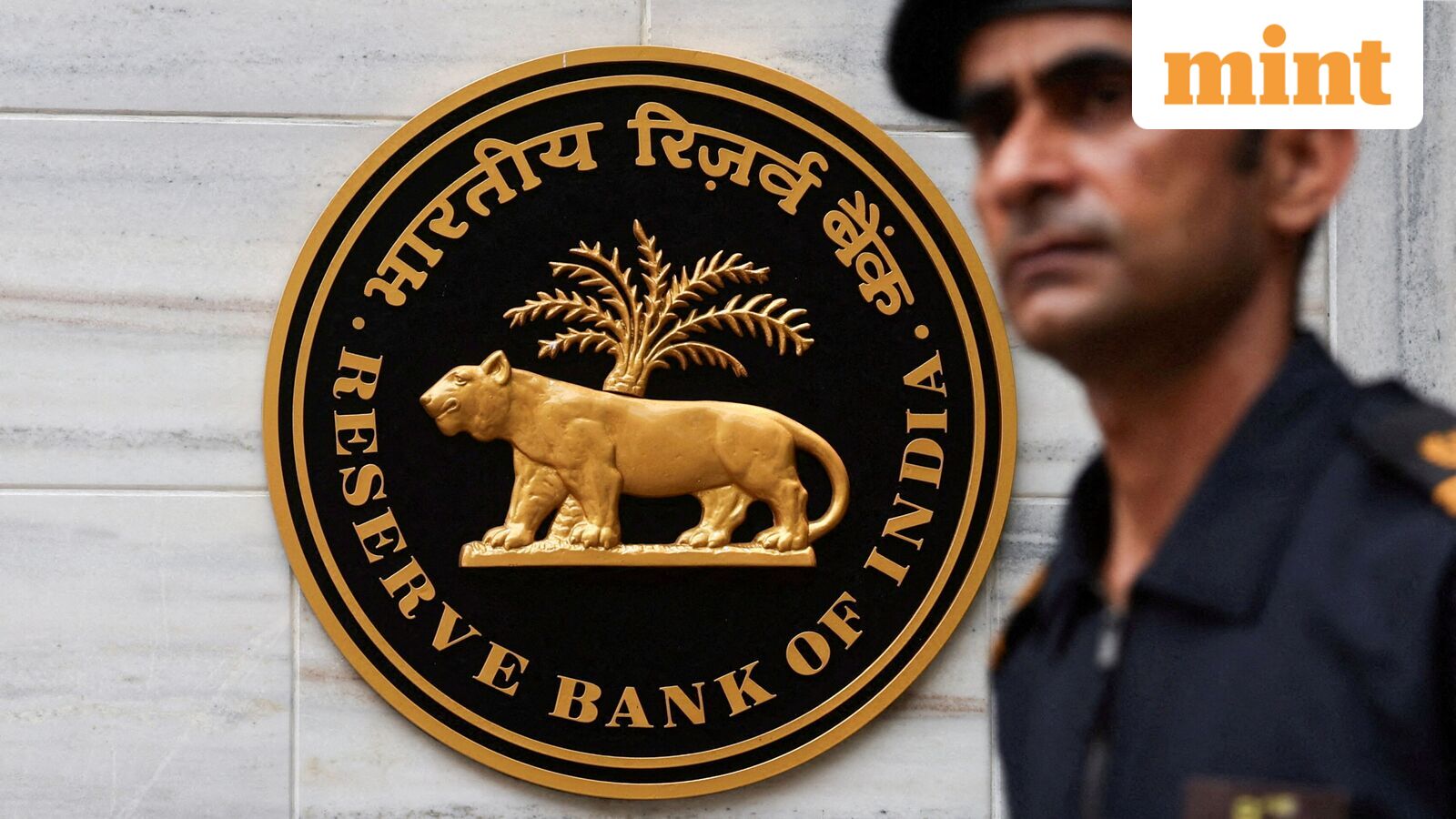
India’s digital payment ecosystem has witnessed an unprecedented surge, transforming how millions conduct financial transactions and propelling the nation towards a less-cash economy. This rapid digital adoption, while fostering financial inclusion and economic efficiency, has simultaneously presented a formidable challenge: the escalating incidence of online financial fraud. In response to this growing concern, the Reserve Bank of India (RBI) has unveiled a groundbreaking proposal to establish a framework for partly compensating victims of small-value digital payment fraud, even in scenarios where some degree of customer negligence may have contributed to the loss. This initiative marks a significant policy shift, aiming to instill greater confidence among users and distribute the financial burden more equitably across the entire payment value chain, including the central bank itself.
The core of the RBI’s proposed framework centers on a shared liability model designed to offer partial reimbursement for transactions up to ₹50,000. Under these draft guidelines, victims could potentially receive up to 85% of their loss, capped at ₹25,000, whichever is lower. Crucially, this benefit is intended as a one-time relief measure per customer, a design choice that balances consumer protection with the need to prevent moral hazard and encourage ongoing vigilance. This strategic cap and one-time provision underscore the RBI’s intent to provide a safety net for genuine victims without creating an avenue for repeated claims that could strain the system. The underlying philosophy is to ensure that customers, particularly those less technologically savvy or susceptible to sophisticated social engineering tactics, are not left entirely exposed to the financial repercussions of online trickery.
Defining "customer negligence" is a pivotal aspect of the framework. The RBI’s draft guidelines encompass situations where a customer might have unwittingly shared sensitive credentials like PINs, passwords, One-Time Passwords (OTPs), or other confidential details, or even downloaded malicious applications. These actions, often results of elaborate phishing, vishing, or smishing scams, are recognized as contributing factors to fraud. However, the proposal acknowledges that even in such instances, victims deserve a degree of protection, provided they act swiftly. A stringent condition for eligibility is that customers must report the fraud to their bank and the National Cyber Crime Helpline or portal within five calendar days of the incident. This prompt reporting mechanism is critical not only for initiating the compensation process but also for enabling financial institutions and law enforcement to track and potentially recover funds, thereby enhancing the overall effectiveness of fraud mitigation efforts.
A distinctive feature of this framework is the explicit distribution of the financial burden across multiple stakeholders. Unlike traditional models where liability often rests solely with the customer or the bank, the RBI’s proposal involves the issuing bank, the beneficiary bank, and even the central bank itself. For instance, in a scenario where a ₹25,000 compensation is disbursed, the RBI is slated to contribute a substantial ₹19,118, while the customer’s bank and the beneficiary bank would each contribute ₹2,941. For smaller fraud losses, the RBI’s share could potentially go up to 65% of the compensation amount. This multi-party contribution mechanism underscores the central bank’s commitment to fostering a secure digital payment environment and its recognition that the collective health of the ecosystem is a shared responsibility. RBI Governor Sanjay Malhotra emphasized that this measure provides "immediate relief and solace" to small customers, acknowledging their 15% "skin in the game" along with the banks’ equal contribution, while the central bank bridges the remaining gap, all while incorporating checks to prevent malafide claims.

India’s digital payment landscape has experienced explosive growth, exemplified by platforms like the Unified Payments Interface (UPI). Monthly UPI transactions consistently exceed 10 billion, with transaction values running into trillions of rupees, solidifying its position as a global benchmark for real-time payments. This incredible scale, while a testament to India’s technological prowess and digital appetite, inherently expands the attack surface for fraudsters. From phishing attempts mimicking bank websites to sophisticated social engineering scams where fraudsters pose as bank officials or government agents, the methods are constantly evolving. The RBI’s own report on the "Trend and Progress of Banking in India" highlights the persistent nature of this challenge, with banks reporting 13,469 fraud cases in card and internet transactions in 2024-25, following 27,663 cases in 2023-24 (these figures pertain to frauds of ₹1 lakh and above). While these numbers represent reported cases above a certain threshold, they nonetheless signal a pervasive problem that necessitates robust protective measures for all users, especially those involved in smaller, everyday transactions.
Globally, addressing digital payment fraud, particularly "authorised push payment" (APP) fraud where customers are tricked into initiating payments, remains a complex challenge. Jurisdictions like the UK have moved towards mandatory reimbursement for APP fraud, placing a greater burden on payment service providers. The UK’s Payment Systems Regulator (PSR) recently implemented rules requiring banks to reimburse victims of APP fraud up to £415,000, with a 50:50 split of the cost between sending and receiving firms. This model, while more comprehensive in its reimbursement scope, also aims to incentivize banks to enhance their fraud detection and prevention mechanisms. Other regions, such as the European Union and the United States, have varying degrees of consumer protection, often focusing on unauthorized transactions rather than those initiated by the customer under duress or deception. The RBI’s proposal, with its specific caps, one-time benefit, and direct central bank contribution, appears to carve out a unique path, acknowledging customer negligence while providing a safety net, potentially positioning India as a leader in balancing user responsibility with systemic protection.
While the proposal is widely welcomed as a positive step for consumer protection, its ultimate effectiveness will hinge on meticulous implementation. Experts like Manu Zacharia, CEO at HackIT Technology and Advisory Services, caution that despite extensive awareness campaigns, digital fraud incidents continue to rise, with fraudsters employing increasingly sophisticated social engineering tactics. This dynamic necessitates a continuous re-evaluation of security measures and consumer education strategies. Operational challenges for banks will include streamlining the claims process, accurately assessing degrees of negligence, and integrating seamlessly with the National Cyber Crime Helpline. Ensuring that genuine victims receive timely compensation without bureaucratic hurdles will be paramount to building trust. Furthermore, preventing potential misuse of the one-time benefit, though limited by its small value and cap, will require robust internal controls. The ongoing battle against cybercriminals demands a multi-pronged approach encompassing technological advancements, legislative support, and public awareness campaigns that run parallel to such compensation mechanisms.
The economic and social ramifications of this framework could be substantial. For millions of Indian consumers, especially those in semi-urban and rural areas who are newer to digital banking, this proposal offers a critical layer of financial security. It is expected to significantly boost confidence in digital transactions, encouraging broader adoption and usage of online payment methods, which are vital for financial inclusion and economic growth. Reduced anxiety around potential fraud losses could translate into higher transaction volumes and values, further deepening India’s digital economy. For financial institutions, while there might be an initial increase in administrative costs and direct financial contributions, the long-term benefits could outweigh these. Enhanced customer trust often leads to greater loyalty and reduced reputational damage associated with fraud incidents. It also incentivizes banks to invest more proactively in advanced fraud detection systems, artificial intelligence, and machine learning tools to identify suspicious patterns and prevent losses at the source.
Ultimately, the RBI’s shared liability framework is more than just a compensation mechanism; it is a strategic intervention designed to fortify the foundations of India’s burgeoning digital economy. By acknowledging the complexities of modern cyber fraud and distributing the burden among key stakeholders, the central bank aims to create a more resilient and trustworthy payment ecosystem. This initiative represents a proactive and forward-thinking approach to consumer protection, recognizing that as digital payments become ubiquitous, so too must the safeguards that protect the everyday user. The successful rollout and sustained impact of this framework will undoubtedly serve as a crucial benchmark for other nations grappling with the twin challenges of digital transformation and cyber financial crime, ensuring that India’s digital leap is both rapid and secure.