

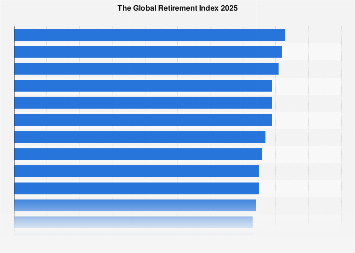
Norway has once again claimed the top spot in the 2025 Global Retirement Index, a comprehensive assessment of retirement security across developed nations. The Nordic country achieved a leading score, underscoring its robust performance in key areas such as healthcare and quality of life, which are critical determinants of a comfortable and secure retirement. Ireland and Iceland follow closely, securing second and third positions respectively, indicating a strong showing from Northern European nations in providing favorable conditions for their aging populations.
The Global Retirement Index, developed by Natixis Investment Managers in collaboration with CoreData Research, serves as a vital benchmark for understanding the multifaceted challenges and opportunities associated with retirement security worldwide. It is a composite welfare index that meticulously analyzes 18 target-oriented indicators, thoughtfully categorized into four thematic sub-indices. These sub-indices – Health, Quality of Life, Material Well-being, and the Finances Necessary for Retirement – collectively paint a holistic picture of a nation’s capacity to support its citizens in their post-work years. The index encompasses a broad spectrum of economies, including International Monetary Fund (IMF) advanced economies, members of the Organization for Economic Cooperation and Development (OECD), and the BRIC nations (Brazil, Russia, India, and China), offering a comparative analysis of 44 countries.
Norway’s consistent high ranking is attributed to a confluence of factors. Its world-class healthcare system, characterized by universal access and advanced medical facilities, significantly contributes to the health sub-index. This ensures that retirees can expect longer lifespans and a higher quality of life in terms of health and well-being. Furthermore, Norway’s strong social safety nets, coupled with high levels of public trust and social cohesion, bolster its quality of life score. The nation’s commitment to environmental sustainability and accessible recreational opportunities also plays a role in fostering a desirable living environment for retirees.
Ireland’s ascent to the second position highlights its progress in bolstering retirement provisions. While specific details for its index score are not fully disclosed without premium access, its strong performance suggests improvements in areas such as financial stability and access to quality services. The country’s economic resilience and its growing focus on long-term care solutions likely contribute to its favorable placement.
Iceland, often lauded for its high living standards and social welfare programs, secures the third spot. Its natural beauty and strong sense of community are significant draws for retirees, and its robust healthcare infrastructure ensures that health needs are well met. Iceland’s commitment to gender equality and its proactive approach to environmental management further enhance its appeal as a retirement destination.
The methodology behind the Global Retirement Index is designed to provide actionable insights for policymakers, financial institutions, and individuals alike. By examining a wide array of indicators, the index identifies best practices in retirement policy and highlights areas where countries may need to focus their efforts. The inclusion of both developed and emerging economies allows for a nuanced understanding of global retirement trends and the diverse challenges faced by different regions.
The financial sub-index, for instance, considers factors such as inflation, interest rates, and economic stability, all of which directly impact the purchasing power and security of retirement savings. In countries with high inflation or volatile interest rates, retirees may find their nest eggs eroding faster, necessitating more robust financial planning and potentially higher savings rates. Conversely, stable economic environments with predictable returns can offer greater peace of mind.
The material well-being sub-index typically assesses factors like income levels, employment rates, and the availability of affordable housing, all of which are crucial for maintaining a comfortable standard of living in retirement. Countries that excel in these areas are better positioned to ensure that their older citizens can continue to enjoy a dignified and financially secure existence.
The thematic sub-indices are not independent silos; they are deeply interconnected. A strong healthcare system, for example, can reduce healthcare expenditures for retirees, thereby improving their material well-being. Similarly, a high quality of life, characterized by safe environments and opportunities for social engagement, can positively impact both physical and mental health.
The current global economic climate presents a complex backdrop for retirement planning. Rising inflation rates in many parts of the world, coupled with geopolitical uncertainties, have created a more challenging environment for investors and savers. Central banks’ efforts to curb inflation through interest rate hikes, while necessary, can also impact the performance of fixed-income investments, a common component of retirement portfolios. This makes a country’s ability to manage inflation and maintain economic stability even more critical for its retirement index ranking.
Furthermore, demographic shifts are a significant global concern. Many developed nations are experiencing aging populations, with a growing proportion of citizens entering retirement while birth rates decline. This demographic imbalance puts pressure on pension systems and social security programs, requiring innovative solutions and sustainable funding models. Countries that have proactively addressed these demographic challenges through policy reforms and the promotion of longer working lives are likely to perform better in the long run.
The Global Retirement Index also implicitly considers the effectiveness of various retirement savings vehicles, from state-sponsored pension plans to private retirement accounts and employer-sponsored defined contribution plans. The accessibility and regulatory framework surrounding these instruments play a crucial role in determining how well individuals can prepare for their retirement. Countries with well-developed and robust retirement savings ecosystems tend to rank higher, as they provide individuals with more tools and opportunities to build financial security.
Looking beyond the top performers, the index provides valuable insights into the relative strengths and weaknesses of other nations. While specific data for all 44 countries requires access to premium content, the broader trends revealed by the index can inform global discussions on retirement policy. For instance, understanding why certain countries consistently lag in specific sub-indices can help identify common challenges, such as inadequate healthcare infrastructure, high unemployment among older workers, or insufficient financial literacy programs.
The ongoing evolution of work, including the rise of the gig economy and remote work, also presents new considerations for retirement planning. Individuals in these non-traditional employment arrangements may face unique challenges in accumulating retirement savings and accessing benefits. Countries that offer flexible and inclusive retirement solutions that cater to diverse employment patterns are likely to be better positioned for the future.
In conclusion, Norway’s continued leadership in the 2025 Global Retirement Index underscores the importance of a holistic approach to retirement security, encompassing robust healthcare, a high quality of life, and sound financial policies. As nations grapple with evolving economic conditions and demographic shifts, the insights provided by this comprehensive index will remain invaluable for shaping policies that ensure a secure and dignified retirement for all. The strong performance of Ireland and Iceland further emphasizes the benefits of proactive social welfare planning and sustainable economic management in fostering environments where citizens can truly thrive in their later years.