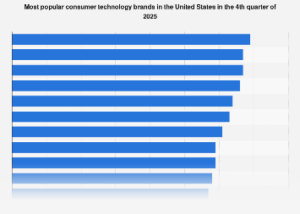



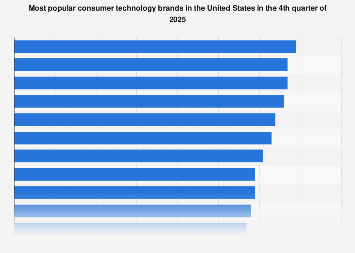
The landscape of consumer technology is in constant flux, driven by innovation, evolving consumer demands, and intense global competition. As we look towards 2025, a clear set of American brands are poised to continue their dominance, shaping not only the domestic market but also influencing technological trends worldwide. These companies, characterized by their vast research and development investments, expansive product portfolios, and deeply ingrained brand loyalty, represent the vanguard of technological advancement, from smart devices and personal computing to entertainment and digital services. Their strategies, market performance, and product roadmaps offer critical insights into the future trajectory of the global tech industry.
The United States has long been a fertile ground for technological breakthroughs, and its leading consumer technology firms consistently demonstrate a remarkable ability to adapt and innovate. This leadership is not merely about market share; it reflects a broader influence on consumer behavior, lifestyle integration, and the very definition of digital connectivity. These brands have cultivated ecosystems that tie users into their platforms, fostering loyalty and creating significant barriers to entry for emerging competitors. The ongoing battle for consumer attention and wallet share is fierce, with these established giants leveraging their brand equity and R&D prowess to maintain their positions.
Several key sectors within consumer technology are particularly indicative of these brands’ strengths. The personal computing and mobile device markets remain central, with companies continually pushing the boundaries of processing power, display technology, and user interface design. Beyond hardware, the ecosystem play has become paramount. Companies that offer integrated services, from cloud storage and digital content streaming to smart home solutions and wearable technology, are increasingly capturing consumer engagement. This holistic approach allows them to monetize their user base across multiple touchpoints, creating recurring revenue streams and strengthening customer relationships. The 2025 outlook suggests a continued emphasis on seamless integration between devices and services, aiming for a truly interconnected digital life for the consumer.
The economic impact of these leading U.S. consumer technology brands is profound and far-reaching. They are significant drivers of job creation, not only directly within their own organizations but also through their extensive supply chains and the vast array of supporting industries they foster. Their substantial investments in research and development fuel innovation across the economy, leading to spillover effects in areas like artificial intelligence, advanced materials, and software development. Furthermore, these companies are major contributors to export revenues, solidifying the United States’ position as a global leader in technological exports. The sheer scale of their operations means that their financial performance has a tangible effect on stock markets, investor confidence, and broader economic indicators.
Global comparisons highlight the unique position of U.S. tech giants. While other regions, particularly in Asia, boast formidable tech companies, American firms often excel in areas of software, platform development, and integrated service ecosystems. This has allowed them to build global brands with unparalleled reach. However, the competitive landscape is intensifying, with non-U.S. companies making significant strides in hardware innovation, cost competitiveness, and niche market dominance. The coming years will likely see a more complex interplay of global forces, with potential shifts in market leadership influenced by geopolitical factors, regulatory environments, and differing consumer preferences across diverse international markets.
Looking ahead to 2025, several strategic imperatives will define the success of these leading U.S. consumer technology brands. Continued investment in artificial intelligence and machine learning will be crucial for enhancing product functionality, personalizing user experiences, and driving efficiency. The ethical implications and societal impact of these technologies will also come under increasing scrutiny, requiring companies to navigate complex regulatory and public perception challenges. Sustainability is another growing concern; consumers are increasingly demanding eco-friendly products and responsible corporate practices, pushing tech companies to adopt greener manufacturing processes and more sustainable product lifecycles.
The market for wearable technology and the Internet of Things (IoT) continues its exponential growth, offering new avenues for consumer engagement and data collection. Companies that can effectively leverage this data, while addressing privacy concerns, will be well-positioned for future success. The metaverse, while still in its nascent stages, represents another potential frontier, with significant investments being made in virtual and augmented reality technologies. The brands that can successfully bridge the gap between the physical and digital worlds will likely define the next era of consumer interaction.
Moreover, the subscription economy model, already well-established in software and digital content, is expanding into hardware and services. Companies offering bundled device-and-service packages, often with a recurring payment structure, are seeing strong uptake. This model provides predictable revenue streams and fosters deeper customer relationships, incentivizing continuous product improvement and service delivery. The challenge for these brands will be to balance the convenience and value proposition of subscriptions with consumer concerns about long-term costs and vendor lock-in.
The regulatory environment in the United States and globally presents both opportunities and challenges. Increased scrutiny of data privacy, antitrust concerns, and the impact of technology on society are leading to new regulations. Companies will need to be agile in adapting their business practices to comply with these evolving legal frameworks, while also potentially influencing policy through industry advocacy. The ability to navigate this complex regulatory landscape effectively will be a key differentiator.
Ultimately, the enduring success of America’s top consumer technology brands in 2025 will hinge on their ability to maintain a delicate balance: fostering groundbreaking innovation while remaining responsive to the evolving needs and values of their global customer base. Their capacity to integrate new technologies seamlessly into everyday life, build robust and secure ecosystems, and demonstrate a commitment to ethical and sustainable practices will be paramount. The companies that can master these multifaceted challenges will not only continue to lead the market but will also play a pivotal role in shaping the technological future for years to come. The ongoing narrative of consumer technology is one of relentless progress, and these American titans are at the forefront of writing its next chapter.