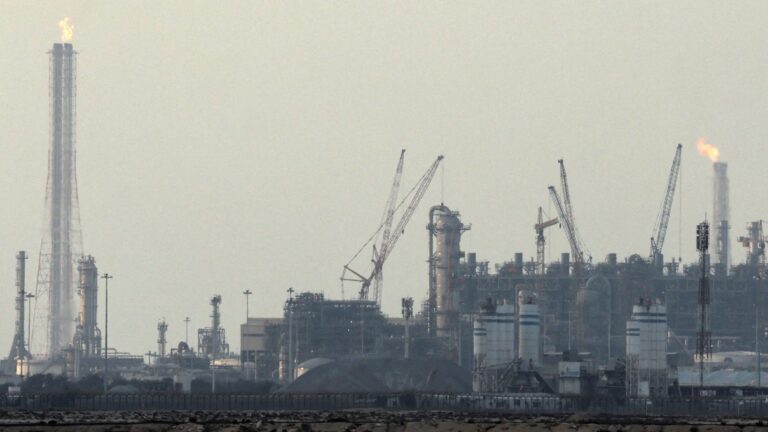


The Strait of Hormuz, a slender waterway separating the Persian Gulf from the Gulf of Oman, has long been characterized as the world’s most sensitive energy jugular, through which roughly one-fifth of the globe’s daily petroleum consumption flows. However, a more visceral and immediate threat is beginning to overshadow the concerns of energy markets: the vulnerability of the region’s food supply. As geopolitical tensions simmer between regional powers and international actors, the prospect of a maritime blockade or significant shipping disruption in this 21-mile-wide chokepoint is forcing a radical reassessment of food security across the Arabian Peninsula. For the nations of the Gulf Cooperation Council (GCC), the Strait is not merely a conduit for oil exports but the primary gateway for the caloric intake of millions.
The economic geography of the Middle East presents a unique paradox of immense wealth coupled with profound environmental scarcity. Countries such as Saudi Arabia, the United Arab Emirates (UAE), Qatar, Kuwait, and Bahrain possess some of the world’s highest per capita incomes, yet they remain among the most food-insecure in terms of domestic production. Due to hyper-arid climates, dwindling groundwater reserves, and a lack of arable land, these nations import between 80% and 90% of their total food requirements. This dependency makes them exceptionally sensitive to any friction in the maritime corridors that facilitate the arrival of grain, meat, and dairy from international markets.
While the Red Sea and the Bab al-Mandab Strait have dominated recent headlines due to the disruption of Suez Canal traffic, the Strait of Hormuz represents a more existential "dead end" for many Gulf ports. While the UAE and Saudi Arabia have developed pipelines and ports on their eastern and western coasts respectively to bypass certain chokepoints for oil, food imports are heavily concentrated in massive logistics hubs like Dubai’s Jebel Ali or Abu Dhabi’s Khalifa Port. A closure or a sustained period of instability in the Strait of Hormuz would effectively sever the primary supply line for these ports, leaving the region reliant on land routes and air freight—options that are either logistically insufficient or prohibitively expensive for bulk commodities.
The economic impact of a disruption would manifest first in the insurance markets. Maritime insurance is a critical component of global trade costs, and the Strait of Hormuz is frequently designated as a "Listed Area" by the Lloyd’s Market Association’s Joint War Committee. Any increase in perceived risk—whether from naval skirmishes, tanker seizures, or the deployment of sea mines—triggers an immediate spike in War Risk Premiums. For shipping companies transporting low-margin goods like wheat or corn, these added costs are almost instantaneously passed down to the consumer. In a region where food price inflation can become a catalyst for social unrest, as seen during the Arab Spring, the stabilization of these costs is a matter of national security rather than mere commerce.
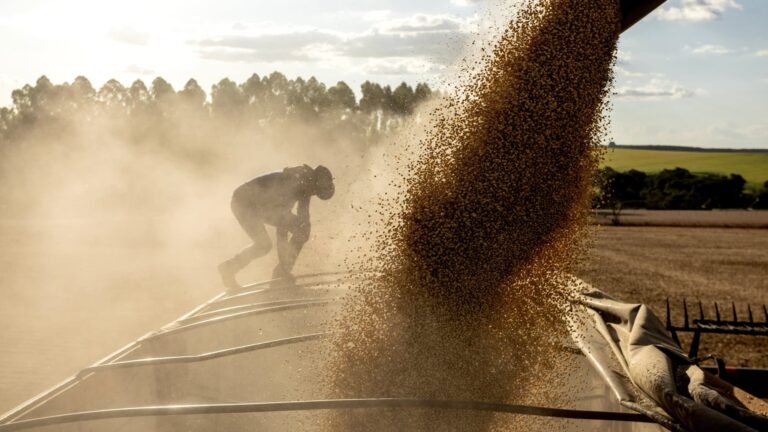
Data from the World Bank and the Food and Agriculture Organization (FAO) suggests that the GCC’s food import bill is projected to reach $53 billion annually by the end of the decade. A significant portion of this volume, particularly grains from the Black Sea region and livestock from Australia and East Africa, must transit through vulnerable maritime passages. If the Strait of Hormuz were to see a significant reduction in traffic, the sheer volume of tonnage required to feed the region could not be easily diverted. Land bridges, while increasingly discussed, remain in their infancy. A truck-based supply chain moving through the rugged terrain of the Arabian interior would struggle to match the capacity of a single Panamax-class grain carrier, which can hold 60,000 tons of cargo.
The geopolitical leverage inherent in the Strait of Hormuz is frequently utilized by Iran as a countermeasure against international sanctions and diplomatic pressure. The "Shadow War" at sea—marked by mysterious explosions on tankers and the detention of commercial vessels—serves as a constant reminder of the fragility of the status quo. For food importers, the risk is not just a total blockade, which would be an act of war, but "grey zone" tactics that increase the cost of doing business to the point of economic strangulation. Expert analysts suggest that even a 10% reduction in shipping efficiency through the Strait could lead to a 20-30% spike in local food prices within weeks, as panic buying and supply chain lag compound the initial shortage.
In response to these systemic vulnerabilities, regional governments have pivoted toward a strategy of "strategic depth." This involves a multi-pronged approach: massive domestic stockpiling, overseas agricultural investment, and the development of alternative logistics corridors. Saudi Arabia’s General Food Security Authority (GFSA) has significantly expanded its silo capacity, maintaining reserves of wheat and flour that can last for months. Similarly, the UAE has invested heavily in "agritech," utilizing vertical farming and hydroponics to produce leafy greens and berries locally. However, these technologies, while promising, cannot yet produce the caloric staples—wheat, rice, and soy—at the scale required to replace imports.
Furthermore, the Gulf states have aggressively pursued a policy of "farmland outsourcing," purchasing or leasing vast tracts of agricultural land in Sudan, Ethiopia, Pakistan, and Eastern Europe. The logic is to control the supply chain from the soil to the port. Yet, this strategy still relies on the ability to move that produce across the ocean and through the very chokepoints currently under threat. If a crop grown in Sudan for a Saudi investor cannot safely enter the Persian Gulf, the investment fails to provide the intended security.
This has led to a renewed focus on the "Land Bridge" concept—a rail and road network connecting the Port of Jebel Ali in the UAE and the Port of Haifa in Israel, or ports in Oman that sit outside the Strait of Hormuz. By offloading goods in the Port of Salalah or Duqm in Oman, which face the open Arabian Sea, and trucking them inland, the GCC could theoretically bypass the Strait of Hormuz entirely. However, the infrastructure for such a massive overland shift is not yet fully optimized for the volumes of food required to sustain a population of over 50 million people.
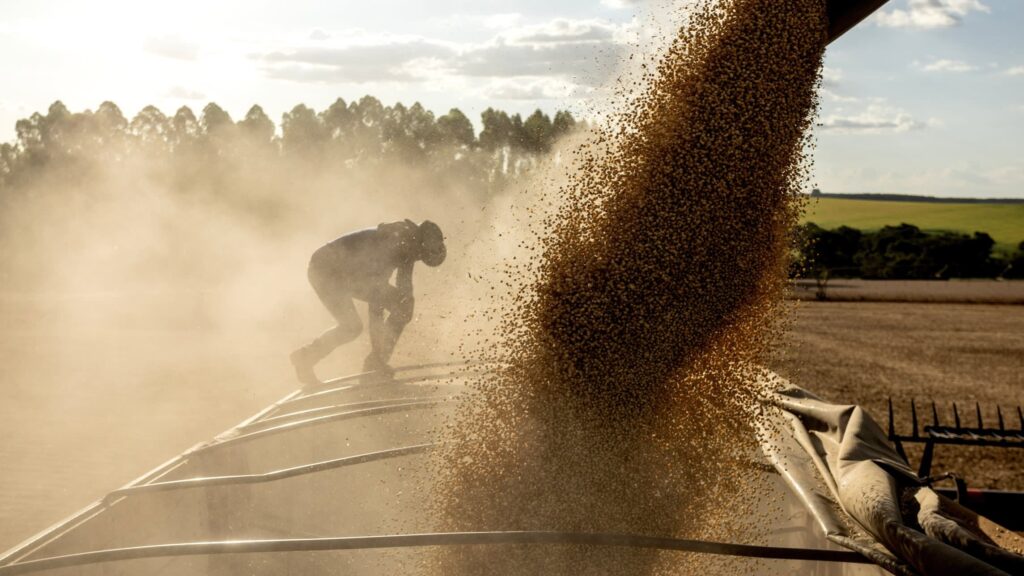
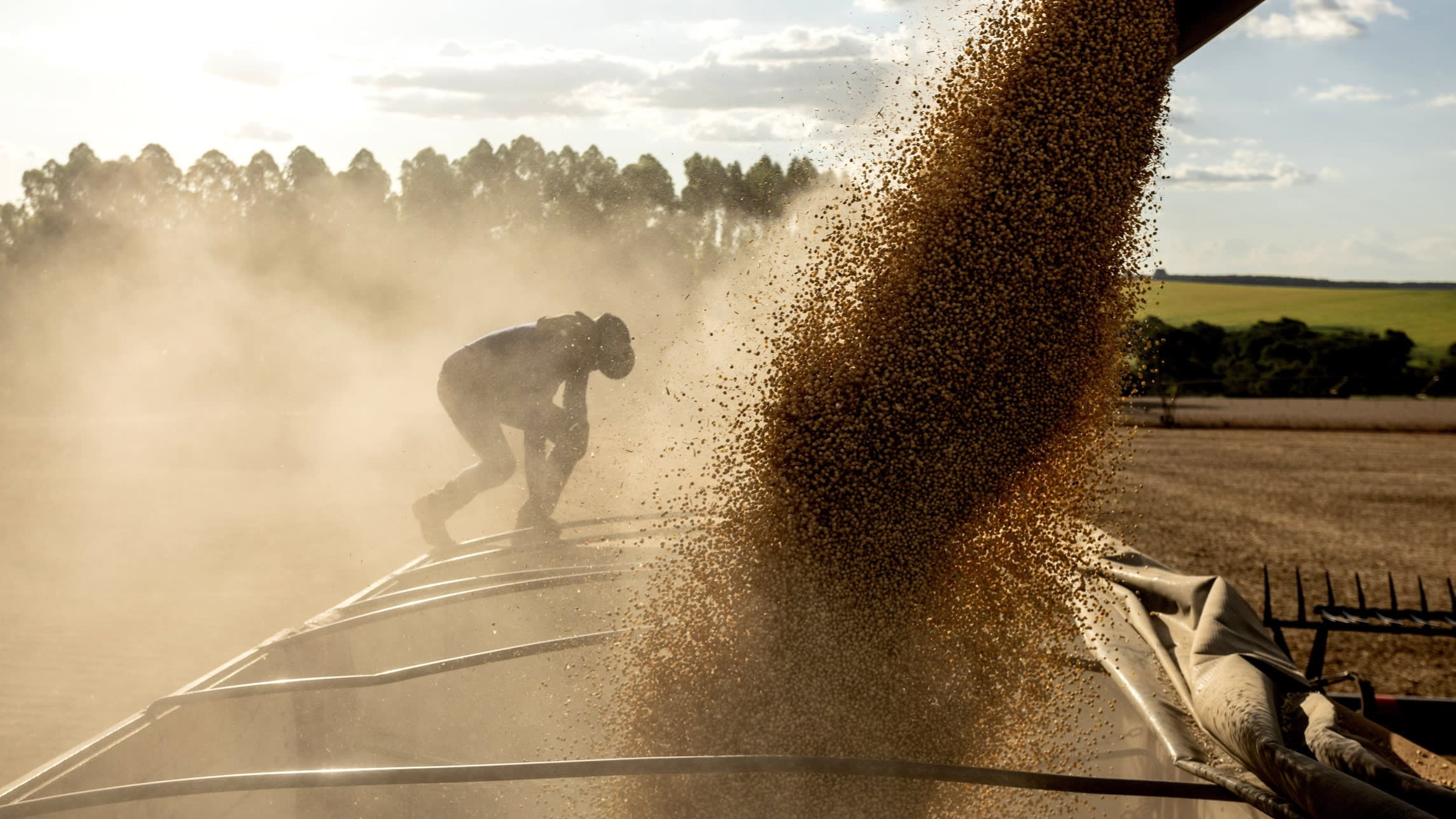
The global context adds another layer of complexity. The Middle East does not exist in a vacuum; it is a vital node in the "Global South" trade route. Disruptions in the Strait of Hormuz would ripple outward, affecting major food exporters like Brazil and the United States, who would see their access to a lucrative and growing market curtailed. Moreover, as China and India increase their presence in the region, the security of these shipping lanes becomes a point of contention among global superpowers. The protection of "freedom of navigation" is no longer just about the flow of oil to the West; it is about the stability of the global food trade.
Economists warn that the true danger lies in the "just-in-time" nature of modern logistics. Modern supply chains are designed for efficiency, not resilience. Most supermarkets in major Gulf cities hold only a few days’ worth of fresh inventory. A week-long closure of the Strait would lead to empty shelves, regardless of how much grain is stored in government silos. The psychological impact on the market would be immediate, leading to hoarding and a potential black market for essentials, which would further destabilize regional economies already grappling with the transition away from hydrocarbon dependence.
As the Middle East navigates this era of heightened volatility, the Strait of Hormuz remains the ultimate variable. The convergence of climate change, which limits domestic farming, and geopolitical friction, which threatens maritime trade, has created a "perfect storm" for food security. The transition from a "petro-state" mentality to a "food-secure" mentality requires not just wealth, but a fundamental redesign of regional cooperation and maritime protection. Without a de-escalation of tensions or a breakthrough in alternative logistics, the most important passage in the world will continue to be a source of profound anxiety for every dinner table in the Gulf. The battle for the Strait of Hormuz is no longer just about the power to light the world’s cities; it is about the fundamental necessity of feeding its people.