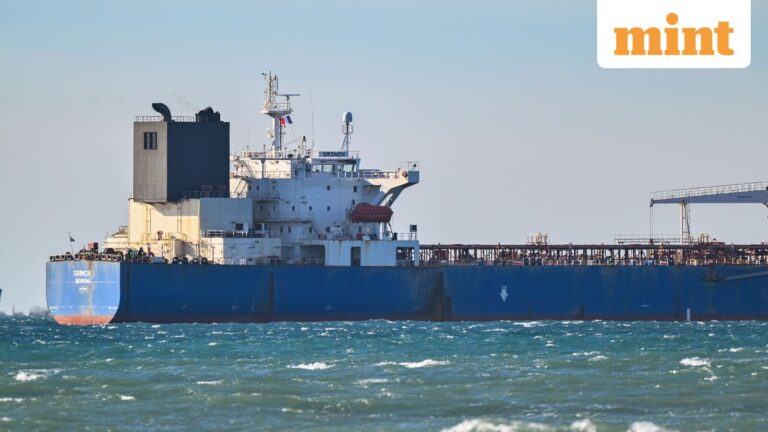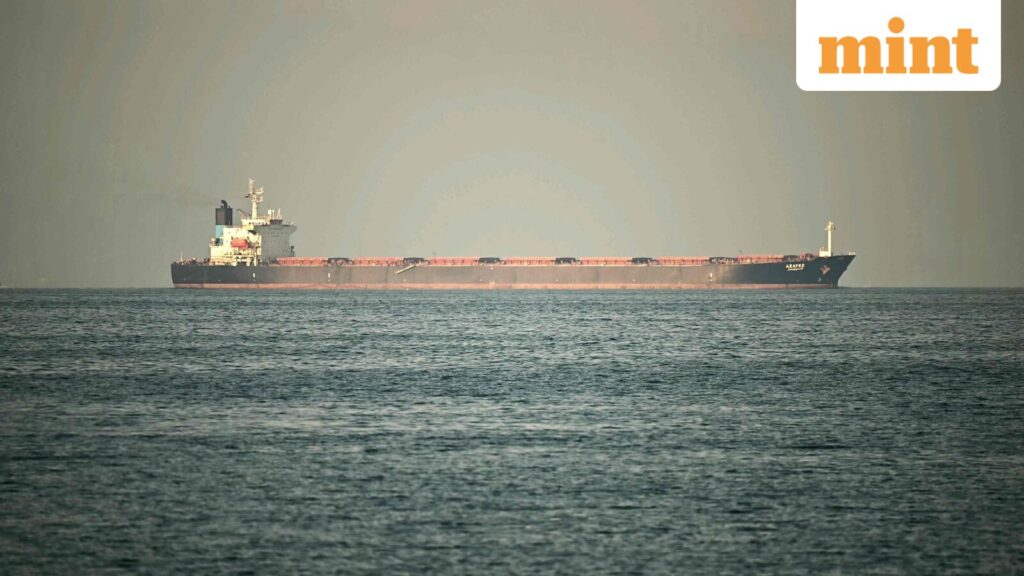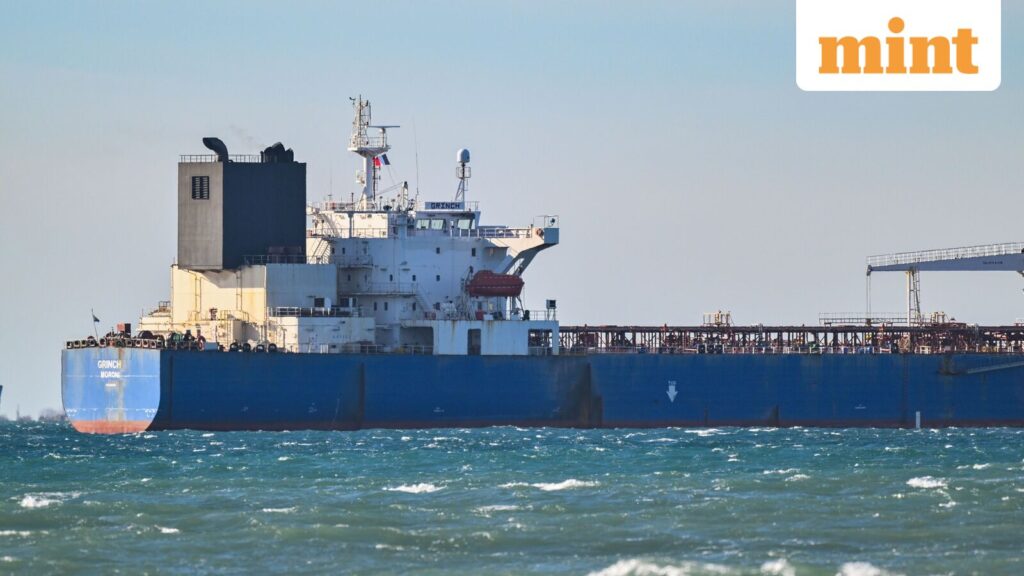



New Delhi’s energy procurement strategy has once again underscored its complex position in the global geopolitical landscape, as Indian refiners capitalize on a temporary US waiver to acquire Russian crude oil, including consignments previously impacted by international sanctions. This 30-day reprieve, announced by US Treasury Secretary Scott Bessent, allows for the purchase of Russian-origin crude loaded onto vessels on or before March 5, 2026, offering crucial flexibility to a nation highly dependent on imported hydrocarbons amid escalating tensions in key supply regions. The move highlights the delicate balance major economies must strike between geopolitical alignments and the imperative of ensuring national energy security.
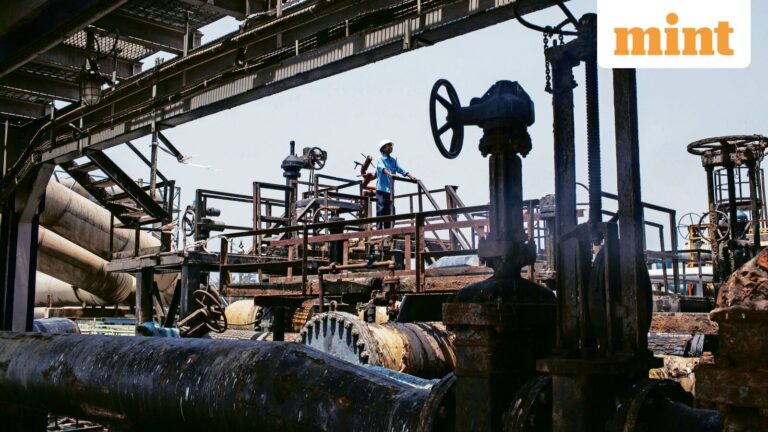
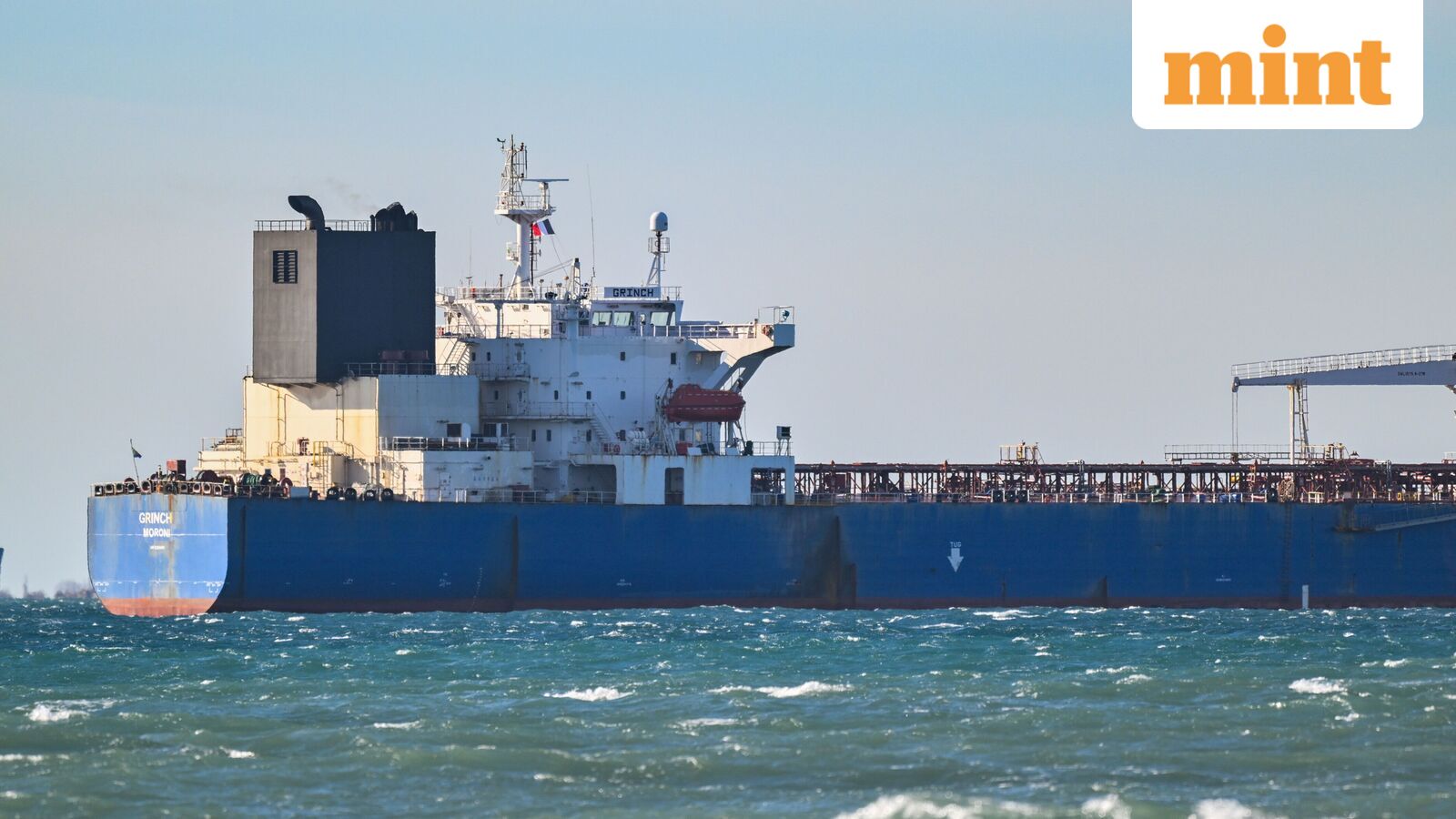
Since 2022, Russia has emerged as India’s foremost oil supplier, a dramatic shift from its historically negligible share, primarily driven by the availability of significantly discounted crude following the full-scale invasion of Ukraine and subsequent Western sanctions. This strategic realignment provided Indian refiners with an economic advantage, allowing them to secure feedstock at lower prices than benchmark Brent crude, even as other traditional buyers in Europe and North America largely abstained. However, the introduction of the G7 price cap mechanism and more stringent sanctions on specific Russian entities like Rosneft and LUKOIL in December complicated these transactions, leading to a temporary decline in supplies as logistics and financial channels faced heightened scrutiny. The latest waiver specifically addresses "stranded" oil, crude that had been loaded but faced difficulties in finding buyers or securing compliant shipping and insurance due to the evolving sanctions regime.
The US decision to grant this waiver reflects a nuanced understanding of global energy markets and the critical role India plays in maintaining stability. With crude oil prices showing upward pressure, partly due to persistent geopolitical risks in the Middle East and disruptions to shipping routes like the Strait of Hormuz, Washington aims to prevent further volatility. Secretary Bessent explicitly linked the stop-gap measure to alleviating market pressure stemming from regional aggressions, simultaneously reiterating India’s status as an "essential partner" and expressing expectations for New Delhi to increase its procurement of American oil. This dual approach underscores the US’s desire to manage global energy prices while also strengthening bilateral trade ties and influencing India’s long-term energy diversification away from potentially destabilizing sources.
India’s energy landscape is uniquely susceptible to global shocks. As the world’s third-largest oil consumer and fourth-largest refiner, with a substantial capacity of approximately 268 million metric tonnes per annum, its economic stability is inextricably linked to stable and affordable energy supplies. The nation’s import bill is highly sensitive to price fluctuations; a mere $1 per barrel increase in crude oil prices sustained over a year can inflate India’s import expenditure by an estimated ₹16,000 crore (approximately $1.9 billion). This vulnerability necessitates a pragmatic and multi-faceted procurement strategy that prioritizes national interests above purely ideological stances. Data from global ship tracking firms like Kpler illustrates this, showing Russia supplied an average of 1.04 million barrels of oil per day (bpd) to India in February, closely followed by Saudi Arabia (1 million bpd) and Iraq (980,000 bpd), demonstrating a continued, albeit fluctuating, reliance on diverse sources.
Beyond crude oil, India faces significant challenges in securing its liquefied petroleum gas (LPG) needs. The country is one of the largest LPG importers globally, with annual demand standing at approximately 33.15 million tonnes. Imports service a substantial 75-80% of this demand, traditionally sourced heavily from West Asian nations such as Saudi Arabia, Qatar, and the UAE. The current geopolitical instability in the region, particularly concerns around the Strait of Hormuz, poses a direct threat to these supply lines, potentially tightening availability and driving up costs. India’s LPG import bill reached $12.47 billion in the previous fiscal year, with current fiscal year figures already touching $11.25 billion by January, highlighting the immense financial outlay required to meet domestic consumption.
The ripple effects of global supply crunch and rising international benchmarks, such as the Saudi Contract Price (CP), are directly impacting Indian households. The Saudi CP, a key determinant for India’s imported LPG costs, surged from $415 per metric tonne in 2020-21 to $712 per metric tonne in 2022-23. In response to these pressures, domestic cooking gas prices saw a notable increase of ₹60 per 14.2-kg cylinder in Delhi, marking the second such hike in less than a year. This pushes the cost of a non-subsidized cylinder to ₹913. While the government maintains a significant subsidy of ₹300 per cylinder for beneficiaries of the Pradhan Mantri Ujjwala Yojana – a flagship scheme providing clean cooking fuel to over 100 million low-income households – the overall price escalation adds to the financial burden on consumers. Officials estimate that even with subsidies, the increase translates to an additional 80 paise per day for an average household, underscoring the granular impact of global energy markets on daily lives.
To mitigate the current LPG shortage and buffer against future disruptions, the Indian government has initiated a multi-pronged strategy. This includes directing all state-run and private-sector refineries to maximize domestic cooking gas production by reallocating feedstock away from non-essential products like petrochemicals. Utilizing powers under the Essential Commodities Act, 1955, the Ministry of Petroleum and Natural Gas has mandated that all refiners supply LPG to the three state-owned marketing companies—Indian Oil Corp Ltd, Bharat Petroleum Corp Ltd, and Hindustan Petroleum Corp Ltd—for exclusive distribution to domestic consumers. Simultaneously, India is diversifying its import sources, notably scaling up LPG imports from the United States. This strategic pivot began in January with the first major contracted volumes, expected to cover approximately 10% of India’s total LPG import requirements, signifying a conscious effort to build supply chain resilience. Despite these measures, India’s current LPG stock position is precariously low, estimated at only about 25 days of consumption, highlighting the urgency of these diversification and production enhancement efforts.
The broader economic implications of sustained high energy prices for India are considerable. Inflationary pressures, particularly core inflation, are closely watched by the Reserve Bank of India, as rising fuel costs feed into transportation, manufacturing, and ultimately, consumer goods prices. A higher import bill exacerbates the current account deficit, potentially weakening the rupee and making future imports even more expensive. This creates a challenging environment for macroeconomic stability, necessitating careful fiscal management and strategic energy diplomacy. For India, navigating the intricacies of global energy politics – balancing its relationship with Russia, engaging constructively with the US, and securing diverse, reliable supplies – is not merely an economic necessity but a fundamental pillar of its national security and development agenda. The temporary US waiver on Russian oil serves as a stark reminder of these complex interdependencies and the continuous high-wire act India performs to fuel its rapidly growing economy and meet the aspirations of its vast population.