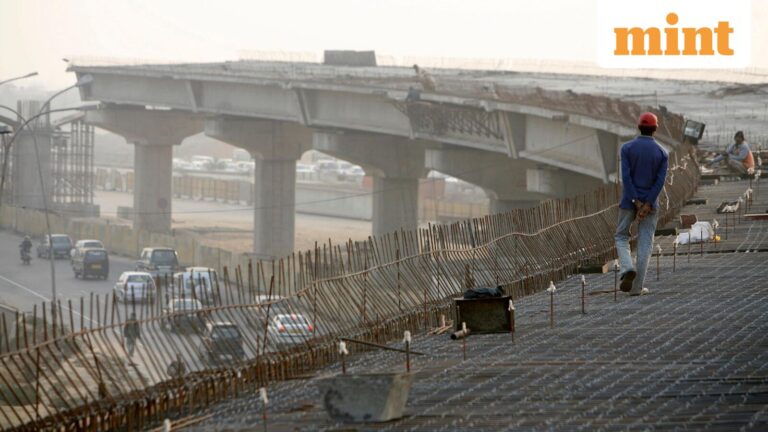



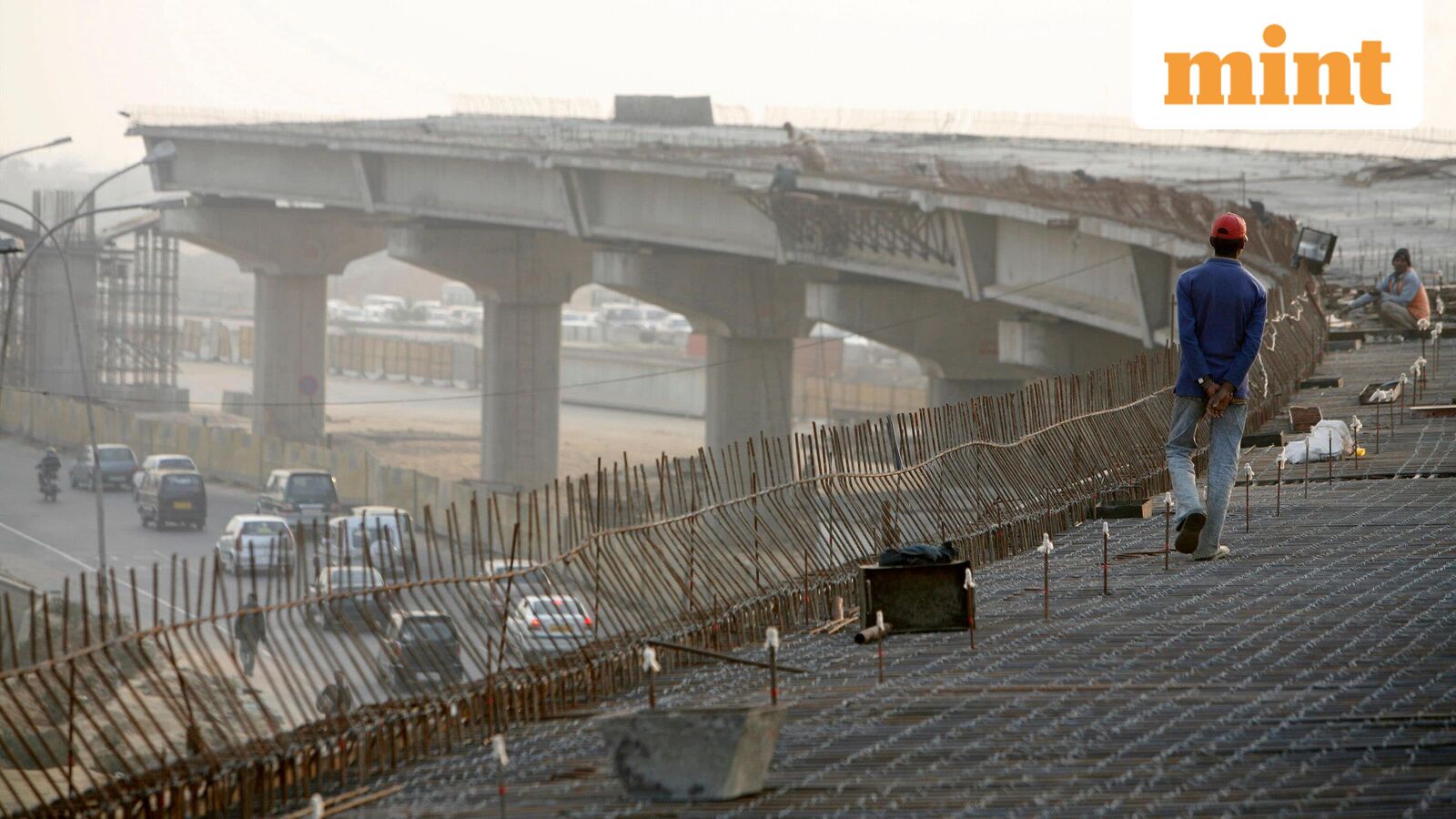
India’s ambitious infrastructure agenda is poised for a significant uplift, with private investors projected to commit an unprecedented ₹1 trillion towards highway construction in the fiscal year 2027. This potential infusion marks the largest annual private sector investment ever recorded in the nation’s vital roads sector, signaling a strategic and robust re-engagement of private capital after a period of tempered activity under the Build-Operate-Transfer (BOT) model. The surge reflects a concerted government effort to crowd in private funding, thereby accelerating the expansion and modernization of the country’s extensive road network, which is crucial for economic growth and global competitiveness.
The substantial commitment is expected to materialize through a structured pipeline of projects. Approximately ₹35,000 crore worth of projects, exclusively earmarked for private participation under the BOT (toll) framework, are slated for bidding within the first quarter of FY27. This initial tranche will be followed by a larger wave, with detailed project reports (DPRs) for an additional ₹50,000-60,000 crore worth of projects currently being finalized, anticipated to open for bidding in the third and fourth quarters of the fiscal year. These initiatives collectively underscore a decisive pivot back towards private-led highway development, a model that, despite its past challenges, remains fundamental to achieving India’s aspirational infrastructure targets.
The renewed emphasis on the BOT (toll) model represents a strategic recalibration in India’s infrastructure financing landscape. Under this framework, private developers undertake the responsibility of financing, constructing, operating, and maintaining highway projects for a predetermined concession period, typically spanning 20 to 30 years. Their investment is recouped through direct toll collections from users, exposing them to traffic and revenue risks. This model contrasts sharply with the Hybrid Annuity Model (HAM), where the government covers a significant portion (typically 40%) of the project cost during construction and provides annuity payments to the developer, thereby mitigating traffic risk. It also differs from the Engineering, Procurement, and Construction (EPC) model, where the government fully funds the project and pays contractors for construction. The shift back to BOT (toll) indicates a growing confidence among private players in India’s economic trajectory and the government’s commitment to creating a more predictable operating environment.
Several factors are contributing to this resurgence of private sector confidence. Macroeconomic stability, characterized by sustained GDP growth rates (projected at around 6.5-7% for FY27), declining inflation, and a relatively stable policy environment, has made long-term infrastructure investments more attractive. Furthermore, the government has proactively addressed historical impediments by introducing investor-friendly measures within the revised Model Concession Agreement (MCA) for BOT (toll) projects. While specific details of these revisions are often subject to ongoing refinement, they typically aim to enhance risk-sharing mechanisms, streamline land acquisition processes, improve dispute resolution frameworks, and provide clearer guidelines for traffic projection and revenue sharing. These reforms are critical in de-risking projects and making them more palatable for private equity and institutional investors.
Technological advancements have also played a pivotal role in strengthening the viability of BOT (toll) projects. The widespread adoption of FASTag, India’s electronic toll collection system, with penetration exceeding 95%, has significantly improved revenue visibility and collection efficiency. This transparency provides developers and financial institutions with more reliable data for traffic forecasting and revenue projections, thereby reducing investment uncertainties. For companies like IRB Infrastructure Developers Ltd., a key player in the sector, these improved fundamentals and stable policy frameworks are translating into attractive risk-adjusted return opportunities, making viable BOT (toll) assets highly sought after.

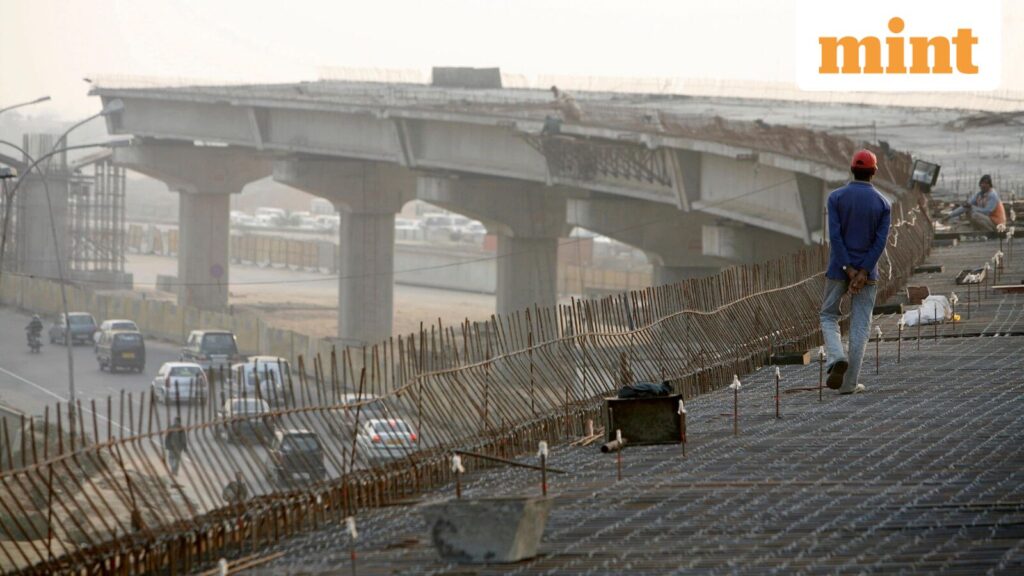
The upcoming projects are predominantly focused on six-lane, access-controlled greenfield corridors. This strategic emphasis on high-capacity highways is integral to India’s broader vision of enhancing logistics efficiency, reducing travel times, and ultimately lowering the overall cost of logistics, which currently stands at an estimated 13-14% of GDP – significantly higher than the global average of 8-10%. Improved connectivity through these corridors is expected to unlock substantial economic benefits, stimulating industrial growth, facilitating agricultural supply chains, boosting tourism, and fostering regional development. Each unit of investment in infrastructure is often estimated to generate a multiplier effect of 2-3 times in overall economic activity, making these highway projects potent engines for job creation and GDP growth.
Despite the renewed optimism, experts highlight critical factors for sustained success. Kuljit Singh, National Infrastructure Leader at EY India, points out that BOT projects demand significantly higher upfront equity from developers—almost double that required for HAM projects—and expose them to substantial toll and traffic risks, especially given the proliferation of new highways. To ensure robust bidding interest and successful project allocation, Singh suggests that the government consider removing the cap on grant support sought as part of bids. This flexibility could help secure bids for projects deemed higher risk by developers, even if it entails a larger initial government contribution. Similarly, Anurag Gupta, Partner at Deloitte India, emphasizes that while investor interest remains vibrant, success hinges on ensuring construction readiness, optimal risk-sharing frameworks, and robust dispute resolution mechanisms. These operational and contractual safeguards are paramount to maintaining investor confidence and project momentum.
Historically, the BOT model dominated India’s highway development landscape between 2007 and 2014, peaking at 96% of all road awards in FY2011-12. However, this period was followed by a sharp decline due to aggressive bidding, delays in land acquisition, and mounting financing stress, which eroded investor appetite. Consequently, no projects were awarded under the BOT model in FY2018-19 and FY2019-20, and awards remained sporadic thereafter, with no BOT projects awarded by the National Highways Authority of India (NHAI) in FY24 and FY25. The current expanded pipeline for FY27, therefore, represents a pivotal moment, potentially marking a decisive shift back to private-led highway development, underpinned by a more refined risk allocation framework and a deeper capital market appetite for long-term infrastructure assets.
The government’s strategic rationale behind this push for private capital is multifaceted. For FY27, the Ministry of Road Transport and Highways (MoRTH) has been allocated a record budgetary capital expenditure of ₹2.94 trillion (Budget Estimates), up from ₹2.72 trillion (Revised Estimates) in FY26. While this substantial public outlay supports the overall infrastructure drive, the government aims to channel a larger share of these budgetary resources towards critical areas such as maintenance, safety upgrades of existing highways, and crucial land acquisition. By leveraging private capital for greenfield construction, the government can optimize its financial resources, ensuring that public funds are directed where they are most needed and can generate maximum social returns. Furthermore, greater private participation can help alleviate the debt burden on public entities like the National Highways Authority of India (NHAI), which stood at ₹2.16 trillion as of January 31, 2026. Reducing this debt provides fiscal headroom and enhances the financial health of key infrastructure agencies.
Looking ahead, the projected total highway awards for FY27 are expected to cross 10,000 km, with a significant proportion anticipated under the BOT model, contrasting sharply with the 1,951 km awarded through November in FY26. The overall project value to be awarded in FY27 could potentially reach ₹3-4 trillion, indicating a robust pipeline that will significantly bolster India’s infrastructure network. This strategic realignment, combining substantial public investment with a revitalized private sector participation, positions India to not only meet its ambitious connectivity goals but also to establish a sustainable model for future infrastructure development, crucial for its aspirations of becoming a major global economic power. The successful execution of this BOT pipeline will be a testament to India’s evolving policy landscape and its commitment to fostering an environment where private enterprise can thrive in nation-building endeavors.