

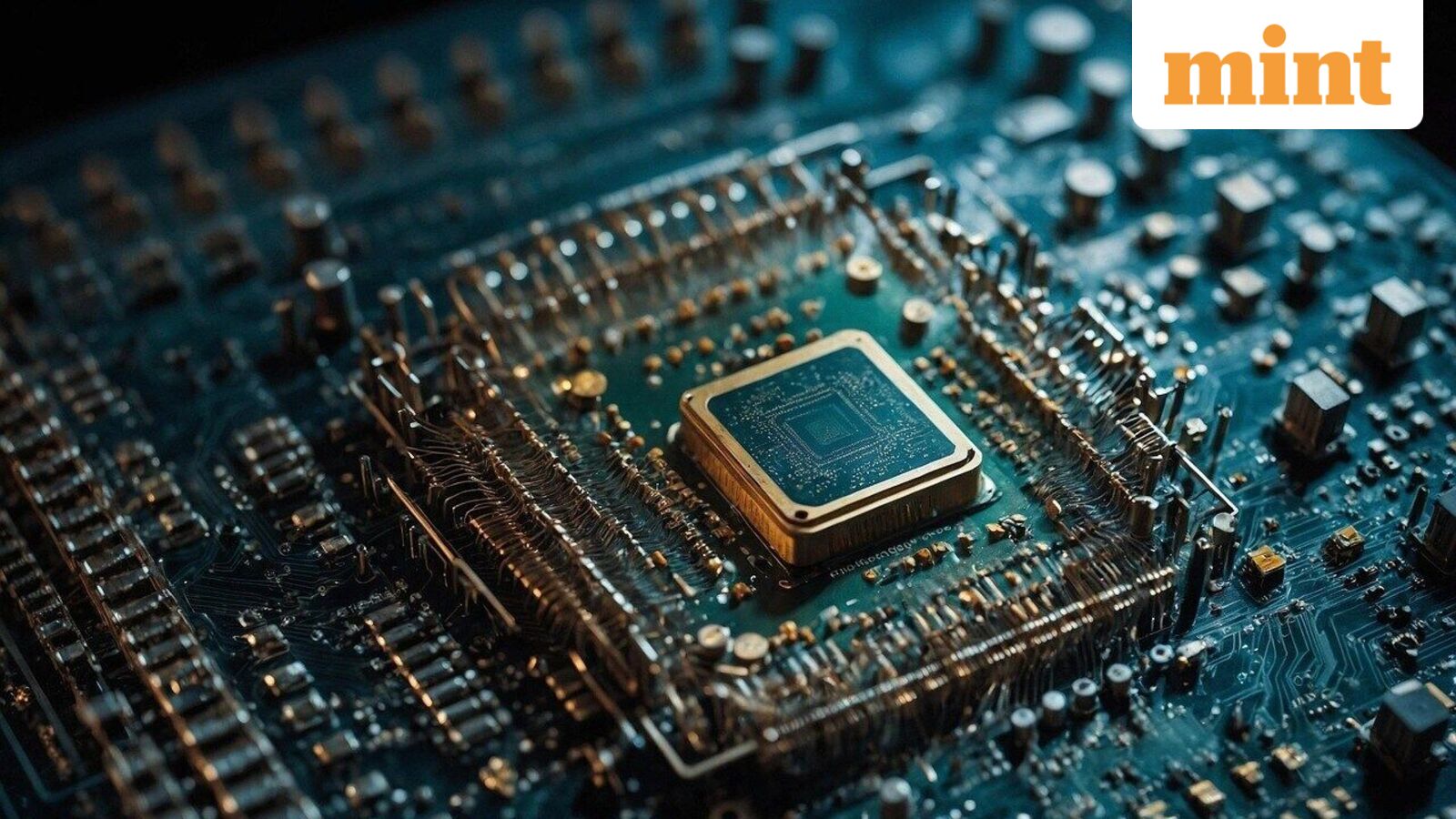
India is embarking on an ambitious strategic endeavor to establish comprehensive independence in the design and production of advanced microchips, a cornerstone of modern technological prowess and economic sovereignty. This audacious vision, spearheaded by institutions like Niti Aayog, extends beyond mere assembly to encompass the entire value chain, from foundational intellectual property to sophisticated manufacturing, with a particular focus on harnessing and nurturing indigenous talent currently contributing to global multinational corporations (MNCs). The imperative for this strategic shift is underscored by the volatile geopolitical landscape, increasing supply chain vulnerabilities, and the undeniable role of semiconductors as critical enablers across defence, clean energy, and information technology sectors.
A persistent paradox defines India’s current position in the global semiconductor arena: its vast pool of engineering talent is instrumental in virtually every chip produced worldwide, yet this contribution largely occurs within the confines of foreign-owned MNCs. Indian designers frequently excel in crafting sub-systems, specific components, or validating existing designs, but opportunities for ab initio full-system design, which involves conceptualizing and architecting an entire chip from the ground up, have historically been limited within India. This creates a significant intellectual and economic leakage, where indigenous innovation capability is developed and deployed primarily for external entities. The government’s current strategy, articulated by Niti Aayog member Vijay Kumar Saraswat, aims to reverse this trend by actively attracting these highly skilled Indian professionals back into a burgeoning domestic ecosystem, enabling them to build complete, independent chip designs for Indian enterprises. This repatriation and redirection of expertise are central to bridging the advanced design gap and fostering a truly self-reliant semiconductor industry.
The operational framework for this monumental undertaking is the India Semiconductor Mission (ISM), with its second phase, unveiled in the Union Budget 2026, marking a significant escalation of intent and investment. The initial ISM, launched with a substantial outlay of ₹76,000 crore (approximately $9.2 billion), laid the groundwork for attracting investment in fabrication units, design-linked incentives, and research. Phase 2 broadens this scope dramatically, targeting not only design but also the crucial elements of equipment, materials, intellectual property rights, and the fortification of the entire supply chain. Finance Minister Nirmala Sitharaman’s announcement of a second tranche of incentives reflects a long-term commitment, acknowledging that building a robust semiconductor ecosystem is a multi-decade endeavor requiring sustained financial backing and policy stability. This comprehensive "all-hands-on-the-deck" approach, as described by industry experts like Vinod Sharma of the Confederation of Indian Industry, integrates collaboration across capital goods, materials, design, fabrication, and packaging industries, alongside academic institutions, skilling initiatives, and market segments, ensuring a cohesive and synergistic growth trajectory.
Beyond the intricate world of silicon, India’s quest for technological independence extends to the foundational raw materials: critical minerals. These elements, including lithium, rare earths, cobalt, and graphite, are indispensable for everything from electric vehicle batteries and renewable energy systems to advanced electronics and defence applications. The global supply chain for many of these minerals is highly concentrated, often dominated by a few nations, posing significant geopolitical risks of supply denial. India’s strategy is two-pronged: first, to explore and, where feasible, extract domestically available critical minerals, even if their resource intensity makes extraction costlier. This is viewed as a strategic imperative to mitigate future vulnerabilities, prioritizing national security over immediate economic efficiency. Second, India is actively seeking to acquire critical mineral mines overseas, particularly in countries with which it has free trade agreements (FTAs) or strong bilateral ties. While FTAs do not directly govern mine acquisition, they foster stronger diplomatic relations and facilitate an environment conducive to government-to-government (G2G) deals. Nations rich in these resources, such as Canada and Australia for rare earths and lithium, become prime targets for such strategic partnerships, ensuring a diversified and secure supply base for India’s burgeoning high-tech sectors.

The rapid scaling of India’s semiconductor ambitions, however, presents substantial challenges, particularly concerning human capital. While India boasts a vast pool of design engineers, the talent pipeline with direct experience in semiconductor fabrication (fabs) or Assembly, Testing, Marking, and Packaging (ATMP) remains critically limited. Global demand for these highly specialized skills is already intense, and traditional educational models often struggle to keep pace with the swift evolution of semiconductor technologies, where tools, processes, and standards undergo significant transformations every few years. As Nipun Sharma, CEO of TeamLease Degree Apprenticeship, points out, many semiconductor companies are currently sourcing talent from adjacent industries like electronics manufacturing services or automotive electronics. While this "talent mobility" enables faster short-term scaling, it highlights an urgent need to cultivate a sustainable, dedicated domestic talent pipeline through experiential, work-integrated learning models and specialized apprenticeship programs. This structural investment in education and skill development is paramount to avoid merely reshuffling existing expertise and instead foster net creation of specialized talent.
The broader canvas of India’s strategic autonomy also encompasses energy security and defence capabilities. Under the Sustainable Harnessing and Advancement of Nuclear Energy for Transforming India (Shanti) Act of 2025, the private sector is now empowered to install captive small nuclear power plants. This landmark legislation aims to meet India’s escalating energy demands, provide clean power for heavy industries (like steel, aluminum, and refining), and accelerate decarbonization efforts. The Department of Atomic Energy is actively developing designs for 220MW and 55MW Small Modular Reactors (SMRs), which offer advantages in scalability, reduced upfront capital costs, and enhanced safety features. While private companies can collaborate with foreign partners or leverage indigenous Bhabha Atomic Research Centre (BARC) technologies, governmental oversight remains stringent, particularly regarding uranium import, fuel and waste management, and regulatory approvals from the Atomic Energy Regulatory Board. This move signifies a pragmatic approach to energy security, balancing private sector innovation with robust governmental control over strategic assets.
Concurrently, India has significantly amplified its focus on promoting defence equipment manufacturing within the private sector over the past five to seven years. This push, aligned with the broader "Make in India" initiative, has fostered the establishment of numerous aerospace and defence companies and the development of dedicated defence corridors. Private entities are increasingly involved in major combat aircraft development programs and other critical defence projects, moving beyond component supply to integrated system manufacturing. This growth of the private sector is projected to substantially boost indigenous production, thereby reducing India’s historical reliance on costly and strategically vulnerable defence imports. It represents a critical pillar in India’s overall strategy for strategic autonomy, ensuring that key national security capabilities are underpinned by a robust domestic industrial base.
Ultimately, India’s pursuit of self-reliance, as elucidated by Saraswat, does not equate to autarky or producing everything domestically. Instead, it is a nuanced strategy centered on achieving independence from external controls in areas deemed critical for national security and economic growth. Where items are freely available globally, production is not economical domestically, and no export controls exist, India will continue to import. However, in sectors like advanced semiconductors, critical minerals, nuclear energy, and defence—where supply disruptions or export restrictions can have severe strategic ramifications—India is committed to establishing indigenous production capabilities, even if the initial costs are higher. This strategic resilience, built upon a foundation of domestic talent, comprehensive policy support, diversified resource acquisition, and a pragmatic approach to critical infrastructure, positions India to evolve from a major consumer of global technology to a significant contributor and, crucially, a sovereign architect of its digital future. The journey is long and complex, but the strategic imperative is clear: to ensure India’s place as a technologically independent power in the 21st century.