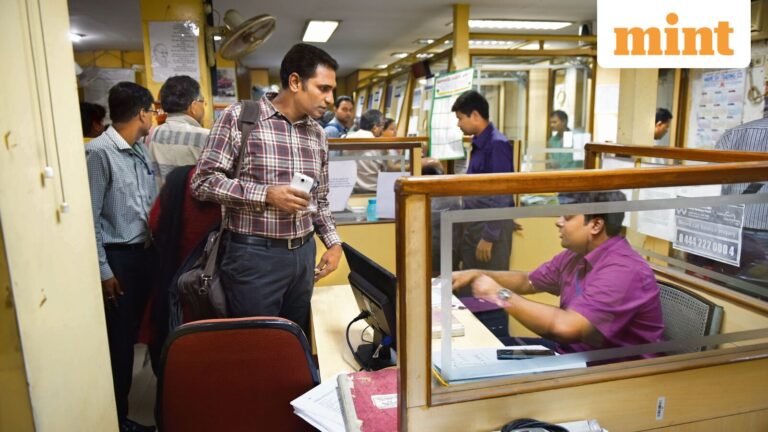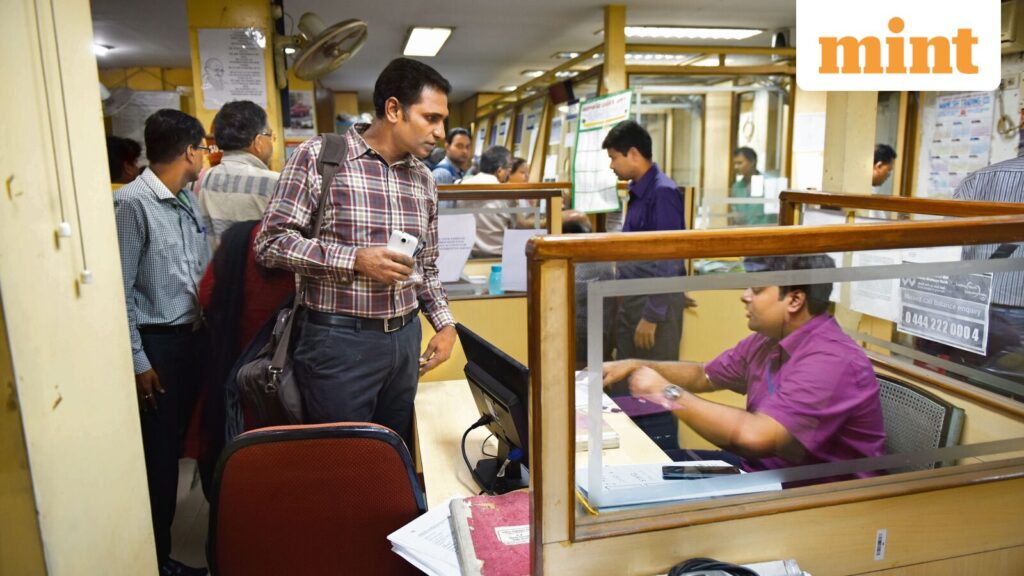



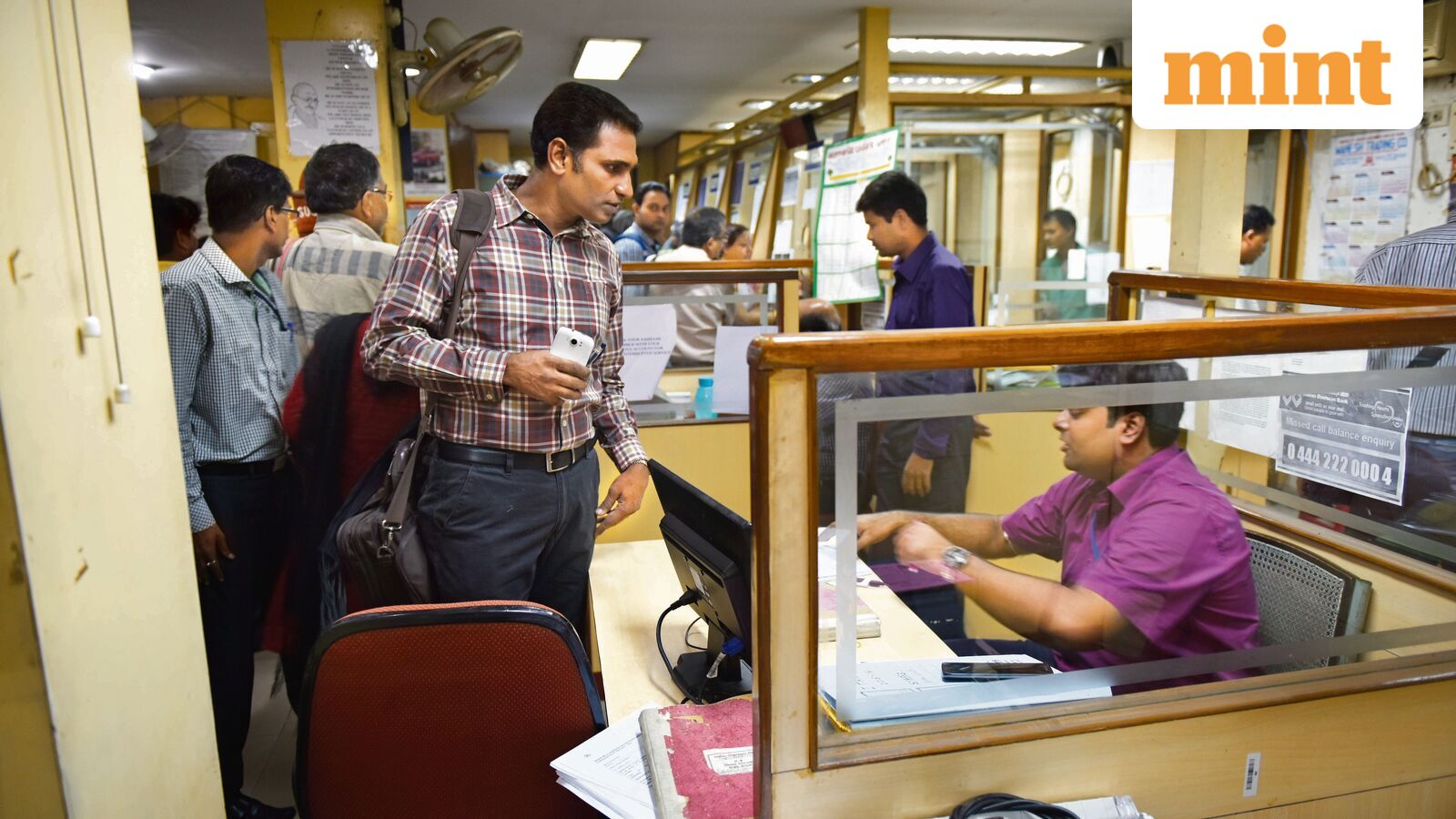
As the financial calendar turned to March 14, marking the second Saturday of the month, banks across India observed a nationwide holiday, a recurring feature mandated by the Reserve Bank of India (RBI). This closure, affecting all public and private sector lenders from the State Bank of India to HDFC Bank and ICICI Bank, is not merely an isolated event but a systemic component of India’s banking framework, carrying implications for businesses, consumers, and the broader economy. While physical branches remained shuttered, the underlying pulse of the financial system continued largely uninterrupted, a testament to the nation’s rapid embrace of digital banking solutions that have fundamentally reshaped transactional landscapes.
The institutionalization of bank holidays on the second and fourth Saturdays each month dates back to a 2015 agreement between the Indian Banks’ Association (IBA) and bank employee unions. This move was a significant shift from a traditional six-day work week, aiming to improve work-life balance for banking professionals while ensuring that critical financial operations could still be conducted on other Saturdays. The RBI, leveraging its powers under the Negotiable Instruments Act of 1881, officially notifies these closures, alongside other public holidays, thereby providing a clear regulatory framework for the financial sector. This unique structure, complementing the standard Sunday weekly off, differentiates India’s banking calendar from many global counterparts where weekend closures are often universally observed, or only specific public holidays affect banking operations.
The economic ramifications of such closures, particularly for a burgeoning economy like India, are multifaceted. For small and medium-sized enterprises (SMEs) and businesses heavily reliant on cash transactions or physical document processing, a bank holiday can introduce minor operational friction. Logistics companies, wholesale traders, and certain segments of the retail sector, for instance, might experience delays in cash deposits, cheque clearances, or the initiation of new credit facilities that require in-person interaction. Historically, such holidays could significantly slow down payment cycles and interbank settlements. However, the paradigm shift towards digital payment infrastructure has substantially mitigated these traditional challenges.
India’s digital payment ecosystem, championed by the Unified Payments Interface (UPI), has emerged as a formidable counterweight to physical banking closures. On a typical bank holiday, millions of Indians continue to conduct transactions seamlessly through UPI, which clocked over 130 billion transactions in 2024, representing a monumental leap in digital adoption. Beyond UPI, other critical digital channels such as Immediate Payment Service (IMPS), National Electronic Funds Transfer (NEFT), and Real-Time Gross Settlement (RTGS) operate 24×7, 365 days a year. This round-the-clock availability ensures that essential services like money transfers, bill payments, and online loan applications remain accessible, effectively decoupling transaction processing from the physical presence of bank branches. This digital resilience is a strategic imperative for the RBI, which has consistently pushed for a less-cash economy and greater financial inclusion through technology.

The strategic push for digital payments has also been crucial for financial inclusion, bridging geographical divides where physical bank branches might be sparse. Rural populations, increasingly equipped with smartphones and internet access, are now less dependent on traveling to district headquarters for basic banking needs. While challenges persist in digital literacy and consistent internet connectivity in remote areas, the general trend indicates a sustained migration towards digital platforms. This transformation is not just about convenience but also about fostering economic efficiency, reducing transaction costs, and integrating more informal sectors into the formal financial system.
Looking beyond the general Saturday closures, the March 2026 calendar further illustrates the complex tapestry of India’s holiday system. The month includes several significant observances that necessitate additional bank closures, often varying by region. These include Shab-I-Qadr, Gudhi Padwa/Ugadi Festival/Telugu New Year’s Day/Sajibu Nongmapanba (Cheiraoba)/1st Navratra, Eid-Ul-Fitr (Ramzan)/Jumat-ul-Vida, Ramzan-Id (Id-Ul-Fitr) (Shawal-1)/Khutub-E-Ramzan/Sarhul, Shree Ram Navami (on two separate days due to regional variations), and Mahavir Janmakalyanak/Mahavir Jayanti. This array of cultural and religious holidays, many of which are state-specific, means that while some financial operations are universally affected, others might only see localized disruptions. For businesses operating nationwide, navigating this intricate holiday schedule requires sophisticated planning, often relying heavily on digital platforms for continuity.
Globally, the approach to banking hours and holidays varies significantly. In many Western economies, such as the United States and the United Kingdom, bank holidays typically align with national public holidays, with weekend closures being standard. However, the depth and breadth of 24/7 digital services, including instant payment systems like FedNow in the US or Faster Payments in the UK, are increasingly matching India’s digital prowess. In contrast, some East Asian economies, like Japan, maintain a more traditional banking structure with limited weekend services, though digital transformation is accelerating there too. India’s model, balancing a regulated physical closure schedule with a hyper-active digital ecosystem, positions it uniquely among major global economies, reflecting both its diverse cultural heritage and its aggressive digital growth strategy.
Financial analysts often highlight the delicate balance the RBI and the government must strike: ensuring adequate rest and welfare for banking employees while maintaining the uninterrupted flow of economic activity. The success of India’s digital payment infrastructure has largely allowed this balance to be struck effectively. The sheer volume and value of digital transactions processed daily, even on holidays, underscore a systemic shift where the "branch" is increasingly a digital interface rather than a physical building. This evolution also presents new challenges, particularly in cybersecurity, ensuring robust fraud detection mechanisms, and continuously upgrading digital infrastructure to handle ever-increasing loads.
In conclusion, the observance of bank holidays in India, such as the second Saturday of March, serves as a poignant reminder of the evolving landscape of global finance. What once posed significant logistical hurdles for commerce has largely been absorbed and mitigated by the nation’s robust digital payment architecture. The RBI’s forward-looking policies, coupled with widespread digital adoption, have transformed these closures from potential disruptions into mere pauses for physical branch operations, while the underlying economic engine continues to hum digitally. As India progresses, the emphasis will remain on further enhancing digital security, expanding digital literacy to ensure universal access, and continually adapting regulatory frameworks to support an increasingly borderless and always-on financial ecosystem, blurring the lines between working days and holidays in the digital realm.