


New Delhi has initiated a pivotal regulatory update for the nation’s automotive sector, implementing revised standards for piston rings—a critical component within internal combustion engines (ICE)—marking the first such overhaul in nearly five decades. Effective from February 10, these new specifications, superseding those from 1977, underscore India’s commitment to aligning its vast automobile market with stringent global benchmarks for efficiency, performance, and environmental sustainability. The move, enacted by the Bureau of Indian Standards (BIS), is expected to have far-reaching implications across the automotive supply chain, from major original equipment manufacturers (OEMs) to the expansive network of micro, small, and medium enterprises (MSMEs) that form the backbone of India’s auto components industry.
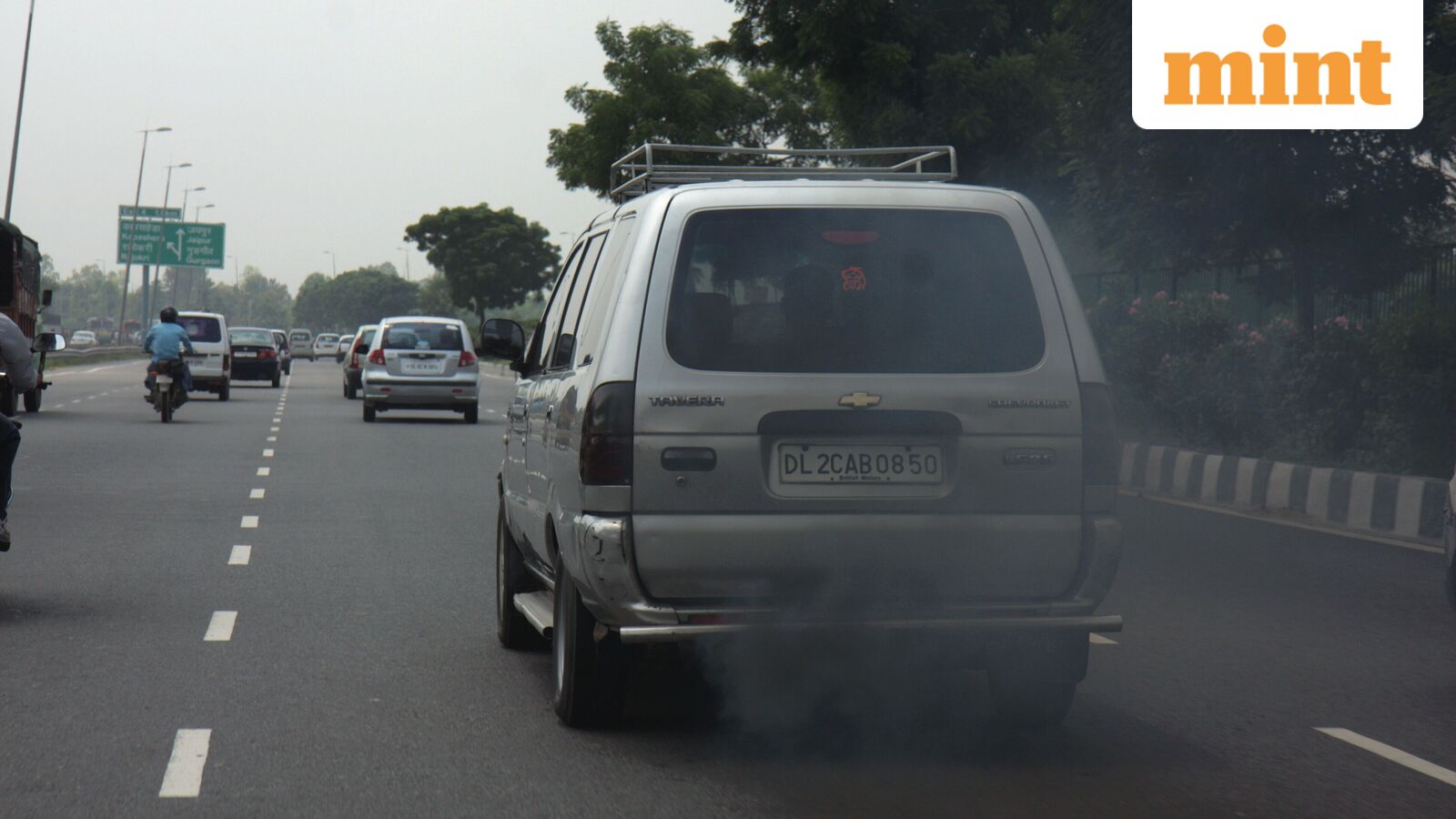
Piston rings are small but indispensable elements within an engine’s cylinder, playing a multifaceted role crucial for optimal performance and emissions control. Primarily, they create a gas-tight seal between the piston and the cylinder wall, preventing combustion gases from escaping into the crankcase and ensuring maximum power generation from fuel. Equally important, these rings precisely regulate the amount of lubricating oil on the cylinder walls, scraping excess oil back into the crankcase while leaving a thin film for lubrication. This precise oil management is directly linked to emissions, as any oil that enters the combustion chamber will burn, contributing to particulate matter and hydrocarbon emissions. By ensuring cleaner and more efficient fuel combustion and minimizing oil consumption, high-quality piston rings directly reduce tailpipe emissions, a critical factor for a nation grappling with escalating air pollution.
The previous standards, having been in place since 1977, predate numerous technological revolutions in engine design, materials science, and manufacturing processes. Over the past 48 years, engines have evolved dramatically, incorporating advanced fuel injection systems, turbocharging, variable valve timing, and sophisticated emission control technologies like catalytic converters and particulate filters. Concurrently, global environmental regulations have become progressively stricter, necessitating continuous improvements in engine component design and material properties. The outdated specifications under IS 8422 (parts VI, VII, and VIII), which primarily covered slotted oil control rings, failed to reflect these advancements. The new framework, conversely, consolidates and updates specifications to encompass a broader array of piston ring designs and configurations prevalent in modern engines, incorporating revised dimensional tolerances, advanced material requirements, and more rigorous testing procedures. This modernization is not merely incremental but represents a foundational shift to integrate contemporary engineering and quality benchmarks.
The economic implications of this regulatory shift are varied. For many major automotive manufacturers in India, particularly those with strong international affiliations or export ambitions, the immediate cost impact is anticipated to be limited. These larger players have often already adopted global manufacturing standards, aligning with international specifications such as those derived from Euro 6/7 norms or US EPA regulations, which typically feature advanced piston ring technologies. Their existing supply chains and R&D capabilities likely position them ahead of the curve, requiring minimal adjustments. However, the mandate reinforces the need for consistent quality across their component sourcing.
The true transformative impact is expected to be felt within India’s substantial auto component sector, valued at approximately $116 billion in 2026, where MSMEs constitute a significant proportion. For these smaller manufacturers, compliance will necessitate investments in upgrading materials, retooling production lines, and enhancing testing processes. This could involve adopting new alloys, advanced surface coatings (such as PVD or DLC for reduced friction and wear), and integrating sophisticated metrology and quality control systems. While this presents an initial financial and technological challenge, it also offers an unprecedented opportunity. Vinod Kumar, president of the India SME Forum, highlights that this alignment with modern engine technologies will enable MSMEs to improve product quality, enhance their competitiveness, and facilitate easier integration into both domestic and global supply chains, potentially unlocking new export markets. The government’s broader initiative to support auto parts exports, through capital expenditure, operational expenditure, and intellectual property assistance, further complements this push for quality upgrades.

From an environmental perspective, the revised piston ring standards are a pragmatic and impactful step in India’s climate action strategy. The transport sector is a significant contributor to India’s greenhouse gas (GHG) and particulate matter emissions, accounting for approximately 14% of the national total. Given that millions of ICE vehicles will continue to dominate India’s roads for the foreseeable future, even marginal improvements in engine efficiency and emissions reduction across the existing and new ICE fleet can yield substantial aggregate benefits. Harjeet Singh, a climate expert and founding director of the Satat Sampada Climate Foundation, aptly terms this a "pragmatic step toward immediate emissions reduction," emphasizing that "every percentage point of friction reduction and fuel efficiency counts as a win for our climate targets and urban air quality." Dr. Anil Prakash Joshi, an environmentalist and Padma Bhushan awardee, reinforces this, noting the significant carbon dioxide output from burning petrol or diesel and the critical role of piston rings in combustion efficiency.
This regulatory update signals a nuanced approach to India’s clean mobility transition. While the nation is rapidly accelerating its adoption of electric vehicles (EVs), with sales of approximately 2.3 million units in 2025 (though primarily two- and three-wheelers, with electric passenger vehicles making up roughly 5% of new car sales), ICE vehicles continue to command the overwhelming majority of the market. The government’s strategy, therefore, involves a dual focus: fostering EV growth while simultaneously "greening" the existing and continually expanding ICE fleet. This "bridge" strategy acknowledges the practical realities of a large developing economy, ensuring that the existing automotive ecosystem evolves towards greater sustainability without disruptive economic shocks. Sharif Qamar, associate director of transport and urban mobility at The Energy and Resources Institute (TERI), underscores that the new framework reflects advances in materials, manufacturing, and performance requirements, ensuring better performance, durability, and compliance with current regulations.
Beyond piston rings, this regulatory action is part of a broader policy push to elevate India’s automotive standards. The imminent third iteration of the Corporate Average Fuel Efficiency (CAFÉ 3) norms, set for enforcement in April 2027, will further compel automakers to enhance vehicle efficiency. These initiatives, alongside the Bharat Stage (BS) emission standards, collectively aim to bring India’s automotive technology on par with global leaders. The alignment of Indian specifications with internationally accepted benchmarks also makes Indian automotive components more compatible and attractive within global supply chains, fostering export growth and bolstering the ‘Make in India’ initiative.
However, experts caution that while these technical refinements to fossil-fuel engines are vital, they must be viewed as a transitional measure, not a permanent solution. As Harjeet Singh notes, "The automotive industry must not use these efficiency gains as a pretext to lock in internal combustion technology or delay the inevitable and urgent transition to full electric mobility." The long-term vision remains electric, but the journey involves optimizing every aspect of the current paradigm.
In conclusion, India’s decision to update its piston ring standards after nearly five decades is a significant policy intervention that encapsulates the nation’s complex path towards sustainable mobility and economic competitiveness. It represents a critical convergence of environmental imperatives, technological advancement, and industrial strategy. By raising the bar for a fundamental engine component, India is not only addressing immediate emissions challenges and improving air quality but also fostering innovation, enhancing the quality of its automotive manufacturing base, and solidifying its position within the global automotive supply chain. The coming years will reveal how effectively this regulatory impulse translates into widespread adoption, driving both environmental benefits and sustained economic growth for India’s dynamic automotive sector.