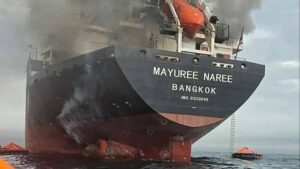

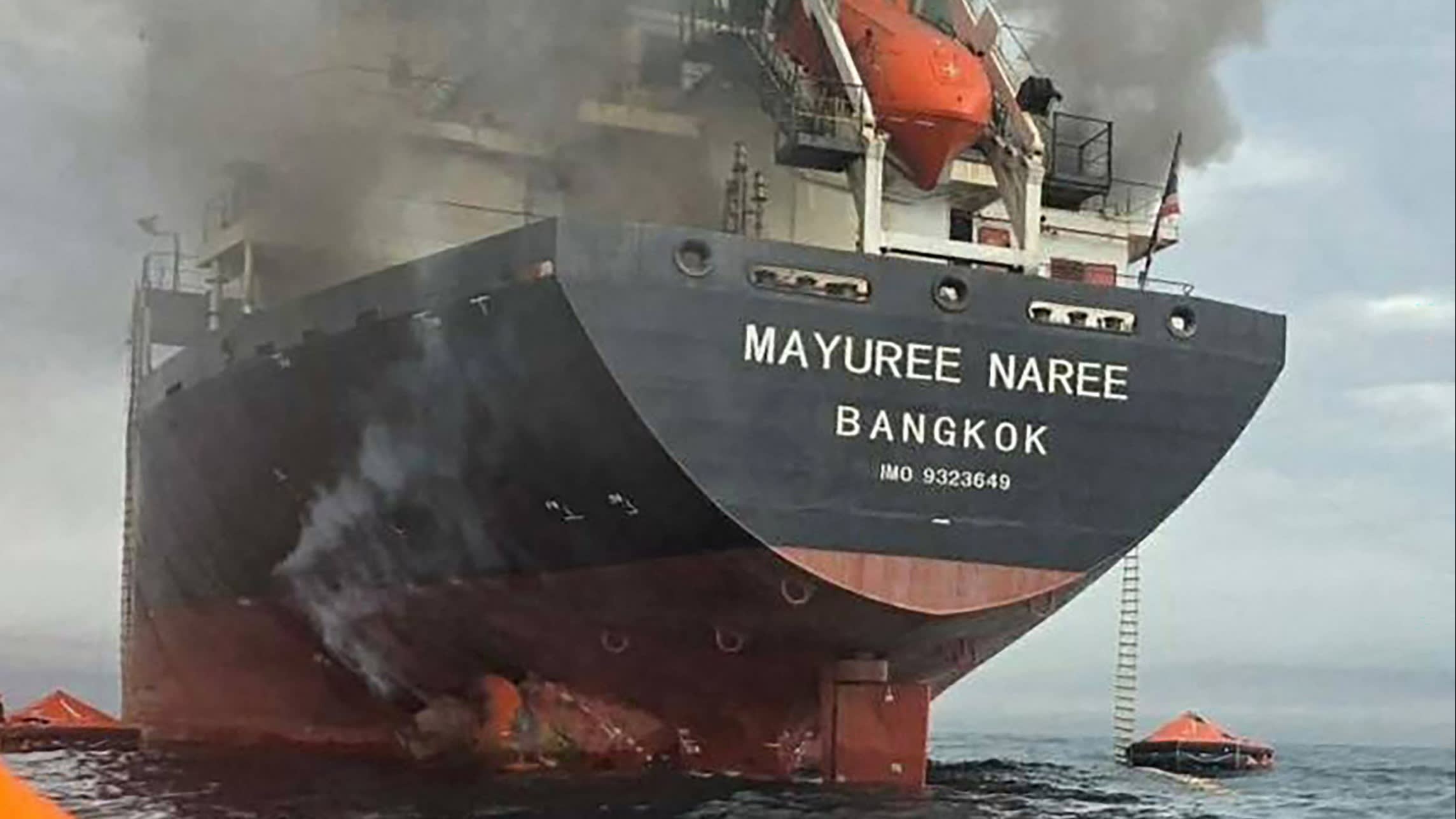
The global energy landscape has entered a period of acute instability, with Brent crude futures surging past the $100-per-barrel milestone for the first time in months. This psychological and economic threshold was breached following a series of sophisticated attacks on commercial shipping vessels in the Middle East, a development that has effectively re-introduced a significant "war premium" into the pricing of global commodities. For market participants, the escalation represents a shift from theoretical geopolitical risk to a tangible disruption of the maritime corridors that facilitate the movement of nearly 12% of global seaborne oil. As tankers reroute and insurance premiums skyrocket, the specter of a prolonged energy crisis is beginning to weigh heavily on the global economic outlook.
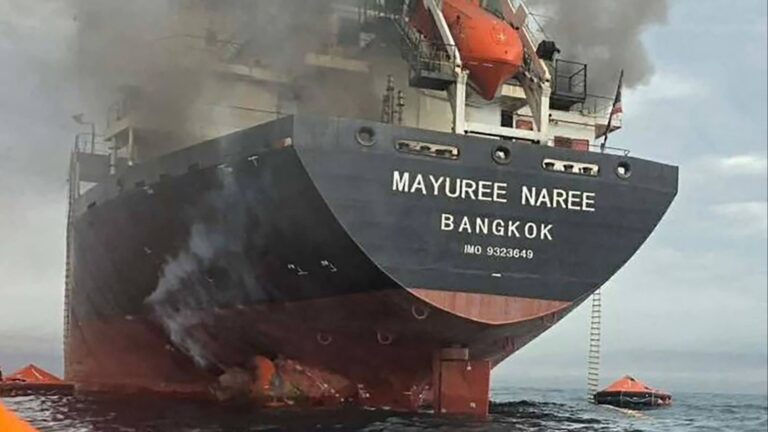
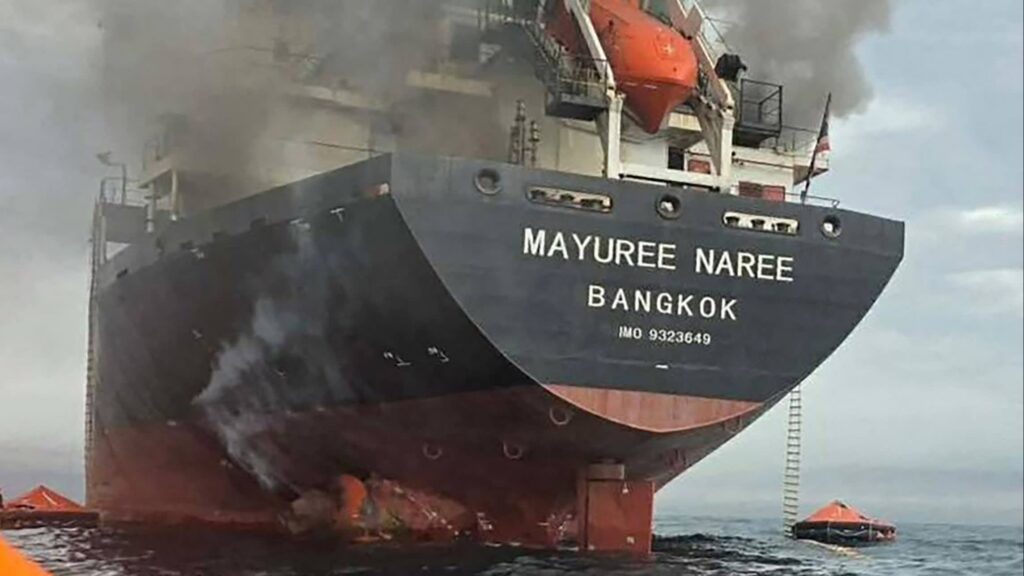
The catalyst for this latest price rally was a coordinated series of strikes targeting tankers and cargo ships in the Red Sea and the Bab al-Mandab Strait. These waters, which serve as the primary gateway to the Suez Canal, are essential for the transit of crude oil and liquefied natural gas (LNG) from the Persian Gulf to European and North American markets. The vulnerability of these maritime "choke points" has been laid bare by the use of low-cost drones and anti-ship missiles, which have forced several of the world’s largest shipping conglomerates—including Maersk, Hapag-Lloyd, and MSC—to suspend operations in the region. The decision to divert vessels around the Cape of Good Hope adds approximately 3,500 nautical miles and 10 to 14 days to a standard voyage, a logistical nightmare that significantly increases fuel consumption and operational costs.
Market analysts suggest that the return of $100 oil is not merely a reaction to current physical shortages, but a proactive hedge against the risk of a wider regional conflagration. While the immediate conflict remains localized, the involvement of non-state actors and the potential for direct intervention by regional powers have created an environment of extreme uncertainty. If the instability were to spread to the Strait of Hormuz—the world’s most important oil transit point, through which more than 20 million barrels of oil flow daily—the impact on prices would be exponential. Investment banks, including Goldman Sachs and Morgan Stanley, have revised their near-term forecasts, noting that even a temporary closure of such vital arteries could send prices well into the $120 to $150 range.
The economic ramifications of triple-digit oil extend far beyond the fuel pump. For central banks in the United States and Europe, which have spent the better part of two years battling persistent inflation through aggressive interest rate hikes, this energy price shock represents a significant setback. High energy costs are a "tax on the consumer," reducing discretionary spending and increasing the cost of manufacturing and transportation across all sectors. If oil remains above $100 for a sustained period, the "soft landing" scenario envisioned by the Federal Reserve becomes increasingly precarious. Instead, the global economy faces the renewed threat of stagflation—a period of stagnant growth coupled with high inflation—reminiscent of the 1970s energy crises.
Furthermore, the shipping industry is grappling with an insurance crisis that is compounding the cost of trade. Underwriters have significantly raised war-risk premiums for vessels entering the Red Sea, with some reports indicating that the cost to insure a single voyage has increased tenfold in a matter of weeks. These costs are inevitably passed down the supply chain, impacting everything from the price of refined gasoline to the cost of grain and consumer electronics. The disruption comes at a time when the global supply chain was only just recovering from the systemic shocks of the COVID-19 pandemic and the logistical fallout from the conflict in Ukraine.
The response from the international community has been swift but fraught with diplomatic complexity. A U.S.-led maritime task force has been dispatched to provide security for commercial vessels, yet the vast expanse of the Red Sea makes comprehensive protection a daunting task. Critics of the intervention argue that a purely military solution may not address the underlying political drivers of the maritime attacks, while proponents suggest that a failure to secure these lanes would signal a collapse of the rules-based international order. For oil-producing nations within the OPEC+ alliance, the current price environment presents a double-edged sword. While higher prices bolster national treasuries, particularly for Saudi Arabia and the United Arab Emirates, they also risk accelerating the global transition toward renewable energy and potentially destroying demand in price-sensitive emerging markets.
In Asia, the impact is particularly acute. Major importers like China, India, and Japan rely heavily on Middle Eastern crude to power their industrial bases. While China has sought to diversify its energy sources by increasing imports from Russia via pipelines and overland routes, the maritime route remains indispensable. A sustained period of $100 oil could dampen China’s post-pandemic recovery, which has already been hampered by a property sector crisis and cooling domestic demand. Similarly, in India, where the government is sensitive to fuel prices ahead of major elections, the current volatility is a source of significant political and economic concern.
The technical dynamics of the oil market are also contributing to the upward pressure. Global inventories remain at historically low levels, leaving little buffer to absorb sudden supply shocks. While U.S. shale production has reached record highs, it has not been enough to offset the production cuts implemented by OPEC+ and the geopolitical risks currently at play. Traders in the futures market are increasingly engaging in "call options" that bet on oil reaching even higher levels, creating a feedback loop of bullish sentiment that pushes prices higher even in the absence of a direct hit to production facilities.
Expert insights suggest that we are witnessing a fundamental shift in the "geopolitical risk premium." For much of the last decade, the market viewed the Middle East with a degree of complacency, assuming that the sheer volume of global oil production would mitigate localized conflicts. That era of relative stability appears to be ending. The current crisis highlights the fragility of a globalized economy that depends on a handful of narrow waterways. As one senior energy analyst at a London-based think tank noted, "The world has spent decades optimizing supply chains for efficiency, but we are now discovering that efficiency is the enemy of resilience."
Looking ahead, the trajectory of oil prices will depend on three critical factors: the duration of the maritime hostilities, the effectiveness of international naval protection, and the degree to which the conflict draws in major regional energy producers. If the attacks on shipping are perceived as a permanent feature of the regional landscape, the $100 price floor may become the new normal. This would force a radical reassessment of global trade routes, potentially favoring more expensive overland transport or the accelerated localization of manufacturing.
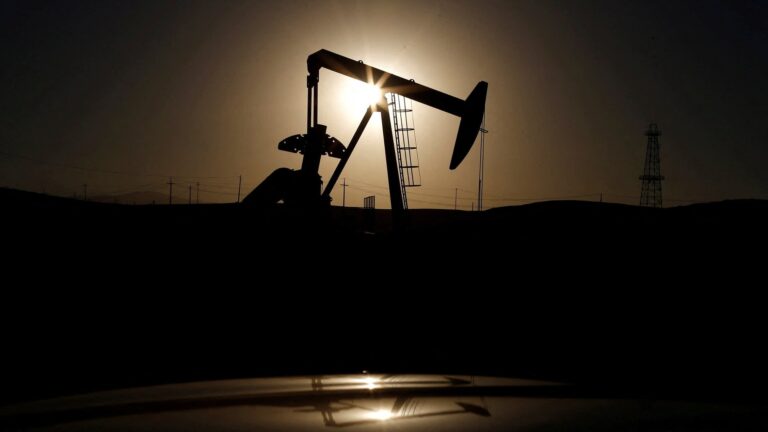
The return to $100 oil serves as a stark reminder of the enduring power of hydrocarbons in the global economy. Despite the rapid growth of electric vehicles and renewable energy, the world remains tethered to the movement of oil through contested waters. The current crisis is not just a story of price charts and supply-and-demand balances; it is a profound challenge to the stability of the global economic system. As the smoke clears from the latest maritime strikes, the world is left to contemplate a future where energy security can no longer be taken for granted, and where the price of a barrel of oil is once again the primary barometer of global geopolitical health. The implications for inflation, growth, and international relations will be felt for years to come, marking this moment as a definitive turning point in the post-pandemic era.