
As the 2025-26 fiscal year drew to a close, a precarious equilibrium for micro, small, and medium enterprises (MSMEs) has been shattered, exposing these vital economic actors to a renewed onslaught of challenges. Just as these businesses began to recalibrate after a period of intense trade policy uncertainty marked by fluctuating US tariffs, a burgeoning conflict involving the United States and Iran has ignited fresh disruptions across critical shipping lanes in West Asia. This confluence of trade friction and geopolitical instability has created a potent cocktail of higher operational costs, transit delays, and pervasive uncertainty, significantly eroding the slim margins and delicate cash flows characteristic of the MSME sector.
The preceding months had been defined by a turbulent tariff landscape. From August 2025 through February 2026, many exporters faced punitive US tariffs that, in some instances, climbed as high as 50%. These measures, often stemming from broader trade disputes and reciprocal actions initiated under the previous US administration, presented formidable barriers to market access and severely tested the competitiveness of goods in key export destinations. The impact on MSMEs was immediate and profound, forcing many to absorb a portion of these costs, renegotiate contracts, or even cede market share to competitors from regions unaffected by similar duties. The high tariff regime necessitated a strategic re-evaluation for many smaller firms, challenging their ability to compete on price and eroding the economic viability of certain export ventures.
A glimmer of relief appeared on February 6, when an interim trade arrangement between Washington and New Delhi led to a significant reduction in these tariffs, first to 18% and subsequently to 10% following a landmark US Supreme Court ruling that invalidated President Donald Trump’s reciprocal tariffs. This policy shift promised a much-needed reprieve, potentially allowing MSMEs to reclaim lost ground and regain competitive pricing advantages in the crucial American market. However, the optimism proved fleeting. The anticipated benefits of reduced tariffs have been almost entirely nullified by a surge in freight and insurance costs, coupled with unprecedented transit disruptions stemming from the escalating US-Iran conflict. This swift pivot from trade policy headwinds to geopolitical chokeholds underscores the inherent vulnerabilities of globalized supply chains and the disproportionate impact on smaller entities.
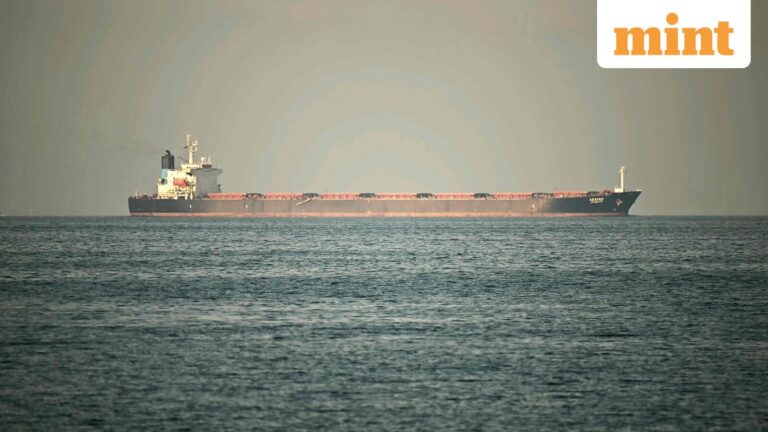
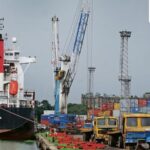
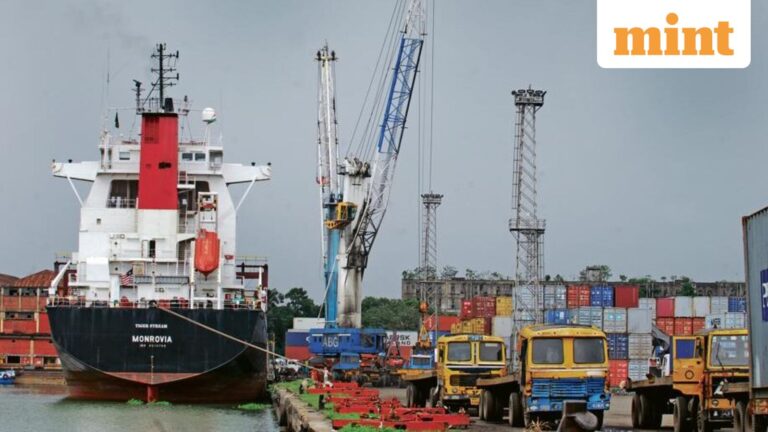
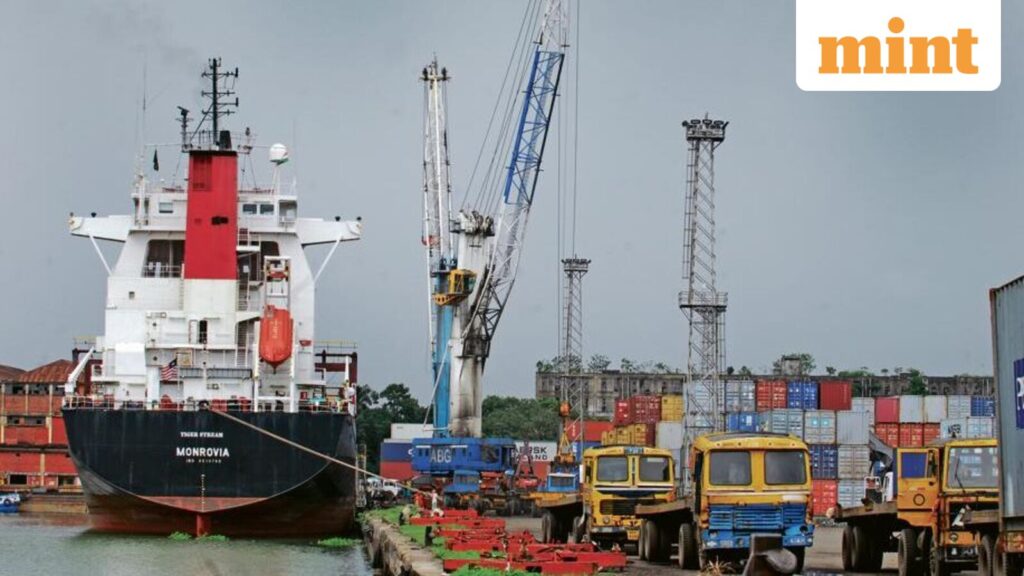
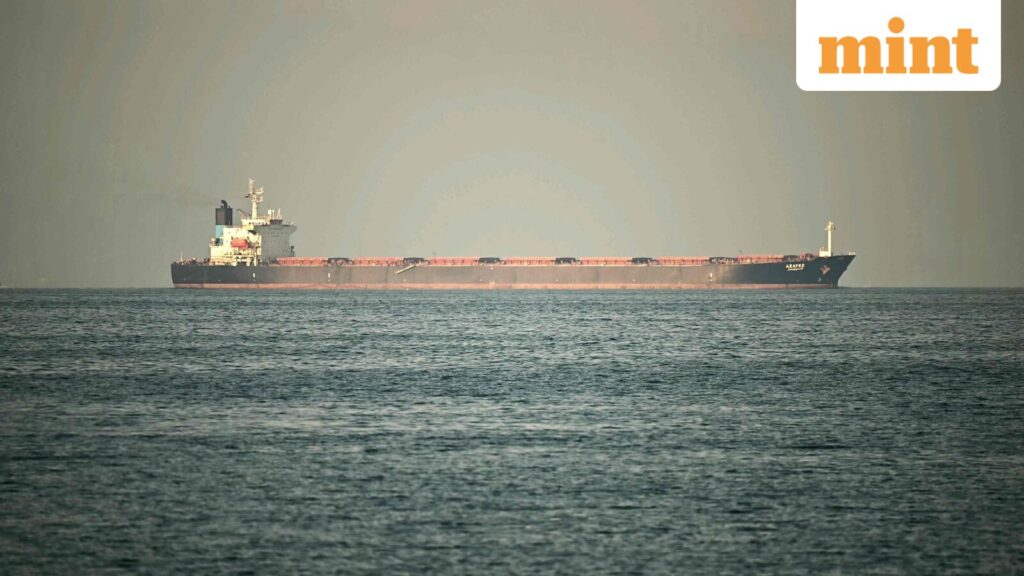
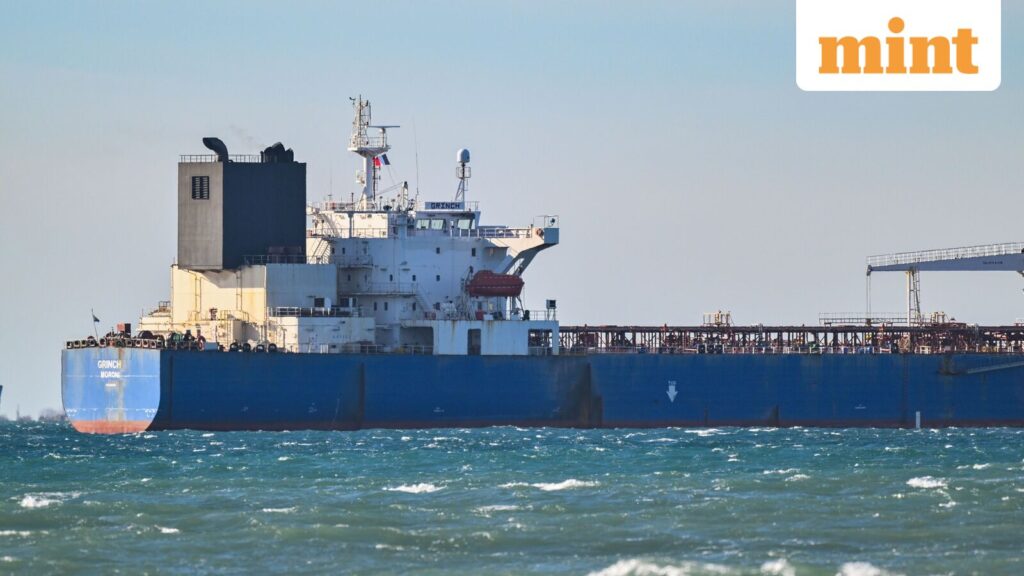
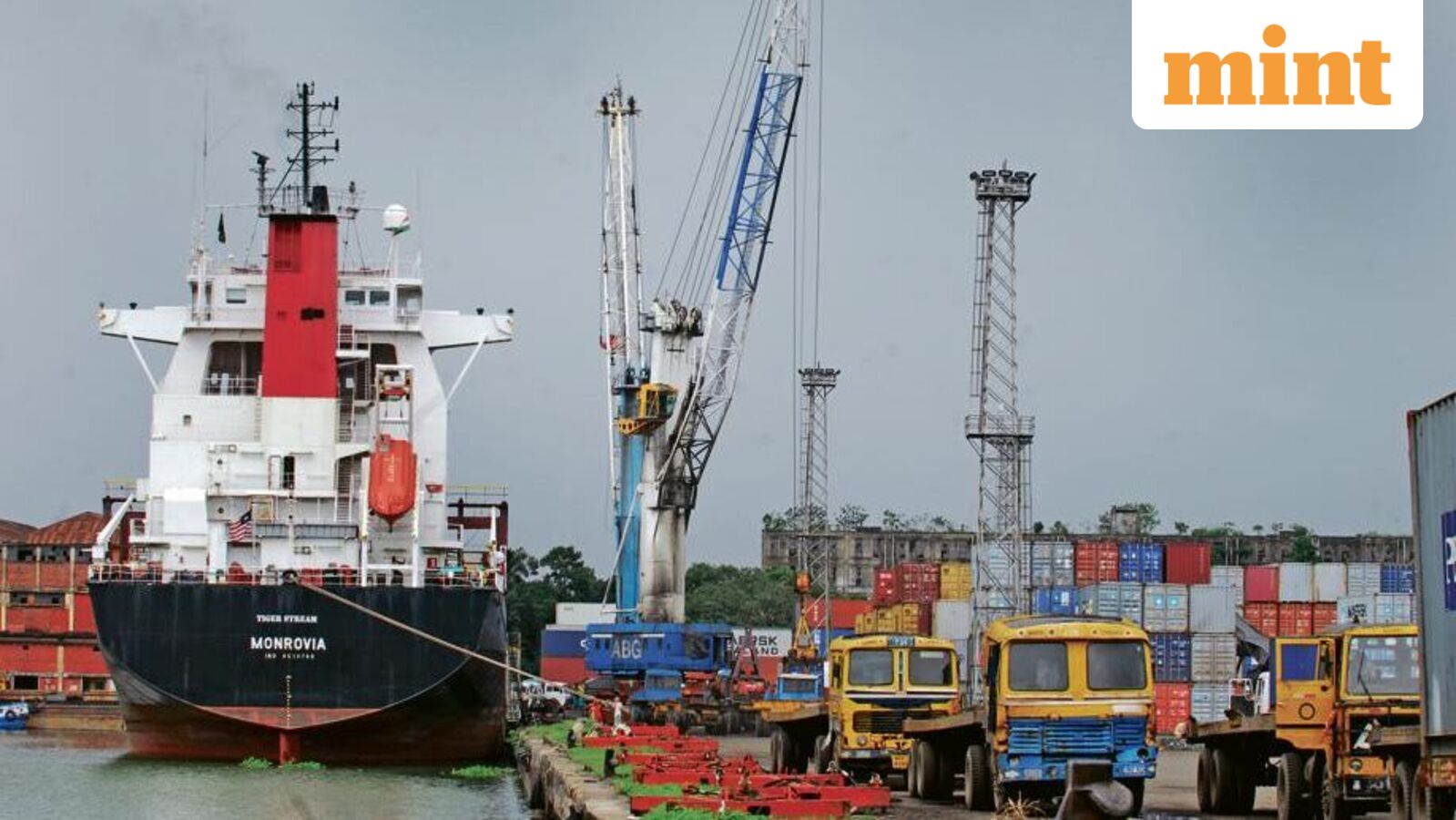
The epicenter of the current crisis is West Asia, with particular concern surrounding the Strait of Hormuz. This narrow waterway, a global chokepoint, is indispensable for international maritime trade, especially for energy shipments and goods transiting between Asia, Europe, and Africa. The closure or severe impediment of shipping through and around the Strait has led to a cascade of logistical nightmares. Consignments are reported to be stranded at major transhipment hubs, such as Dubai’s Jebel Ali Port, or languishing in domestic warehouses, exacerbating liquidity issues for MSMEs that rely on timely payments and consistent cash flow. For businesses like Shezar Technologies, an exporter of electronic components with monthly shipments valued at approximately ₹50 lakh, nearly 40% of which traverse West Asia en route to Europe and Latin America via Dubai, the implications are dire. Sushma Morthania, a director at Shezar, notes that some international buyers preemptively placed orders on hold for at least a week ahead of the conflict, creating immediate inventory backlogs. The financial strain of holding finished goods, coupled with limited storage capacity, poses a significant burden for smaller firms.
The economic implications for India’s MSME sector are substantial, given its outsized contribution to the national economy. MSMEs account for roughly 45% of India’s total exports and contribute approximately 30% to the nation’s gross domestic product (GDP), second only to agriculture in terms of volume of economic activity, as per the Small Industries Development Bank of India (SIDBI). The West Asia and North Africa (WANA) region itself is a cornerstone of India’s trade architecture. In 2024-25, India’s merchandise exports to major WANA markets surpassed $64 billion, with total bilateral trade crossing an impressive $216 billion. This region is not merely a destination for Indian goods but also a crucial source of energy imports and a vital transit corridor for exports to other parts of the world. Any prolonged instability in this region, therefore, threatens not only direct trade but also the broader connectivity of India’s global supply chains.

The "cost of war" is manifesting in multiple dimensions. The India SME Forum, a representative body for approximately 97,000 MSMEs, has estimated that even a week-long disruption could jeopardize export orders worth around ₹8,500 crore, equivalent to roughly 13% of the country’s monthly non-oil exports. Vinod Kumar, president of the forum, warns of graver consequences if the disruptions persist. He projects that a conflict lasting beyond three months could trigger 10-20% order cancellations, significant inventory pile-ups, and the potential loss of 100,000-200,000 jobs within export-oriented clusters. This vulnerability stems from the limited diversification options available to many smaller firms, which often concentrate their trade routes and market access.
The engineering sector, a significant contributor to India’s manufacturing output and exports, is particularly exposed. Pankaj Chadha, chairman of the Engineering Export Promotion Council (EEPC), articulates the escalating concerns: "The war threatens to erode our competitiveness due to rising logistics and insurance costs. The overall situation seems very volatile. Trade disruptions in this region, particularly in the UAE and Saudi Arabia, are significantly affecting our shipments. All these factors combined are set to increase input costs, thus putting further strain on our revenue and profitability." This highlights how geopolitical events translate directly into bottom-line pressures for manufacturers, jeopardizing their ability to compete on the global stage.
This current crisis marks the second major disruption linked to West Asia in a relatively short period, following the Red Sea crisis of late 2023. During that episode, attacks by Houthi rebels forced many vessels to reroute around the Cape of Good Hope, adding considerable time and cost to transit. While both situations involve maritime disruptions in the same broad geographical area, geopolitical analysts draw a crucial distinction. Amit Singh, an associate professor at the Special Centre for National Security Studies, Jawaharlal Nehru University, emphasizes that "the current US-Iran escalation marks a shift from proxy-level disruption to direct state confrontation, which raises the stakes for global trade and energy corridors." Unlike the Red Sea crisis, which primarily involved non-state actors, the current conflict involves sovereign states with both the capacity to sustain hostilities and the incentive to contain broader economic fallout. However, for MSMEs, this distinction offers little solace. Even short-term disruptions initiated by state actors can severely strain cash flows, delay payments, and derail production schedules, leading to an estimated 10-15 days added to transit times and a 30-50% increase in logistics costs, according to industry executives.
The compounding effect of these successive disruptions is a primary concern. Mukesh Mohan Gupta, president of the Chamber of Indian Micro Small and Medium Enterprises, advises a cautious "wait and watch" approach, particularly as international calls for restraint and peace intensify. Yet, he unequivocally warns of the severe repercussions should the conflict become protracted. "If the conflict continues for a prolonged period, it will significantly impact the MSME sector on both fronts. Exports will become costlier due to rising logistics and insurance expenses, while manufacturing will also be affected as imported raw materials turn more expensive. This could eventually lead to higher domestic prices as we go, adding to cost pressures across the value chain." Such a scenario would not only dampen export growth but also fuel domestic inflation, affecting consumers and the broader economy.
The imperative for resilience and adaptability within the MSME sector has never been more critical. Governments and industry bodies are under pressure to devise strategies that mitigate the immediate shocks and foster long-term stability. This includes exploring alternative trade routes, even if they incur higher costs, and diversifying market access to reduce over-reliance on volatile regions. Additionally, robust financial support mechanisms, such as enhanced credit lines and insurance subsidies, may be necessary to help MSMEs navigate periods of severe cash flow strain and absorb rising operational costs. The current geopolitical climate underscores the urgent need for a more resilient and agile global supply chain infrastructure, less susceptible to singular points of failure, whether they arise from trade policy shifts or armed conflict. For India’s MSMEs, the dual challenge of tariff adjustments and escalating geopolitical tensions represents a stern test of their endurance and strategic foresight, determining not just their survival but also the trajectory of India’s broader economic growth in an increasingly fragmented world.