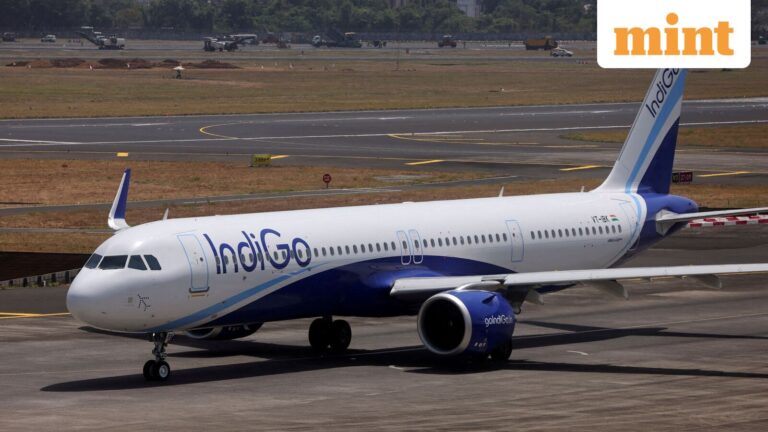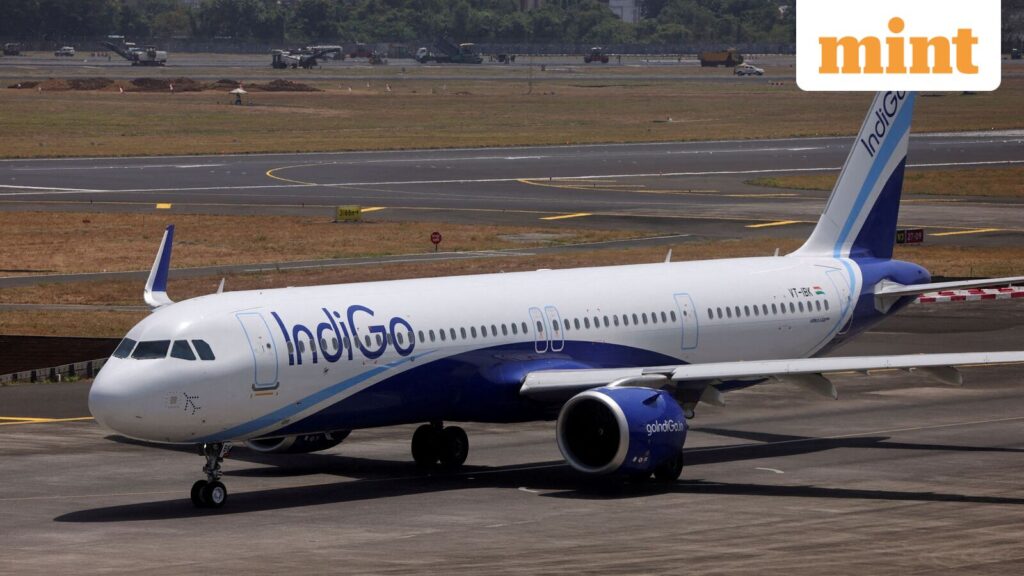

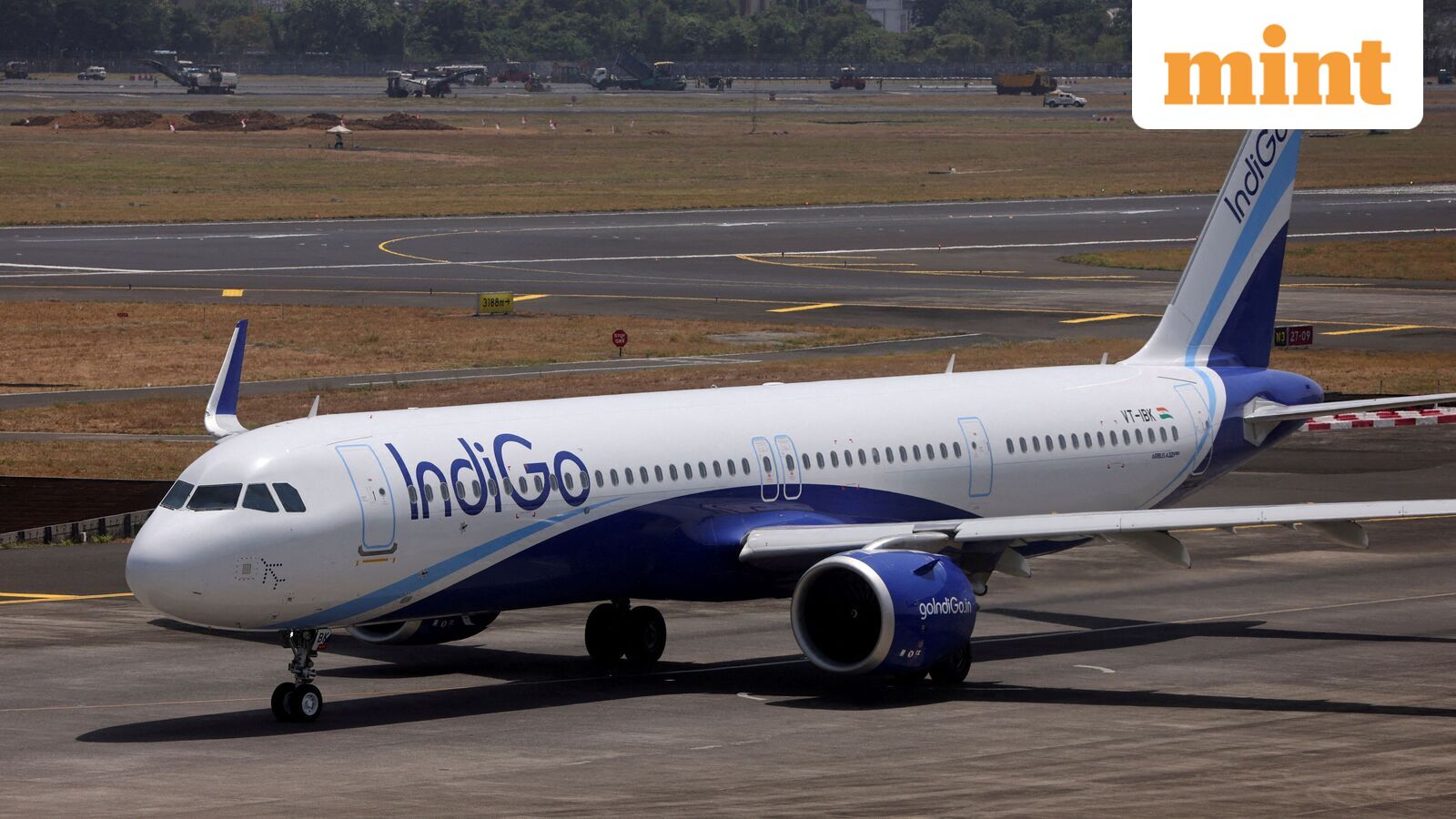
India’s burgeoning aviation sector finds itself navigating a complex confluence of geopolitical upheaval and domestic operational challenges, compelling major carriers like IndiGo and the Air India Group to formally request temporary exemptions from stringent pilot duty hour regulations. The ongoing instability in West Asia, coupled with persistent restrictions over Pakistani airspace, has necessitated significant rerouting for international flights originating from India, pushing flight durations well beyond the standard limits for two-pilot crews. This development not only exacerbates an existing, critical pilot shortage but also significantly impacts airline profitability and operational efficiency, prompting the Directorate General of Civil Aviation (DGCA) to undertake a critical safety assessment.
Under India’s Flight Duty Time Limitation (FDTL) rules, a single-sector flight exceeding 10 hours requires an augmented crew, typically comprising a captain and two first officers, or three pilots in total. This regulation is a cornerstone of aviation safety, designed to mitigate fatigue and ensure optimal crew performance on long-haul sectors. Prior to the recent escalation of tensions in West Asia, and even before the protracted closure of Pakistani airspace, flights from India to Western destinations generally maintained flight times between 8.5 and 9 hours, comfortably within the two-pilot threshold. However, the current geopolitical landscape has drastically altered these parameters. For instance, a direct flight from Delhi to London, which previously fell within acceptable limits, now routinely logs between 10 hours 45 minutes and 11 hours 5 minutes. This extended duration mandates the deployment of an additional pilot, a requirement that has become a significant logistical and financial burden for airlines already grappling with tight resources.
The underlying cause of these extended flight paths is multifaceted. The West Asia crisis, characterized by escalating conflict and retaliatory actions, has led to periodic and unpredictable closures or restrictions in various airspaces across the region, from parts of Israel to the United Arab Emirates. While temporary closures, such as those seen on February 28th and March 1st, have directly led to hundreds of flight cancellations affecting Gulf and long-haul routes, the broader impact stems from airlines being compelled to adopt longer, safer corridors to circumvent potential conflict zones. This strategic rerouting, essential for passenger and crew safety, adds hundreds of nautical miles to journeys, translating directly into increased flight time. This situation is further compounded by the lingering restrictions over Pakistani airspace, a persistent challenge for Indian carriers operating westbound flights since 2019, which had already necessitated longer routes and increased fuel burn.
The request for FDTL relief arrives at a particularly challenging juncture for Indian aviation, which is already contending with a severe and structural pilot shortage. India’s aviation market is among the fastest-growing globally, with domestic passenger traffic having surged by over 20% year-on-year in recent months and ambitious fleet expansion plans by major carriers. Projections from industry bodies and aircraft manufacturers indicate a need for tens of thousands of new pilots over the next two decades to support this growth. However, the supply pipeline for trained pilots struggles to keep pace. New FDTL rules introduced last year further tightened operational parameters, requiring airlines to increase their pilot reserves. For instance, restrictions on pilots operating flights landing between midnight and 6 a.m. more than twice a week mean that a greater number of pilots are needed to maintain existing schedules. The additional demand for augmented crews on now-extended international routes places an unprecedented strain on an already stretched workforce, effectively reducing the operational availability of pilots for other flights and potentially leading to further schedule disruptions or cancellations if relief is not granted.

The DGCA, as the paramount safety regulator, now faces the intricate task of balancing operational exigencies with its primary mandate of ensuring aviation safety. Historically, the regulator has granted dispensations during periods of severe disruption, such as previous instances of Pakistani airspace closures, the Iran-Iraq war, or major global events like the 9/11 attacks and severe weather phenomena in other regions. Such dispensations are typically granted on a case-by-case basis, following a rigorous risk assessment. Aviation experts, like Sanjay Lazar of Avialaz Consultants, emphasize the necessity of a detailed safety evaluation, particularly given the inherent uncertainties of airspace disruptions and recent incidents of flights needing to return due to security concerns. While acknowledging the regulator’s inherent powers to issue such temporary waivers, there is a strong sentiment within the industry that the current geopolitical climate, with its unpredictable nature, might even argue for more robust crewing, not less, to manage unforeseen contingencies. The decision will undoubtedly hinge on a meticulous analysis of factors like specific route risks, crew rest facilities, and the overall safety culture of the requesting airlines.
Beyond the immediate operational and crewing challenges, the extended flight paths and geopolitical instability exert significant economic pressure on Indian airlines, threatening their already slender profit margins. Fuel typically constitutes 35-40% of an airline’s operating costs, and longer routes directly translate to higher fuel consumption. This added expense is compounded by the volatility in global crude oil prices, which often spike in response to geopolitical tensions, creating a dual inflationary effect. Moreover, the limited ability of airlines to fully pass on these increased costs to passengers, particularly in a highly competitive domestic market, means that a substantial portion of this financial burden is absorbed by the carriers themselves. Further compounding the financial strain is the potential for depreciation of the Indian Rupee against major foreign currencies. A weaker rupee significantly impacts the profitability of Indian airlines, as a substantial portion of their liabilities—including aircraft lease payments, maintenance, repair, and overhaul (MRO) expenses, and spare parts procurement—are denominated in foreign currencies, primarily the US dollar. This currency exposure creates a significant headwind, eroding financial performance even when operational revenues appear stable.
The cumulative effect of these challenges is a reduction in operational efficiency and increased financial vulnerability. Longer flight times mean less aircraft utilization, a critical metric for airline profitability. Each hour an aircraft spends in the air generating revenue is paramount, and extended ground times or reduced flight frequencies due to crew limitations can severely impact revenue generation. Furthermore, the uncertainty surrounding airspace availability and the need for last-minute rerouting can lead to significant disruptions in flight schedules, passenger inconvenience, and potential compensation costs. While Indian carriers have shown resilience in the face of previous crises, the current combination of a deep-seated pilot shortage, evolving FDTL rules, and a highly volatile geopolitical environment presents a formidable test for the sector’s long-term sustainability and growth trajectory.
As the DGCA deliberates on the airlines’ request for temporary FDTL relief, the outcome will have profound implications for the operational strategies, financial health, and safety standards of India’s aviation industry. The decision will not only set a precedent for managing future geopolitical disruptions but also highlight the delicate balance between fostering growth in a critical infrastructure sector and upholding the paramount importance of passenger and crew safety. In a world increasingly interconnected yet prone to regional conflicts, the ability of national aviation bodies to adapt regulations flexibly, yet judiciously, becomes a crucial determinant of global air travel’s resilience.