

The ambitious diplomatic momentum once aimed at brokering a swift resolution to the conflict in Eastern Europe appears to be fracturing, as the shifting priorities of the American political landscape pivot toward a more aggressive stance against Tehran. While the international community initially anticipated a surge in mediation efforts to end the Russo-Ukrainian War following the U.S. election cycle, the reality on the ground suggests a cooling of those ambitions. Instead, a strategic recalibration is underway, one that prioritizes the containment of Iranian influence in the Middle East over the immediate resolution of the territorial disputes in the Donbas and Crimea. This shift carries profound implications for global energy markets, European security expenditures, and the broader architecture of international trade.
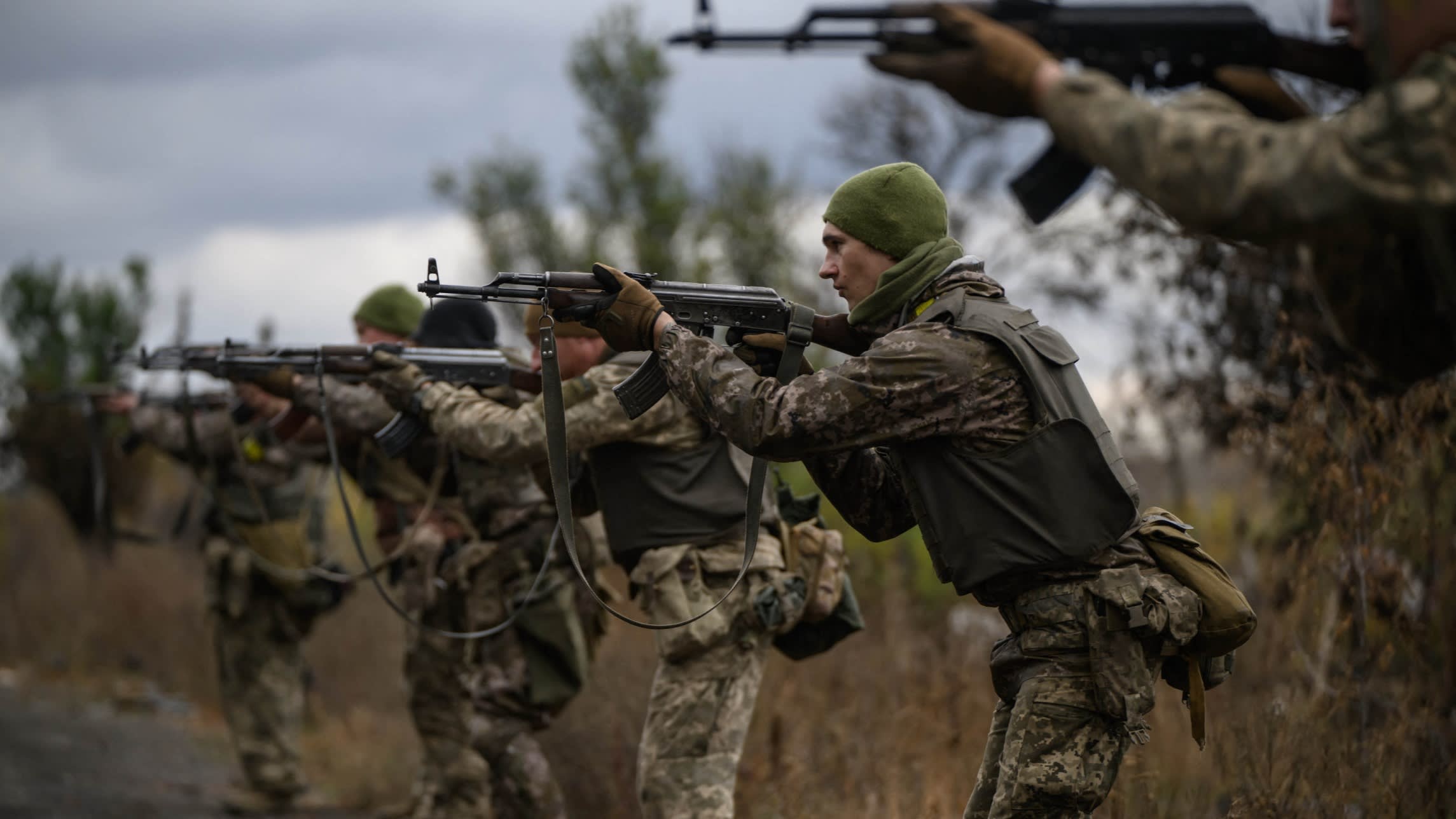
The initial rhetoric surrounding a "24-hour peace deal" for Ukraine has met the harsh reality of entrenched geopolitical positions. In Kyiv, the administration remains steadfast in its refusal to cede territory for a fragile truce, while in Moscow, the Kremlin’s demands for a neutral, demilitarized Ukraine remain a non-starter for Western allies. Consequently, the diplomatic oxygen in Washington is being redirected. The emerging consensus among policy architects suggests that the Ukrainian theater has entered a "frozen conflict" phase, where the primary objective is no longer a definitive peace treaty but rather the management of a long-term war of attrition. This allows the United States to turn its fiscal and military attention back to the Persian Gulf, where the threat of a nuclear-capable Iran and its network of regional proxies poses a more direct challenge to American interests and global maritime stability.
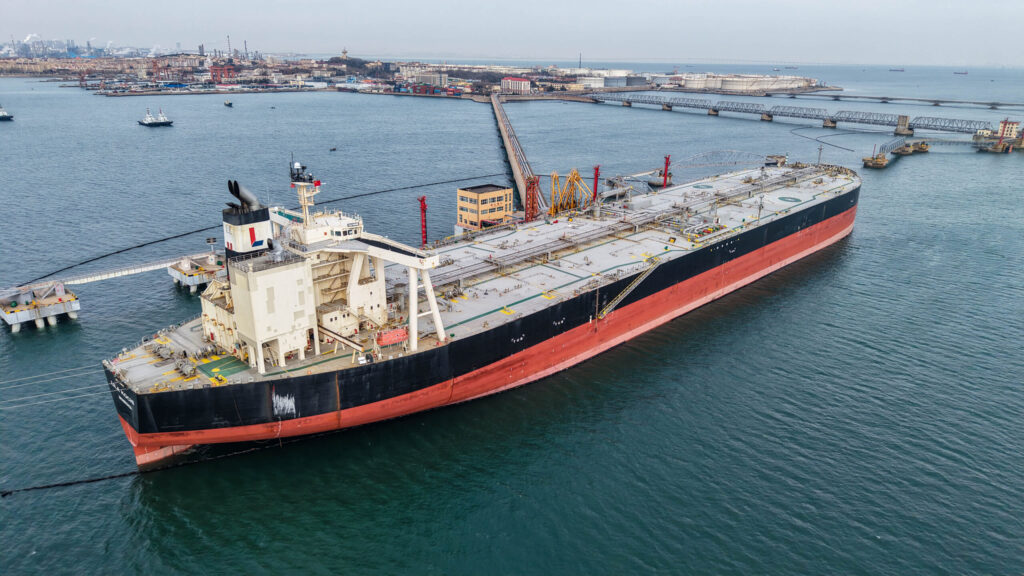
The economic ramifications of this pivot are already being felt across commodity desks and sovereign wealth funds. During the peak of the Ukraine crisis, the primary concern for global markets was the disruption of grain exports and the weaponization of natural gas supplies to Europe. However, as Europe successfully diversified its energy mix—increasing its reliance on U.S. liquefied natural gas (LNG) and Norwegian pipeline gas—the "Ukraine premium" on energy prices has largely dissipated. In its place, a new volatility is emerging linked to the potential for a "Maximum Pressure 2.0" campaign against Iran. Tehran currently produces approximately 3.2 million barrels of crude oil per day, with a significant portion of its exports finding their way to independent refineries in China. A renewed enforcement of stringent sanctions could theoretically remove over 1 million barrels per day from the global market, exerting upward pressure on Brent crude prices even as global demand forecasts remain tepid.
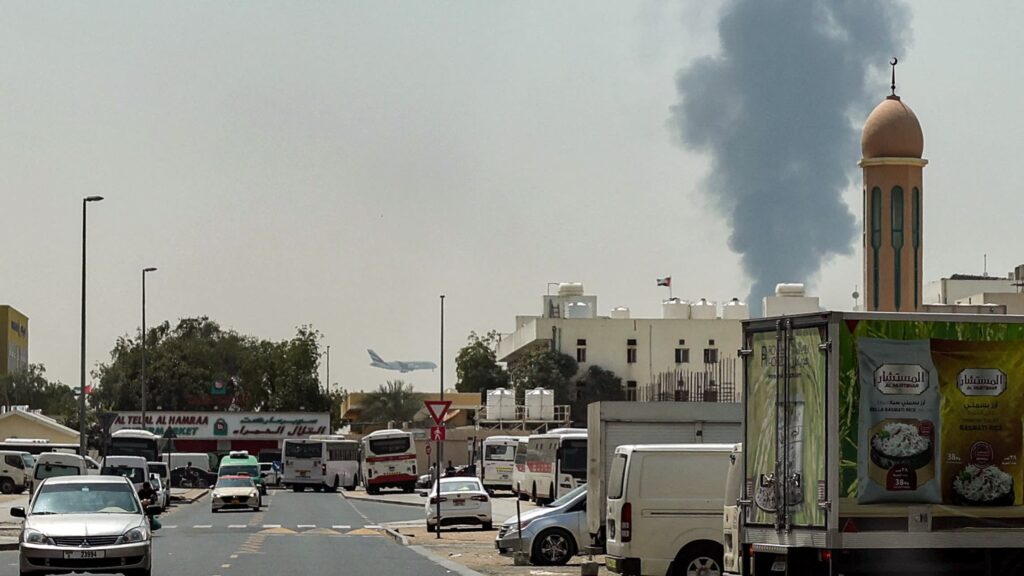
Expert analysis suggests that the shift in focus is driven by a desire to restore deterrence in the Middle East, which has been severely tested by the ongoing conflicts involving Israel, Hamas, and Hezbollah. From a strategic perspective, the U.S. sees the Iranian threat as a multi-domain challenge that affects the security of the Red Sea—a critical artery for 12% of global trade—and the stability of the world’s most vital oil transit point, the Strait of Hormuz. By contrast, the war in Ukraine, while devastating, is increasingly viewed by some Washington factions as a European problem that requires a European solution. This has led to a palpable anxiety in Brussels and Berlin, where leaders are grappling with the prospect of shouldering a greater share of the multi-billion-dollar annual aid packages required to keep the Ukrainian state and military operational.
The fiscal constraints of the United States also play a pivotal role in this strategic reordering. With a national debt exceeding $34 trillion and a domestic appetite for foreign intervention reaching a nadir, the U.S. administration is forced to prioritize its "geopolitical capital." Funding a protracted war in Europe while simultaneously preparing for a potential confrontation with Iranian-backed entities requires a level of defense spending that is politically difficult to sustain. Data from the Congressional Budget Office suggests that maintaining current levels of support for Ukraine would require significant budgetary trade-offs. By pivoting to Iran, the U.S. can leverage a different set of tools—namely financial sanctions, treasury designations, and regional alliances like the Abraham Accords—which are perceived as less resource-intensive than the direct supply of heavy artillery and long-range missile systems.
Furthermore, the "Axis of Resistance" led by Iran has become a central focus for intelligence and defense planners. The proliferation of Iranian drone technology, which has notably been utilized by Russian forces in Ukraine, has bridged the two theaters of conflict. However, for Washington, the source of the technology is now seen as the more pressing threat than its application on the Ukrainian front. The logic is that by crippling the Iranian economy and its ability to fund proxies, the U.S. can simultaneously weaken Russia’s supply chain while securing the interests of regional allies such as Saudi Arabia and Israel. This "source-focused" strategy marks a departure from the previous administration’s focus on the tactical containment of Russian advances.
In Europe, this shift is being met with a mixture of pragmatic preparation and strategic dread. For the past two years, the continent has operated under the assumption of a unified transatlantic front against Moscow. If Washington’s focus continues to drift toward Tehran, the European Union will be forced to accelerate its "strategic autonomy" goals. This would necessitate a massive increase in defense production, a move that could stimulate the European industrial base but also strain the fiscal deficits of nations already struggling with the transition to a green economy. The economic impact analysis of a U.S. withdrawal from the Ukrainian peace process suggests a potential 0.5% to 1% drag on Eurozone GDP growth over the next three years, as governments divert funds from social programs to military readiness.
Global comparisons further illustrate the complexity of this pivot. While the U.S. looks toward the Middle East, other global powers are filling the vacuum left in the Ukrainian diplomatic space. China, for instance, has positioned itself as a potential mediator, though its "no-limits" partnership with Russia makes it a suspect actor in the eyes of the West. India, too, has sought to balance its historical ties with Moscow against its growing partnership with Washington, often acting as a middleman for energy trades that bypass Western sanctions. The "fizzling out" of U.S.-led Ukraine peace talks creates a multipolar diplomatic environment where the outcome of the war may be decided not by a grand bargain in Geneva or Washington, but by the gradual exhaustion of the combatants or the emergence of a non-Western peace initiative.
As the focus on Iran intensifies, the role of the U.S. Treasury will become as important as the Pentagon. The "Maximum Pressure" strategy relies on the dominance of the U.S. dollar and the ability to lock adversaries out of the SWIFT banking system. However, this strategy carries the risk of accelerating "de-dollarization" trends, as countries like Iran, Russia, and China increasingly seek alternative settlement mechanisms for their trade. Market data indicates a slow but steady rise in non-dollar-denominated oil contracts, a trend that could eventually undermine the very tools Washington uses to exert influence.
The cooling of Ukraine peace initiatives also has a direct impact on the global defense industry. For the past two years, contractors like Lockheed Martin, Raytheon, and BAE Systems have seen record backlogs as Western stockpiles were depleted to support Kyiv. A shift in focus to Iran would likely change the "mix" of defense requirements. Instead of ground-based attrition warfare supplies like 155mm shells and tanks, the focus would shift toward naval assets, missile defense systems (like the Aegis and Patriot systems), and advanced electronic warfare capabilities suited for the Persian Gulf’s maritime environment. This transition represents a significant pivot for the industrial base, requiring new investments in high-tech manufacturing over traditional heavy industry.
Ultimately, the sidelining of Ukraine in favor of the Iran file reflects a broader American realization that it cannot be the primary security guarantor on every front simultaneously. The "America First" ethos, which has permeated both sides of the aisle to varying degrees, demands a more selective engagement with global crises. By focusing on Iran, Washington is betting that it can stabilize a volatile region that is central to global energy security, even if it means allowing the conflict in Ukraine to settle into a long-term, low-intensity stalemate.
The coming months will likely see a flurry of activity in the Middle East—renewed sanctions, diplomatic maneuvering with Gulf monarchies, and a heightened military presence in the Eastern Mediterranean. Meanwhile, the once-frequent headlines regarding breakthrough peace negotiations for Ukraine are expected to fade, replaced by reports of a "new normal" on the European continent. For the global economy, this represents a transition from one set of risks to another: from the threat of a localized European war spilling over into a global conflagration, to the more familiar, yet equally dangerous, volatility of a Middle East on the brink. The "peace" that was promised for Ukraine remains elusive, not for a lack of desire, but because the strategic gaze of the world’s superpower has found a more urgent, and perhaps more combustible, priority in Tehran.