



The targeted elimination of a high-ranking Iranian security official by Israeli forces marks a profound escalation in the long-simmering "shadow war" between Jerusalem and Tehran, signaling a transition from indirect proxy conflicts to high-stakes direct confrontation. This development, occurring against the backdrop of an already volatile regional landscape, has sent shockwaves through global capitals and financial markets alike. As the international community assesses the potential for a broader regional conflagration, the focus has shifted toward the immediate security implications and the long-term economic consequences of a direct military engagement between two of the Middle East’s most formidable powers.
For decades, the strategic rivalry between Israel and Iran was characterized by clandestine operations, cyberwarfare, and the utilization of regional intermediaries. However, the recent precision strike targeting a senior architect of Iran’s regional security apparatus suggests that Israel has fundamentally recalibrated its rules of engagement. By removing a figure central to the coordination of the "Axis of Resistance"—a network of allied groups spanning Lebanon, Syria, Iraq, and Yemen—Israel is betting that a strategy of "maximum pressure" via kinetic action will degrade Iran’s forward-deployed capabilities. Yet, this aggressive posture carries the inherent risk of a miscalculation that could ignite a multi-front war, drawing in global superpowers and disrupting the fragile equilibrium of the global economy.
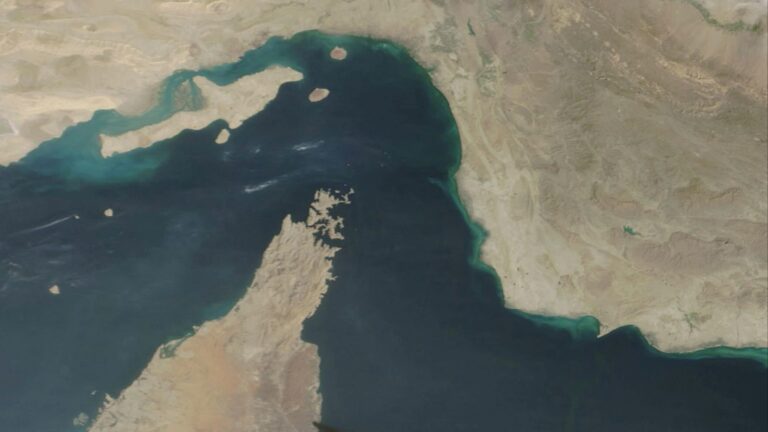
The immediate reaction in global commodity markets underscores the sensitivity of energy prices to Middle Eastern instability. Following the announcement of the strike, Brent crude futures experienced a sharp uptick, reflecting a "war premium" that has become a permanent fixture of energy trading in the current geopolitical climate. Market analysts suggest that while physical supply has not yet been disrupted, the psychological threshold of a direct Iran-Israel conflict creates a floor for prices that could hinder efforts by central banks to tame global inflation. If the conflict were to expand to the Strait of Hormuz—a narrow waterway through which approximately 20% of the world’s total oil consumption passes—the economic fallout would be catastrophic. Analysts at leading financial institutions have warned that a sustained closure or serious disruption of the strait could push oil prices well above $120 per barrel, triggering a global recessionary impulse.
Beyond the energy sector, the strike has profound implications for regional trade and investment. The Middle East has recently sought to position itself as a global hub for logistics, technology, and tourism, with initiatives like Saudi Arabia’s Vision 2030 and the expansion of the Abraham Accords between Israel and several Arab nations. A direct military escalation threatens to derail these economic diversification efforts. Sovereign risk premiums for countries in the Levant and the Persian Gulf have already begun to widen, as investors weigh the possibility of infrastructure damage and the flight of foreign capital. For Israel, the economic burden of a prolonged high-intensity conflict is substantial. The cost of mobilizing hundreds of thousands of reservists, coupled with the massive expenditure required for multi-layered missile defense systems like the Iron Dome and Arrow-3, places immense pressure on the national budget and GDP growth projections.
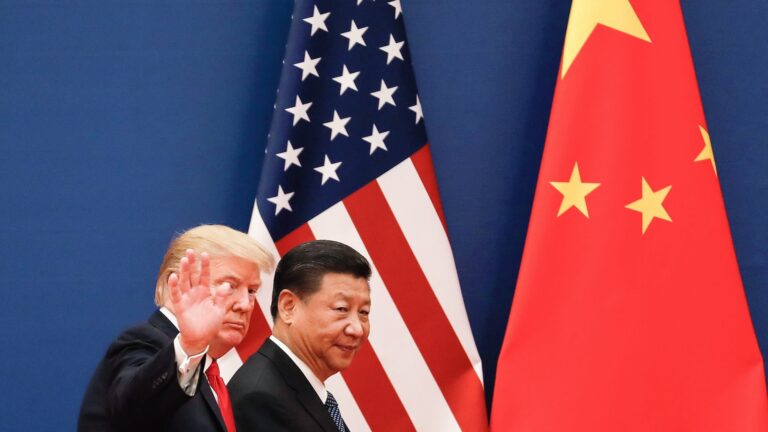
The geopolitical dimension of this strike is equally complex, involving a delicate balancing act for the United States, China, and Russia. For the Biden administration, the event complicates a broader strategy aimed at regional de-escalation and the eventual pivoting of military resources toward the Indo-Pacific. The U.S. finds itself in the difficult position of reaffirming its "ironclad" support for Israeli security while simultaneously urging restraint to prevent a regional war that would inevitably involve American forces. Conversely, Russia and China may view the escalating friction as an opportunity to weaken Western influence in the region. Moscow’s deepening military cooperation with Tehran, particularly in the realm of drone technology and aviation, suggests that any further escalation could see a more pronounced Russian involvement, potentially providing Iran with advanced air defense capabilities to counter future Israeli incursions.
From a strategic perspective, the death of a top security official creates a temporary vacuum in Iran’s external operations, but history suggests that such organizations are designed for institutional continuity. The Islamic Revolutionary Guard Corps (IRGC) has a deep bench of experienced commanders who have spent decades operating in unconventional warfare environments. The critical question for regional stability is how Tehran chooses to retaliate. A direct missile or drone attack from Iranian soil onto Israeli territory would represent a definitive break from historical norms, likely triggering a massive Israeli counter-response against Iranian infrastructure, including its nuclear facilities. Alternatively, Iran may choose to activate its "ring of fire," directing Hezbollah in Lebanon to unleash its arsenal of over 150,000 rockets, or encouraging Houthi rebels in Yemen to further disrupt Red Sea shipping lanes.
The maritime security crisis in the Red Sea already serves as a case study for the economic impact of regional instability. Since the onset of targeted attacks on commercial vessels, the cost of maritime insurance has surged, and major shipping lines have been forced to reroute vessels around the Cape of Good Hope. This detour adds approximately 10 to 14 days to transit times and significantly increases fuel costs and carbon emissions. A direct Iran-Israel conflict would likely exacerbate these disruptions, potentially affecting the Mediterranean and the Persian Gulf. The cumulative effect on global supply chains—ranging from automotive parts to consumer electronics—could mirror the logistical bottlenecks experienced during the COVID-19 pandemic, further complicating the global economic outlook for the coming years.
Domestically, the strike serves different political purposes for the leadership in both Jerusalem and Tehran. For the Israeli government, demonstrating the ability to reach high-value targets deep within enemy territory or in protected diplomatic environments provides a morale boost and reinforces a narrative of intelligence and military superiority. For the Iranian leadership, such losses are framed as martyrdom, used to galvanize domestic support and justify continued high levels of defense spending despite crippling international sanctions. However, both nations face significant internal pressures. Iran’s economy remains fragile, burdened by high inflation and social unrest, while Israel faces internal political divisions over the conduct of its various military campaigns and the long-term status of the Palestinian territories.
In the tech sector, the escalation highlights the increasing importance of electronic warfare and artificial intelligence in modern combat. Israel’s ability to locate and eliminate high-ranking officials suggests a level of technological surveillance and cyber-penetration that is world-leading. This has led to a surge in interest and investment in defense-tech startups, as nations worldwide seek to upgrade their own capabilities in response to the changing nature of warfare. The "battlefield testing" of new technologies in the Middle East continues to drive the global defense industry, with significant implications for military procurement cycles in Europe and Asia.
As the situation evolves, the role of regional mediators like Qatar, Egypt, and Oman becomes critical. These nations have historically served as backchannels for communication between adversaries who do not have formal diplomatic ties. Their ability to facilitate a "climb-down" or a calibrated response will determine whether this strike remains an isolated incident of tactical brilliance or the opening salvo of a generational conflict. The international community remains on high alert, recognizing that in the interconnected world of the 21st century, a single explosion in a Middle Eastern capital can reverberate through the boardrooms of New York, the factories of Shenzhen, and the oil refineries of Rotterdam.
Ultimately, the killing of Iran’s top security official is more than a military milestone; it is a geopolitical inflection point. It challenges the established doctrines of deterrence and forces every major global actor to reconsider their strategic calculus in the Middle East. While the immediate focus is on the tactical success of the operation, the true measure of its impact will be found in the coming months—in the fluctuations of the price of crude, the stability of international shipping lanes, and the ability of global diplomacy to prevent a regional spark from becoming a global wildfire. The world now waits to see if this move leads to a restoration of deterrence or an irreversible slide into a conflict with no clear exit strategy.