

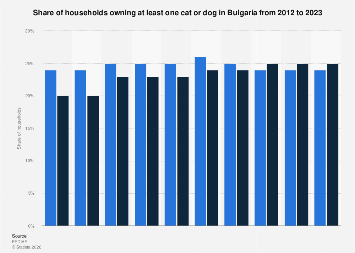
In 2023, Bulgaria’s households continued to demonstrate a strong affinity for companion animals, with cats and dogs remaining the most popular pets. While precise, officially aggregated national statistics for the exact percentage of households owning these animals can be elusive and often emerge from specialized market research, available data points to a consistent and significant presence of pets in Bulgarian homes. This trend not only reflects a deep-seated cultural connection with animals but also underpins a burgeoning pet economy, impacting consumer spending, veterinary services, and the broader retail landscape.
The ownership of cats and dogs in Bulgaria is influenced by a confluence of socio-economic factors, including rising disposable incomes, urbanization, and a growing awareness of the emotional and psychological benefits of pet companionship. As Bulgaria integrates further into the European Union, exposure to Western lifestyle trends, including the elevated status of pets as integral family members, has likely played a role. This shift is observable in consumer behavior, with a discernible increase in spending on premium pet food, specialized veterinary care, and a wider array of pet accessories and services.
Globally, pet ownership is a robust indicator of a nation’s economic development and its citizens’ quality of life. In more affluent Western European nations, for instance, pet ownership rates often exceed 50% of households, with dedicated markets for pet care products and services valued in the billions of euros. While Bulgaria’s pet ownership penetration might not yet mirror these advanced economies, the trajectory indicates a similar pattern of growth. The increasing adoption of pets, particularly among younger demographics and in urban centers, suggests a long-term expansion of this market segment.
The economic ripple effect of pet ownership in Bulgaria is multifaceted. The demand for pet food is a primary driver, with consumers increasingly opting for higher-quality, specialized diets that cater to specific breeds, ages, and health conditions. This has spurred growth for both domestic producers and international brands seeking to establish a foothold in the Bulgarian market. The veterinary sector also benefits significantly, with an increased emphasis on preventative care, vaccinations, and specialized treatments, reflecting a greater willingness among owners to invest in their pets’ long-term health.
Beyond food and healthcare, the market for pet accessories, toys, grooming products, and even pet-friendly accommodation and services is expanding. This segment, while perhaps smaller in absolute terms than the food and veterinary sectors, represents a significant area of growth potential. The rise of e-commerce platforms has further facilitated access to a wider range of products, empowering consumers with more choices and competitive pricing.
Understanding the precise statistics on household pet ownership in Bulgaria is crucial for businesses operating within or looking to enter this market. While exact figures for 2023 might be proprietary or embedded within broader market research reports, trends from previous years and the general economic climate provide a clear picture. For example, data from preceding years often indicated that a substantial portion of Bulgarian households, potentially ranging from 30% to 45%, own at least one pet, with dogs and cats comprising the vast majority of this demographic. This consistent presence suggests that the 2023 figures likely maintained or even slightly increased this proportion.
The economic impact extends beyond direct consumer spending. The pet industry generates employment opportunities across various sectors, from manufacturing and distribution of pet products to veterinary services, animal training, and pet sitting. As the market matures, specialized roles and businesses are likely to emerge, further contributing to the national economy. Moreover, the emotional well-being aspect of pet ownership, while harder to quantify economically, contributes to societal health and happiness, indirectly influencing productivity and reducing healthcare burdens related to loneliness and stress.
Comparing Bulgaria to its regional neighbors offers further context. Many Central and Eastern European countries have witnessed similar trends of increasing pet ownership and a corresponding growth in the pet care market, driven by economic progress and evolving consumer preferences. This regional convergence suggests that the factors driving pet ownership are not unique to Bulgaria but are part of a broader socio-economic transformation across the post-communist bloc.
However, challenges remain. Ensuring access to affordable and high-quality veterinary care across all regions of Bulgaria, particularly in rural areas, is an ongoing concern. Furthermore, responsible pet ownership initiatives, including spaying and neutering programs and education on animal welfare, are crucial to managing stray populations and ensuring the well-being of the animals themselves. The ethical considerations surrounding the pet trade and the welfare of animals in breeding facilities also warrant continued attention and regulatory oversight.
In conclusion, the data, though often granular and requiring specialized access, points to a robust and growing companion animal sector in Bulgaria. The persistent presence of cats and dogs in Bulgarian households in 2023 is not merely a reflection of pet ownership trends but a significant economic indicator. It signifies a dynamic market with considerable potential for growth, influencing consumer spending patterns, driving innovation in product and service offerings, and contributing to the broader economic fabric of the nation. As Bulgaria continues its economic development, the bond between its citizens and their pets is likely to deepen, further solidifying the importance of the companion animal economy.