
The geopolitical volatility currently simmering in the Middle East has sent tremors through global commodity exchanges, but while the initial headlines have focused on the fluctuating price of crude oil, a far more rigid and vulnerable market is bracing for a potential catastrophe. While the Strait of Hormuz has long been characterized as the world’s most critical oil chokepoint, the modern energy landscape has evolved to make the waterway equally, if not more, vital for the global liquefied natural gas (LNG) trade. Unlike the crude oil market, which possesses a degree of infrastructural redundancy and a diversified global production base, the LNG sector is defined by extreme concentration and a total reliance on maritime transit. As traffic in the Strait slows to a near-halt following recent escalations, the prospect of a prolonged closure threatens to trigger an energy crisis that could eclipse the supply shocks of the 1970s, fundamentally altering the economic trajectory of both Europe and Asia.
The gravity of the situation is underscored by the sheer volume of energy passing through this narrow maritime corridor. Approximately 20% of the world’s total LNG supply transits the Strait of Hormuz, with the vast majority originating from Qatar, the world’s leading exporter of the super-chilled fuel. The fragility of this supply chain was laid bare last week when Qatar was forced to halt production following a targeted drone attack attributed to Iranian-aligned forces. The market reaction was instantaneous and severe. European natural gas futures surged by 63% in a single week, marking the most dramatic price appreciation since the chaotic early days of the Russian invasion of Ukraine in 2022. In Asia, where the dependence on Middle Eastern gas is even more pronounced, prices climbed to $23.40 per million British thermal units (MMBtu). This price spike reflects a desperate scramble for alternative cargoes, leading to the unusual phenomenon of LNG tankers performing mid-ocean "U-turns," abandoning European destinations to chase higher premiums in the Asian spot market.
The primary reason why LNG faces a more existential threat than oil lies in the disparity of transport infrastructure. Over the past several decades, major oil producers like Saudi Arabia and the United Arab Emirates have invested billions of dollars in overland pipelines designed specifically to bypass the Strait of Hormuz. These pipelines, such as the East-West Crude Oil Pipeline in Saudi Arabia, allow millions of barrels of oil per day to reach terminals on the Red Sea, effectively insulating a portion of global supply from a Persian Gulf blockade. No such contingency exists for natural gas. To be traded globally, gas must be cooled to -162 degrees Celsius, converted into a liquid, and loaded onto specialized cryogenic tankers. There are no transcontinental pipelines capable of moving Qatari gas to alternative ports outside the Gulf. If the Strait is closed, the gas is effectively trapped, with no secondary route to market.
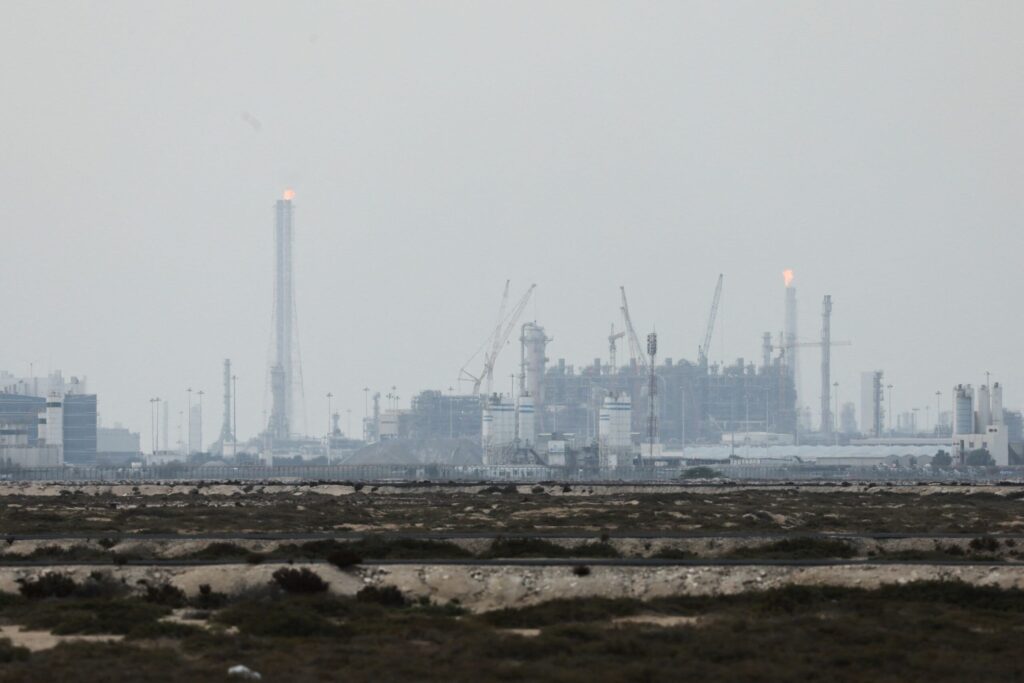
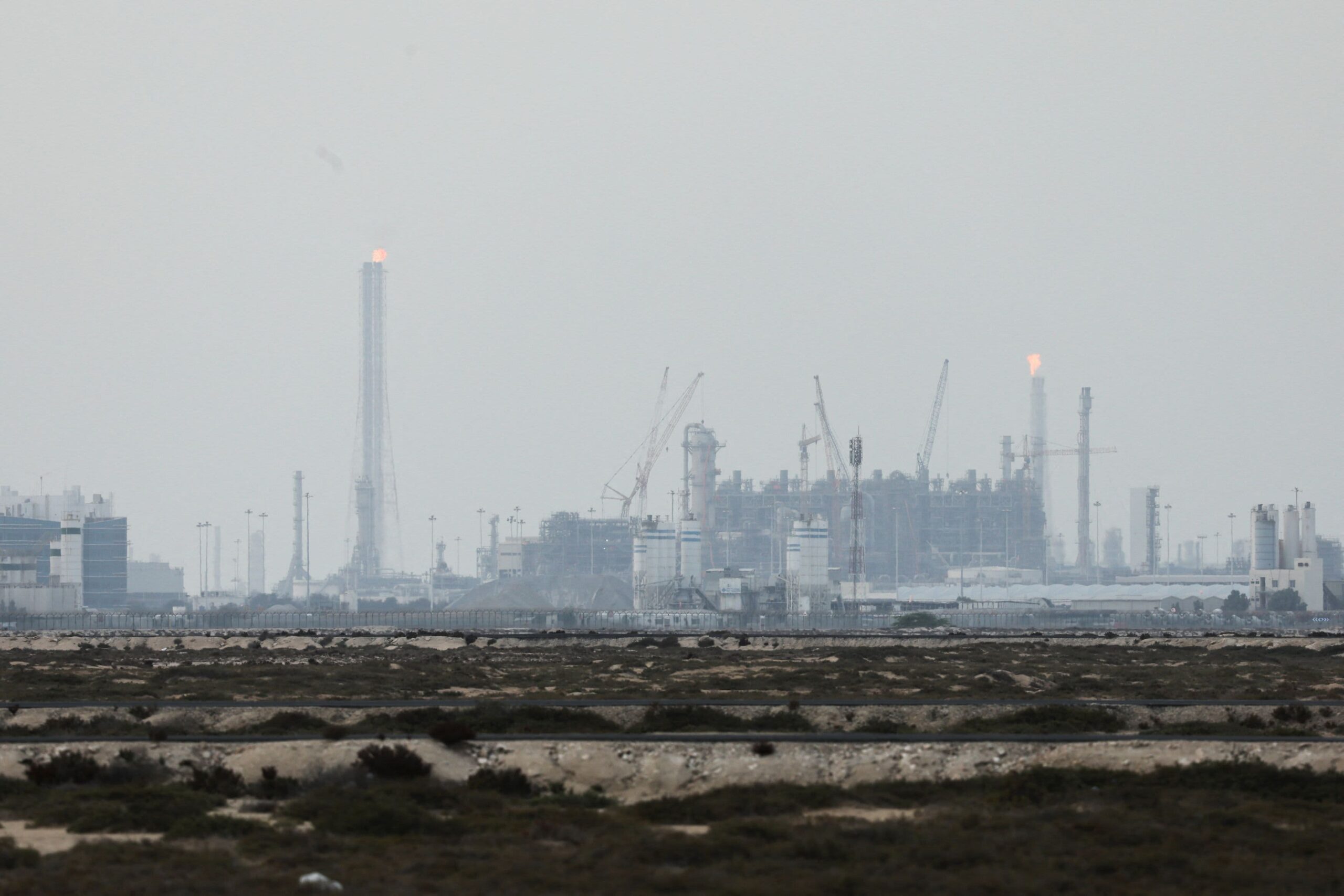
Furthermore, the geographical concentration of LNG production creates a "single point of failure" that does not exist in the more fragmented oil market. While oil is extracted from thousands of wells across dozens of countries in the region, the heart of the global LNG trade is concentrated in a single industrial complex: Ras Laffan in Qatar. This massive facility handles the output from the North Field, the world’s largest non-associated gas reservoir. Industry analysts note that while an adversary would need to strike dozens of targets to significantly cripple Middle Eastern oil exports, a concentrated strike on Ras Laffan could effectively decapitate 20% of the global LNG market. Experts at Rapidan Energy have described the complex as a "sitting duck," noting that the industrial density of the site makes it nearly impossible to defend fully against a sustained or sophisticated aerial assault.

The technical complexity of LNG production also dictates a much slower recovery time compared to oil. Extracting crude oil is largely a mechanical process; once a well is reopened and pressure is restored, flow can resume relatively quickly. LNG production, however, is a high-precision industrial process that relies on massive refrigeration "trains" to liquefy the gas. These facilities are sensitive to sudden shutdowns and require a methodical, weeks-long process to safely restart. If the Ras Laffan complex were to go completely offline—something that has never happened in its history—the global market would face a supply vacuum that could last for a month or more, even after the security situation in the Strait was resolved. Shipping companies would also require 100% certainty regarding the safety of the passage before committing vessels. An LNG tanker is a $250 million asset carrying a cargo worth tens of millions more; insurance premiums for transiting a contested Strait would likely become prohibitively expensive, effectively extending the blockade even after hostilities cease.
This supply crunch arrives at a time when the global "buffer" for natural gas is historically thin. The United States has risen to become a titan of LNG exports, yet American liquefaction terminals are currently operating at maximum nameplate capacity. There is virtually no "spare capacity" in the global gas system to compensate for the loss of Qatari volumes. Unlike the oil market, where the International Energy Agency (IEA) maintains strategic petroleum reserves that can be released to stabilize prices, strategic gas reserves are much smaller and are often held in gaseous form in underground salt caverns, primarily for seasonal heating demand rather than long-term supply disruptions.
The economic fallout of a prolonged LNG shortage would be felt most acutely in the industrial sectors of the world’s major economies. In Europe, which has spent the last two years pivoting away from Russian pipeline gas toward global LNG, a Qatari outage would force a return to "demand destruction." This is a polite economic term for the involuntary shuttering of chemical plants, steel mills, and fertilizer factories that can no longer afford the energy required to operate. In Asia, nations like Japan and South Korea, which lack domestic energy resources, would face the prospect of rolling blackouts or a forced return to coal-fired power generation, reversing years of progress on carbon reduction goals. The shift back to coal is already being discussed as a grim necessity; if gas becomes unavailable or unaffordable, the relatively inexpensive but carbon-intensive fuel becomes the only viable alternative for maintaining the power grid.
The strategic calculus of the region has also been shifted by the delay of QatarEnergy’s massive expansion projects. The company had planned to increase its production capacity from 77 million tons per year to 126 million tons by the end of the decade. However, in light of the recent drone attacks and the heightened risk environment, these expansion plans have been pushed back to at least 2027. This delay ensures that the global market will remain "tight" for longer than previously anticipated, leaving little room for error or further geopolitical shocks.
As the international community monitors the naval movements in the Strait of Hormuz, the focus is shifting from the price of a barrel of Brent crude to the availability of the next LNG cargo. The current crisis has exposed a fundamental paradox in the global energy transition: as the world moves toward natural gas as a "bridge fuel" to a cleaner future, it has inadvertently tied its economic stability to one of the most volatile geographic chokepoints on the planet. The concentration of production in a single facility and the lack of alternative transport routes have made LNG the new "Achilles’ heel" of the global economy. Without a diplomatic de-escalation or a radical rethink of energy logistics, the "sitting duck" of Ras Laffan remains the most significant threat to global energy security in the twenty-first century. For now, the world waits to see if the warning shots fired across the bow of the LNG market will lead to a full-scale paralysis of the world’s most critical gas artery.