

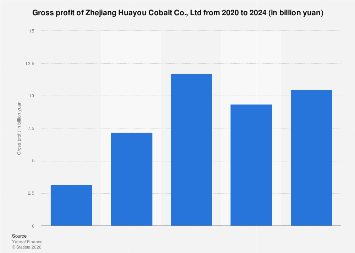
Zhejiang Huayou Cobalt Co., Ltd., a pivotal player in the global battery materials supply chain, is navigating a complex economic landscape characterized by surging demand for electric vehicles (EVs) and persistent supply chain uncertainties. While precise, up-to-the-minute gross profit figures for 2024 often reside within proprietary financial databases, an analysis of the company’s historical performance, market trends, and strategic positioning provides critical insights into its likely financial trajectory and the factors influencing its profitability. Understanding Huayou Cobalt’s financial health is not merely about a single metric; it’s about deciphering the intricate interplay of raw material prices, geopolitical influences, technological advancements, and the insatiable appetite for lithium-ion batteries powering the global energy transition.
The core of Huayou Cobalt’s business lies in its comprehensive vertical integration, spanning from the mining and refining of essential battery metals like cobalt and nickel to the production of cathode precursor materials. This strategic advantage allows the company to exert greater control over its cost structure and supply chain, a crucial differentiator in an industry prone to price shocks. Cobalt, a critical component in high-nickel cathode chemistries that enhance battery energy density and range, has historically been subject to significant price volatility. This volatility is driven by a confluence of factors, including the geopolitical concentration of its mining in the Democratic Republic of Congo (DRC), labor practices, and the fluctuating demand from the burgeoning EV sector.
For a company like Huayou Cobalt, gross profit is a direct reflection of its ability to manage the spread between the revenue generated from selling its refined metals and precursor materials and the direct costs associated with their production. These direct costs encompass raw material procurement, energy consumption for smelting and refining, labor directly involved in production, and factory overheads. The price of cobalt, in particular, is a dominant factor. When cobalt prices surge, and Huayou Cobalt can pass these costs on to its customers in the form of higher product prices, its gross profit margin can expand. Conversely, a sharp decline in cobalt prices, without a commensurate reduction in production costs or selling prices, can compress margins.
Statistics from recent years have painted a picture of robust growth for Huayou Cobalt, mirroring the explosive expansion of the global EV market. As governments worldwide implement ambitious decarbonization targets and automotive manufacturers aggressively pivot towards electrification, the demand for battery raw materials has skyrocketed. This heightened demand has, at times, outstripped supply, leading to elevated prices for key commodities like cobalt and nickel. Huayou Cobalt, with its substantial production capacity and established customer relationships with major battery manufacturers and automotive OEMs, has been well-positioned to capitalize on this trend. For instance, reports from industry analysts have frequently highlighted the company’s significant market share in key battery precursor segments, underscoring its importance in the global supply chain.
However, the narrative of profitability is not solely dictated by demand. The cost side of the equation is equally, if not more, critical for sustained gross profit. Huayou Cobalt’s investments in upstream mining assets and its development of advanced refining technologies are strategic moves aimed at mitigating cost volatility and improving operational efficiency. The company’s diversification into nickel, another essential battery metal, also plays a crucial role. Nickel prices, while also subject to market fluctuations, offer a complementary revenue stream and can help buffer the impact of volatility in the cobalt market. The increasing prevalence of high-nickel, low-cobalt battery chemistries in the EV sector further amplifies the strategic importance of its nickel operations.
Expert insights from market research firms specializing in the battery materials sector often point to the increasing importance of "responsible sourcing" and "sustainability" as factors influencing profitability. Huayou Cobalt, like its global peers, faces growing scrutiny regarding the environmental and social impact of its mining and refining operations. Investments in cleaner production processes, ethical labor practices, and transparent supply chain management are no longer just corporate social responsibility initiatives; they are becoming prerequisites for securing contracts with major Western automotive companies that are increasingly committed to sustainable supply chains. Failure to meet these evolving standards can result in lost business opportunities and, consequently, impact gross profit.
Furthermore, the competitive landscape is intensifying. While Huayou Cobalt is a leading player, numerous other Chinese and international companies are vying for market share in the battery materials space. Innovations in battery technology, such as the development of solid-state batteries or alternative cathode chemistries that reduce or eliminate the reliance on cobalt, could also present long-term challenges and opportunities. A company’s ability to adapt to these technological shifts and to maintain cost competitiveness will be paramount to its ongoing profitability.
Analyzing Huayou Cobalt’s financial performance also requires considering its geographical diversification and global footprint. While its origins are in China, the company has expanded its operations and sourcing networks internationally. This global presence can offer advantages in terms of accessing diverse raw material sources and serving a broader customer base. However, it also exposes the company to a wider array of geopolitical risks, currency fluctuations, and varying regulatory environments, all of which can influence production costs and revenue streams, thereby impacting gross profit.
In the context of 2024, several macro-economic trends are likely to shape Huayou Cobalt’s financial performance. Global inflation, particularly concerning energy and logistics, could put upward pressure on production costs. Interest rate hikes in major economies might affect consumer spending on EVs, potentially moderating demand growth. Conversely, continued government incentives for EV adoption and significant investments in battery manufacturing capacity globally are expected to provide a strong underlying demand for Huayou Cobalt’s products. The company’s ability to secure long-term supply agreements at favorable terms, to optimize its operational efficiencies through technological advancements, and to manage the procurement of key raw materials effectively will be crucial determinants of its gross profit in the current fiscal year. Without direct access to the proprietary 2024 figures, industry analysts often rely on a combination of company disclosures, market intelligence, and macroeconomic forecasts to project profitability. The consistent investment in research and development, capacity expansion, and vertical integration suggests a strategic intent to maintain and grow market share, which, in turn, implies a focus on optimizing gross profit margins through a combination of scale, efficiency, and market positioning.