

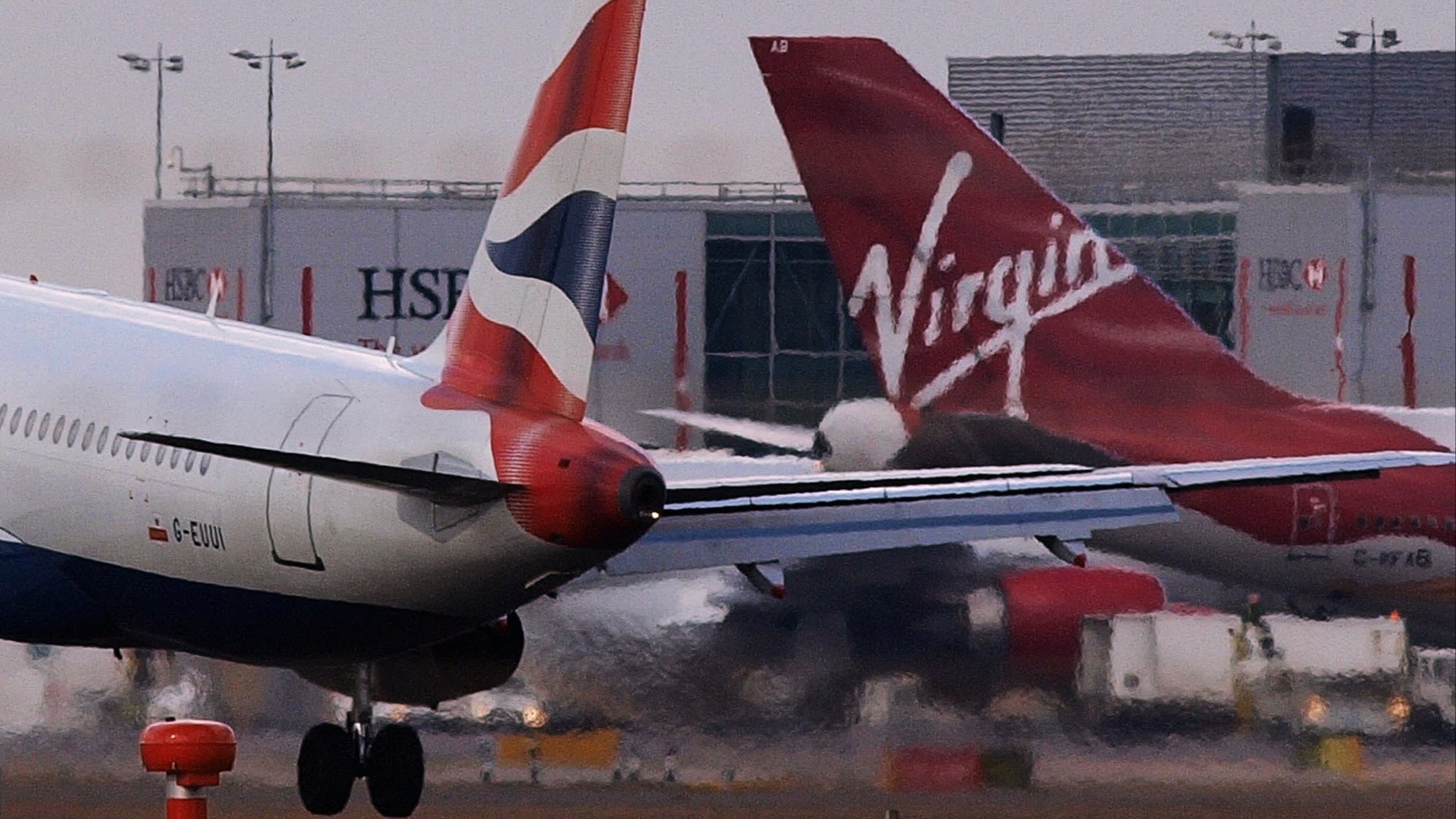
In the high-stakes theater of international aviation, the battle for the "premium" passenger has reached a fever pitch, with Virgin Atlantic now executing a sophisticated tactical maneuver designed to erode the long-standing dominance of British Airways. Industry analysts and internal projections suggest that Virgin Atlantic is currently on track to successfully "poach" tens of thousands of frequent flyers from its larger rival, leveraging a combination of aggressive status-match offers, enhanced alliance benefits, and a perceived gap in service consistency at the UK’s flag carrier. This shift represents more than just a marketing skirmish; it is a fundamental realignment of passenger loyalty in the post-pandemic era, where the traditional "moats" protecting legacy carriers are increasingly under siege.
The centerpiece of this strategy is Virgin Atlantic’s revitalized Flying Club, which has transitioned from a niche boutique offering into a formidable global player following the airline’s formal entry into the SkyTeam alliance in early 2023. By joining forces with global titans like Delta Air Lines and Air France-KLM, Virgin has effectively neutralized the primary criticism leveled against it for decades: a limited route network. For a British Airways Executive Club member, the decision to switch was historically hindered by BA’s massive reach through the Oneworld alliance. Today, however, a Virgin Atlantic frequent flyer enjoys reciprocal benefits across a network of over 1,000 destinations, making the jump from BA’s "Avios" ecosystem to Virgin’s "Points" environment more viable than ever before.
Economic data from the aviation sector suggests that the timing of this offensive is meticulously calculated. As the initial surge of "revenge travel" begins to stabilize into a more permanent "premium leisure" trend, the value of high-net-worth individuals and corporate travelers has skyrocketed. While economy class fills the fuselage, it is the occupants of the business and first-class cabins who provide the lion’s share of an airline’s profit margins. In the case of the lucrative London-to-New York corridor—often cited as the world’s only billion-dollar air route—the competition for these "high-yield" passengers is particularly fierce. Virgin Atlantic’s internal data indicates a significant uptick in applications for its status-match program, which allows BA Silver and Gold cardholders to bypass years of point-accumulation and immediately access Virgin’s flagship "Clubhouse" lounges and priority services.
The vulnerability of British Airways in this context cannot be understated. While IAG (International Airlines Group), the parent company of BA, has reported strong financial recoveries, the airline has been plagued by a series of operational headwinds that have dented its "premium" image. Recurring IT outages that grounded hundreds of flights, staffing shortages at Heathrow, and a perceived decline in on-board catering and cabin maintenance have created a "loyalty vacuum." In the world of business journalism, this is known as a "churn risk." When a customer who spends £20,000 a year on premium tickets experiences three consecutive service failures, their emotional attachment to a brand dissolves. Virgin Atlantic, led by CEO Shai Weiss, has positioned itself as the agile, service-oriented alternative, focusing heavily on the "human touch" and a consistent Upper Class product to capitalize on this dissatisfaction.
Furthermore, the economics of loyalty programs have evolved. Modern airlines are no longer just transportation companies; they are effectively fintech entities that happen to fly planes. The valuation of loyalty programs often exceeds the market capitalization of the airlines themselves. For example, during the liquidity crisis of the pandemic, major US carriers used their frequent flyer programs as collateral for multi-billion dollar loans. By poaching tens of thousands of BA’s most frequent flyers, Virgin Atlantic is not just filling seats for the next quarter; it is acquiring "Customer Lifetime Value" (CLV). These are passengers who will carry Virgin-branded credit cards, book through Virgin’s holiday portals, and provide a steady stream of data that allows for hyper-personalized marketing.
From a global perspective, this rivalry mirrors the broader consolidation and competition within the three major airline alliances: Oneworld, SkyTeam, and Star Alliance. For years, British Airways enjoyed a near-monopoly on the UK’s premium loyalty market. However, the "SkyTeam effect" has provided Virgin Atlantic with the scale necessary to compete on a level playing field. Expert insights from aviation consultants suggest that the "poaching" phenomenon is also driven by the increasing transparency of reward seat availability. Frequent flyers have grown frustrated with the "black box" nature of redeeming Avios on popular BA routes. Virgin has responded by guaranteeing a minimum number of reward seats on every single flight, a move that directly addresses the primary pain point of the modern loyalty member.
The impact of this migration extends to the corporate travel sector as well. Large multinational corporations, once tethered to British Airways through exclusive corporate contracts, are increasingly adopting "multi-carrier" strategies to ensure employee satisfaction and cost-efficiency. If a company’s senior executives prefer the Virgin Atlantic "Upper Class" experience or find the "Clubhouse" environment more conducive to productivity than BA’s "Galleries" lounges, procurement departments are now more likely to split their spend. This shift in corporate sentiment is a trailing indicator of the brand erosion BA is currently fighting to reverse.
However, British Airways is not standing still. Under the leadership of CEO Sean Doyle, the airline has announced a massive £7 billion transformation plan. This includes investments in new cabins, upgraded IT infrastructure, and a renewed focus on operational resilience. BA’s advantage remains its sheer scale; it operates more than 250 aircraft compared to Virgin’s fleet of roughly 45. For many travelers, the convenience of BA’s schedule—offering ten or more flights a day on key routes compared to Virgin’s two or three—is a utility that loyalty perks cannot always overcome. The "poaching" of tens of thousands of members is a significant blow, but in the context of BA’s millions of Executive Club members, it is a wound that the carrier believes it can heal through its massive capital expenditure program.
The economic implications of this battle also ripple through the London Heathrow ecosystem. As both airlines vie for the same high-value slots and passengers, the airport itself becomes a theater of luxury. The "lounge wars" have seen both carriers invest millions in ground services, recognizing that the journey begins long before the aircraft leaves the tarmac. This competition drives innovation, benefiting the consumer through better amenities, improved digital interfaces, and more competitive pricing in the premium segments.
Looking ahead, the success of Virgin Atlantic’s "poaching" strategy will depend on its ability to maintain its "cool" brand image while operating at a higher volume. There is always a risk that as a boutique carrier grows, it loses the very intimacy and service quality that attracted defectors in the first place. Conversely, for British Airways, the challenge is to prove that it can still provide a "British" luxury experience that feels modern and reliable, rather than dated and bureaucratic.
In summary, the movement of tens of thousands of frequent flyers from British Airways to Virgin Atlantic is a landmark event in the UK aviation market. It signals a shift from "loyalty by default" to "loyalty by merit." As Virgin Atlantic leverages its SkyTeam membership and BA embarks on its multi-billion pound "back-to-basics" transformation, the transatlantic market is set to remain the world’s most competitive arena for premium travel. For the passengers caught in the middle, this rivalry is a net positive, ushering in a new era of status-match opportunities, better reward availability, and a renewed focus on the customer experience. The battle for the skies over the North Atlantic has moved from the cockpit to the loyalty ledger, and for now, Virgin Atlantic appears to have the momentum.