

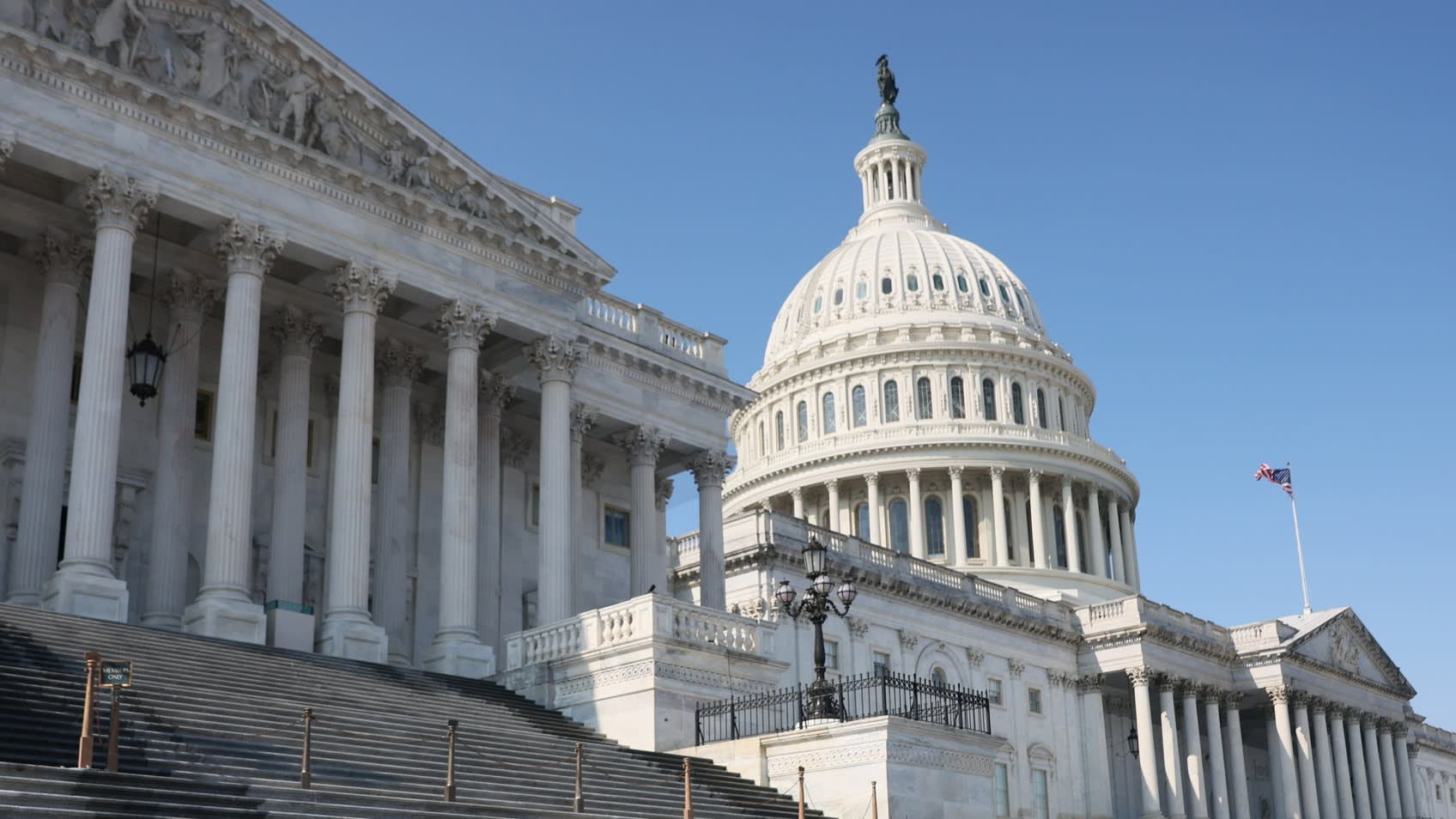
In a decisive legislative maneuver that signals a growing rift between the executive and legislative branches over international trade policy, the United States House of Representatives has voted to overturn a series of sweeping tariffs recently proposed against Canada. The move, which saw a notable coalition of lawmakers from both sides of the aisle, represents a significant challenge to the protectionist agenda of the Trump administration and highlights the profound economic interdependencies that define the North American continent. By striking down these trade barriers, the House has prioritized the stability of integrated supply chains and the continuity of the United States-Mexico-Canada Agreement (USMCA) over the administration’s use of tariffs as a primary tool for geopolitical leverage.
The legislative pushback comes at a critical juncture for the North American economy. The proposed 25% blanket tariffs on Canadian imports were originally framed as a mechanism to compel Ottawa into stricter border enforcement and more aggressive measures against the flow of illicit substances. However, the House’s intervention underscores a prevailing consensus among economists and industry leaders that such measures would inflict disproportionate damage on the American domestic economy. With bilateral trade between the two nations exceeding $2.5 billion per day, Canada remains the largest export market for more than 30 U.S. states. The House vote effectively acknowledges that a trade war with Canada would not merely be a foreign policy dispute, but an act of self-inflicted economic volatility.
The economic rationale behind the House’s decision is rooted in the deeply integrated nature of the "just-in-time" manufacturing processes that span the 49th parallel. Perhaps nowhere is this more evident than in the automotive sector. Modern vehicle production relies on components that may cross the U.S.-Canada border as many as seven times before a finished automobile rolls off the assembly line. Industry analysts had warned that a 25% tariff would add an average of $3,000 to $5,000 to the price of a new vehicle for American consumers, further fueling inflationary pressures at a time when the Federal Reserve is struggling to stabilize the cost of living. By overturning the tariffs, the House has shielded the automotive heartlands of the Midwest from what many lawmakers characterized as a "tax on the American middle class."
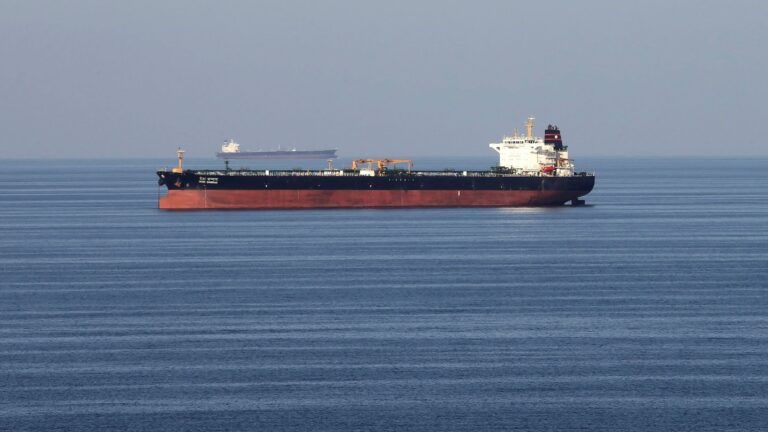
Beyond the manufacturing sector, the agricultural and energy industries stood to face immediate and severe disruption. Canada is the primary source of foreign energy for the United States, supplying more than 4.3 million barrels of crude oil per day and significant quantities of electricity and natural gas. Economists pointed out that taxing these essential imports would lead to a direct spike in heating costs and gasoline prices across the northern tier of the United States. Furthermore, the agricultural sector, already grappling with fluctuating commodity prices, feared a cycle of retaliatory tariffs from Ottawa. Historically, Canadian retaliation has targeted sensitive American exports such as dairy, pork, and prepared foods, often strategically focusing on regions represented by key political figures.
The House’s action also touches upon a broader constitutional debate regarding the balance of power in trade policy. Since the mid-20th century, Congress has increasingly delegated trade authority to the executive branch, most notably through Section 232 of the Trade Expansion Act of 1962 and the International Emergency Economic Powers Act (IEEPA). However, the recent vote signals a desire within the House to reclaim its Article I authority "to regulate commerce with foreign nations." Lawmakers argued that the use of national security justifications to impose tariffs on a NATO ally and the nation’s closest trading partner was an overextension of executive privilege that threatened the rules-based international order.
Global markets reacted with a measure of relief following the House vote. The Canadian dollar, which had experienced significant downward pressure and volatility in the wake of the initial tariff threats, saw a modest recovery as investors reassessed the likelihood of a full-scale trade conflict. Market analysts suggest that while the House vote is a significant hurdle for the administration, the threat of executive action continues to cast a shadow of "policy uncertainty" over North American equities. This uncertainty often results in deferred capital expenditures by multinational corporations, who remain hesitant to invest in long-term infrastructure if the legal framework of the USMCA remains subject to sudden executive shifts.
The political dynamics within the House were particularly telling. While the vote saw strong support from the Democratic caucus, a substantial number of Republicans from border states and manufacturing hubs broke ranks with the White House. These representatives were reportedly pressured by local Chambers of Commerce and labor unions alike, both of whom viewed the tariffs as an existential threat to regional employment. This rare moment of bipartisanship reflects the reality that trade with Canada is not a partisan issue in the American heartland; it is a fundamental pillar of local economies from Washington State to Maine.
From the Canadian perspective, the House vote offers a temporary reprieve but does not entirely eliminate the diplomatic tension. Prime Minister Justin Trudeau’s government has been engaged in a multi-pronged "Team Canada" strategy, dispatching provincial premiers and cabinet ministers to Washington and various state capitals to lobby American counterparts. Ottawa has consistently argued that Canada is not the source of the issues the administration seeks to address, pointing out that Canada is the top destination for U.S. goods, more than China, Japan, and the UK combined. The House’s decision to overturn the tariffs suggests that this message of mutual prosperity has resonated with a majority of American legislators.
However, the path forward remains complex. The administration still retains various executive tools, and the 2026 scheduled review of the USMCA—often referred to as the "sunset clause"—provides a looming platform for renewed trade friction. Legal experts anticipate that the White House may challenge the House’s authority to overturn these specific trade actions, potentially leading to a protracted battle in the federal courts. Such a scenario would further complicate the business environment, as companies would have to navigate a landscape of shifting legalities and potential retroactive duties.
The broader economic impact of this legislative tug-of-war extends to the global stage. As the world’s largest economy, the United States’ trade posture sets the tone for global protectionism. Had the tariffs on Canada been allowed to stand, it would have signaled a definitive end to the era of North American exceptionalism in trade, potentially encouraging other nations to adopt similar "tit-for-tat" strategies. By intervening, the House has reinforced the idea that trade agreements like the USMCA are binding commitments rather than optional guidelines, a stance that is vital for maintaining the U.S.’s credibility as a reliable economic partner.
In the final analysis, the House of Representatives’ vote to overturn the Canadian tariffs is more than a simple legislative disagreement; it is a defense of the integrated North American economic model. The move recognizes that in a world of complex, globalized value chains, the distinction between "foreign" and "domestic" goods is increasingly blurred. As the legislation moves toward the Senate, the focus will remain on whether the American government can reconcile its domestic political objectives with the economic realities of a continent that has spent three decades becoming a singular, powerhouse market. For now, the House has chosen to prioritize the $1.2 trillion in annual trade that sustains millions of jobs on both sides of the border, opting for cooperation over a potentially devastating trade war.