



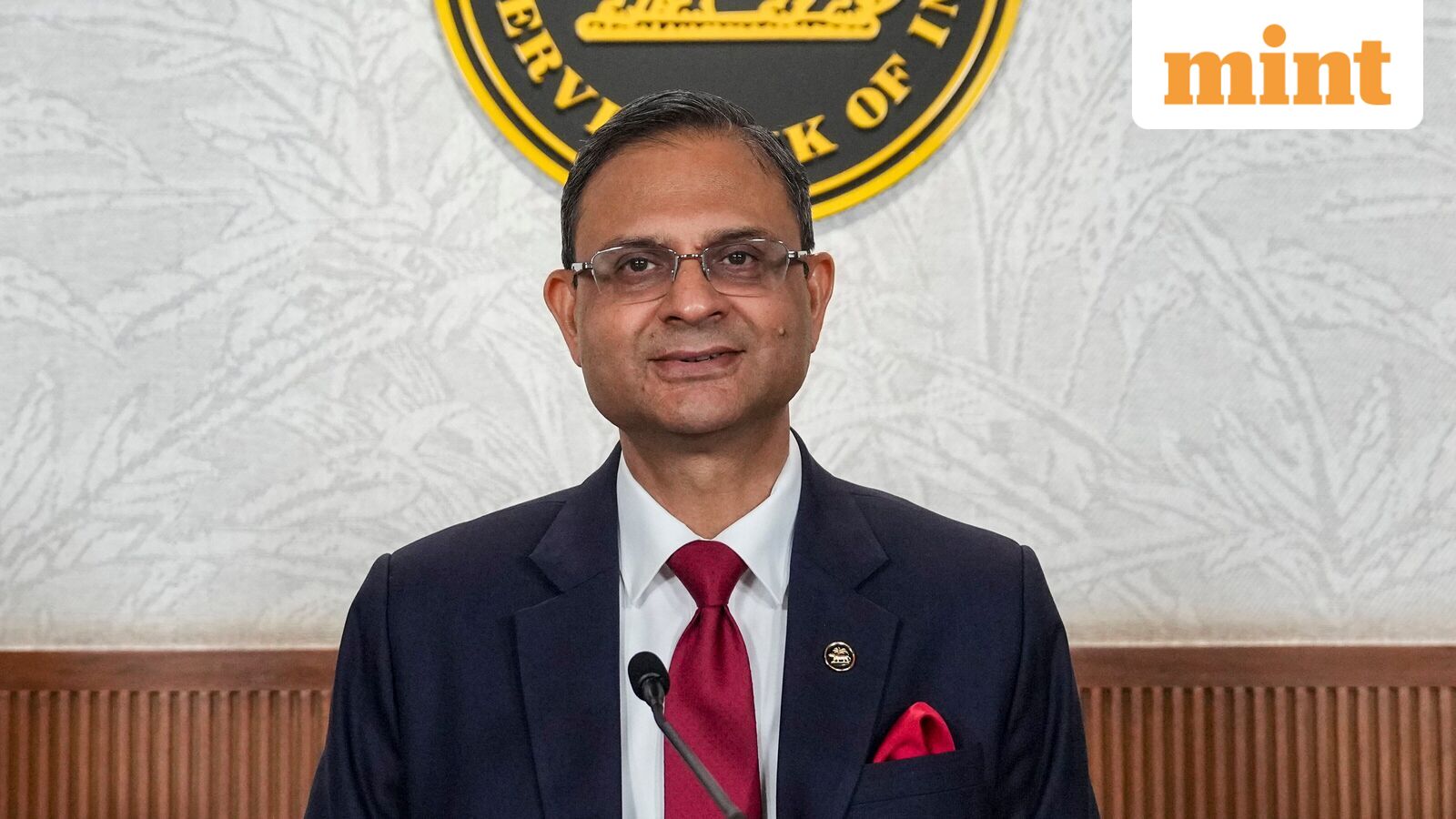
The Reserve Bank of India (RBI) has unveiled a significant policy shift, opening a crucial new funding channel for the nation’s burgeoning real estate sector by allowing commercial banks to lend directly to Real Estate Investment Trusts (REITs). This landmark decision, announced by Governor Sanjay Malhotra, marks the end of a prolonged regulatory asymmetry that had previously disadvantaged REITs compared to their infrastructure counterparts, Infrastructure Investment Trusts (InvITs), for years. By granting access to traditional bank credit, the central bank is poised to inject much-needed liquidity and offer a more cost-effective financing alternative to the often-pricier bond and commercial paper markets that REITs have historically relied upon for their growth ambitions.
This regulatory evolution is not merely a technical adjustment; it represents a strategic pivot designed to deepen India’s financial markets and bolster its capital-intensive real estate industry. REITs, as regulated instruments that own and operate income-generating properties, are structured to distribute a substantial portion—at least 90%—of their cash flows to unitholders. While they have steadily gained traction among global and domestic institutional investors seeking exposure to India’s profitable property market, widespread retail participation has remained relatively nascent. The initial conceptualization of both REITs and InvITs in India aimed to free up banks’ capital, which was often tied up in financing completed and operational real estate and infrastructure projects, by allowing these exposures to be refinanced through pooled funds from institutional and retail investors. However, a glaring discrepancy persisted: InvITs were granted access to bank borrowing as early as 2019, leaving REITs to navigate a more constrained and often more expensive financing landscape.
The implications of this historical disparity were profound. Without direct bank lending, REITs were compelled to rely heavily on equity issuances, the public bond market, and more volatile, shorter-tenor debt instruments like commercial paper. This not only raised their overall cost of capital but also presented challenges in securing the long-term funding essential for real estate assets, which inherently have extended investment horizons. For instance, while debt securities issued by REITs were typically subscribed by mutual funds and Non-Banking Financial Companies (NBFCs), these investors often preferred instruments with a tenor of 3-5 years, creating a mismatch with the longer-term capital requirements of real estate projects. The Indian REITs Association has explicitly highlighted this as a significant hurdle, noting that access to bank credit would enable these vehicles to secure the necessary long-term funding, thereby making their financing structures more efficient.
The RBI’s decision stems from a comprehensive review and an acknowledgment of the robust regulatory and governance framework already in place for listed REITs. This confidence underscores the central bank’s belief in the maturity and transparency of the Indian REIT market. India’s mainboard-listed REITs, sponsored by prominent developers and private equity funds such as Blackstone, Brookfield, Embassy Group, K Raheja Corp., and Sattva Group, include Embassy Office Parks REIT, Mindspace Business Parks REIT, Brookfield India Real Estate Trust, Nexus Select Trust, and the recently launched Knowledge Realty Trust. These entities manage vast portfolios of high-quality commercial assets, predominantly office spaces, retail malls, and logistics parks, which are well-positioned to attract institutional debt. Alongside this, the RBI has also indicated its intention to harmonize existing guidelines for lending to InvITs, ensuring parity with the prudential safeguards proposed for REITs, thereby creating a more consistent regulatory environment across these pooled investment vehicles. Draft directions for public consultation are expected to be issued shortly, outlining the specific operational parameters and safeguards.
Industry leaders have lauded the RBI’s move as a pivotal moment for the financial ecosystem. Salee S. Nair, chief executive at Tamilnad Mercantile Bank, remarked that permitting banks to lend to REITs signifies a maturing financial landscape where long-term capital, disciplined asset monetization, and robust balance sheet management can effectively coexist. Shishir Baijal, chairman and managing director of Knight Frank India, emphasized that while Indian REITs have traditionally relied on capital market issuances and sponsor-backed financing, access to bank credit will serve as an additional, diversified funding avenue, enhancing refinancing flexibility and potentially lowering the overall cost of debt. This is expected to translate into more competitive financing costs, which can improve REITs’ operational efficiency and potentially boost distributions to unitholders, making them even more attractive to investors.
The timing of this policy change aligns with ambitious growth projections for the Indian REIT market. A Vestian report from January 2026 anticipates India’s REIT market capitalization to soar to $25 billion by 2030, a substantial increase from $18 billion projected for 2025. Furthermore, the report estimates that REIT-eligible office stock alone could double from ₹8.2 trillion in 2025 to ₹16 trillion by 2030, with retail and alternative asset classes also poised for significant scaling. However, despite this impressive growth trajectory, India’s REIT market currently represents only about 20% of its institutional real estate, which is considerably lower than mature markets such as the United States, Singapore, and Japan. In these economies, REITs often constitute a much larger proportion of institutional property ownership, benefiting from decades of established market infrastructure, deeper capital pools, and robust investor bases. For instance, the US REIT market alone boasts a market capitalization exceeding $1 trillion, covering a vast array of property types from industrial to residential. India’s journey towards such maturity will be gradual but the RBI’s latest measure is a crucial accelerant.
While the RBI’s decision is largely seen as a positive catalyst, experts caution that it must be accompanied by stringent safeguards. Anuj Puri, chairman of Anarock Group, highlighted the necessity for strong regulatory oversight on exposure limits for banks, coupled with robust credit underwriting and monitoring practices. Such prudential measures are vital to prevent potential systemic risks and ensure the long-term health of both the banking sector and the REIT market. Banks will need to develop specialized expertise in real estate asset valuation and cash flow analysis specific to REIT structures. The central bank’s draft directions will likely detail these safeguards, including potential limits on a bank’s aggregate exposure to REITs, requirements for asset quality, debt-to-equity ratios for REITs, and other financial covenants.
This move by the RBI is part of a broader, concerted effort by Indian regulators and the government to invigorate the real estate sector and enhance its financing ecosystem. Earlier in February, as part of the Budget proposals, Finance Minister Nirmala Sitharaman advocated for the recycling of real estate assets held by central public sector enterprises (CPSEs) through dedicated REITs, signaling a governmental push for asset monetization via these vehicles. Furthermore, the market regulator, the Securities and Exchange Board of India (SEBI), has also played a crucial role in enhancing REIT attractiveness. In November 2025, SEBI reclassified mutual fund investments in REITs as equity-linked investments, a significant change from their previous classification as hybrid instruments. This reclassification aligns REITs more closely with traditional equity investments, potentially broadening their appeal to a wider base of mutual funds and retail investors who prefer equity exposure. These complementary policy actions by the RBI, SEBI, and the Finance Ministry collectively underscore a strategic intent to formalize, regulate, and expand institutional investment in India’s real estate assets.
The RBI’s decision to allow bank lending to REITs comes as the central bank’s monetary policy committee maintained its benchmark lending rate at 5.25% and held a neutral policy stance, signaling confidence in the Indian economy’s strong footing amidst global uncertainties. This stability, coupled with the new financing avenue, creates a fertile ground for the real estate sector. The availability of long-term, cheaper bank credit will not only empower existing REITs to expand their portfolios and optimize their capital structures but also encourage new developers and sponsors to list their assets, further deepening the market. This policy, therefore, is not just about financial access; it’s about fostering a more mature, resilient, and globally competitive real estate investment landscape in India, driving both institutional growth and broader economic prosperity.