

The digital landscape of commerce is undergoing a seismic shift, with social media platforms increasingly transforming from mere engagement hubs into potent marketplaces. In 2024, the United States segment of TikTok, a platform renowned for its short-form video content and viral trends, has solidified its position as a significant influencer on American consumer purchasing habits. This evolution is not just about fleeting fads; it represents a fundamental recalibration of how consumers discover, evaluate, and ultimately purchase goods and services, presenting both opportunities and challenges for brands operating in this dynamic environment.
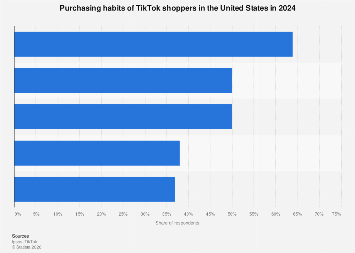
Recent data indicates a pronounced uptick in the number of American TikTok users who actively engage in shopping behaviors facilitated by the platform. This trend is underpinned by a confluence of factors, including the seamless integration of e-commerce functionalities, the pervasive nature of influencer marketing, and the inherent appeal of discovering new products through visually engaging and often entertaining content. For a growing demographic, TikTok has transitioned from a purely entertainment-focused application to a vital component of their consumer journey. This is particularly evident among younger generations, such as Gen Z and Millennials, who are native to the platform and have grown up with social commerce as an integral part of their digital lives. However, the influence is broadening, with older demographics increasingly adopting TikTok for both entertainment and product discovery.
The mechanism through which TikTok exerts its purchasing influence is multifaceted. At its core is the discovery engine, which leverages sophisticated algorithms to present users with content tailored to their perceived interests. This often leads to the serendipitous encounter with products that users might not have otherwise sought out. Furthermore, the rise of TikTok Shop and in-app purchasing features has dramatically reduced the friction points in the buying process. Users can now transition from watching a compelling product demonstration to completing a purchase within a matter of minutes, a process that significantly streamlines the path from inspiration to transaction. This immediacy is a powerful driver of impulse buys and contributes to the platform’s effectiveness in converting passive viewers into active buyers.
Influencer marketing plays a pivotal role in this ecosystem. Creators on TikTok, ranging from micro-influencers with niche followings to mega-celebrities, wield considerable sway over their audiences. Their authentic recommendations, product reviews, and creative integrations of sponsored content resonate deeply with viewers who often perceive these endorsements as more trustworthy than traditional advertising. The relatability and perceived authenticity of these creators foster a sense of trust and aspiration, making their product recommendations particularly persuasive. Data suggests that a significant percentage of TikTok users have made purchases based on recommendations from influencers they follow, underscoring the economic power of these digital tastemakers.
The economic implications of TikTok’s growing shopping influence are substantial. For brands, it offers an unprecedented opportunity to reach a vast and engaged audience in a highly effective manner. The platform’s ability to generate viral trends can lead to rapid product adoption and substantial sales spikes. This is particularly beneficial for direct-to-consumer (DTC) brands that can leverage TikTok to build brand awareness, drive traffic to their websites, and foster a loyal customer base. The relatively lower cost of entry for advertising and content creation compared to traditional media channels also makes TikTok an attractive proposition for small and medium-sized enterprises (SMEs) seeking to expand their market reach.
However, the platform’s influence also presents unique challenges. The ephemeral nature of viral trends means that product popularity can be fleeting, requiring brands to be agile and responsive to shifting consumer preferences. The reliance on algorithms can also lead to unpredictable reach, and brands must constantly adapt their content strategies to maintain visibility. Furthermore, the increasing commercialization of the platform raises questions about authenticity and potential consumer fatigue with overtly promotional content. Maintaining a balance between engaging entertainment and effective marketing is crucial for long-term success.
Globally, the trend of social commerce, with TikTok at its forefront, is not unique to the United States. China, for instance, has a deeply entrenched social commerce ecosystem where platforms like Douyin (the Chinese version of TikTok) and WeChat have long integrated shopping functionalities. The success of these models in Asia has provided a blueprint for Western markets, demonstrating the immense potential for social platforms to become dominant retail channels. As e-commerce continues its global expansion, the lessons learned from these markets are invaluable for understanding the future trajectory of retail.
Market analysts project continued growth in social commerce spending worldwide. Projections indicate that the global social commerce market will continue its upward trajectory, driven by advancements in technology, evolving consumer behaviors, and the increasing sophistication of platform-based shopping tools. TikTok’s share of this growing market is expected to expand, particularly in Western economies where it is still in a relatively earlier stage of commercial integration compared to its Asian counterparts. This suggests that the purchasing power of American TikTok shoppers in 2024 is not a static phenomenon but rather a harbinger of a more profound and lasting transformation in the retail landscape.
The data also points to specific product categories that are experiencing significant growth on TikTok. Fashion, beauty products, electronics, and home goods are frequently featured and purchased through the platform. The visual nature of TikTok makes it an ideal medium for showcasing these items, with creators demonstrating how products are used, their aesthetic appeal, and their functional benefits. This visual storytelling is a powerful tool for driving desire and encouraging immediate purchase decisions.
In conclusion, the impact of TikTok on American consumer purchasing habits in 2024 is undeniable and continues to evolve. The platform has successfully integrated e-commerce, leveraging influencer marketing and algorithmic discovery to create a potent shopping environment. For brands, understanding and adapting to this dynamic space is no longer optional but a strategic imperative. The ongoing convergence of entertainment and commerce on platforms like TikTok is reshaping consumer behavior and dictating the future of retail, making it essential for businesses to remain attuned to these powerful digital currents.