
As the current term of Federal Reserve Chair Jerome Powell moves toward its inevitable conclusion, the corridors of power in Washington and the trading floors of Manhattan are increasingly fixated on the prospect of a fundamental shift in American monetary policy. Among the shortlist of potential successors, Kevin Warsh, a former member of the Federal Reserve Board of Governors, has emerged as a figure of particular interest for economists and investors alike. A "Warsh Fed" would represent more than just a change in personnel; it would likely signal a departure from the institutional orthodoxy that has defined the central bank’s approach since the 2008 financial crisis. Understanding the nuances of Warsh’s economic philosophy is essential for anticipating the trajectory of interest rates, inflation management, and the global standing of the U.S. dollar in the coming decade.
Kevin Warsh’s reputation is built on a foundation of market-oriented pragmatism and a healthy skepticism of the "lower-for-longer" interest rate environment that characterized much of the last fifteen years. Having served on the Board of Governors from 2006 to 2011, Warsh was the youngest appointee in the history of the Federal Reserve, arriving with a background in investment banking that provided him with a unique lens through which to view the intersection of monetary policy and financial markets. During the Great Recession, he acted as a critical bridge between the Fed and Wall Street, yet he was also one of the earliest voices to warn against the long-term distortions created by massive quantitative easing (QE). His eventual departure from the Fed was punctuated by concerns that the central bank was becoming too deeply embedded in the functioning of private markets, a theme that remains central to his current economic critiques.
A primary pillar of a Warsh-led Federal Reserve would likely be a renewed emphasis on price stability as the paramount objective. While the Federal Reserve operates under a dual mandate—to promote maximum employment and stable prices—the weighting of these two goals often shifts depending on the leadership. Under the Powell era, particularly following the 2020 policy framework revision, the Fed adopted a "flexible average inflation targeting" (FAIT) approach, which allowed inflation to run moderately above 2% to compensate for periods of underperformance. Critics, including those aligned with Warsh’s school of thought, argue that this flexibility contributed to the delayed response to the post-pandemic inflationary surge. A Warsh Fed would likely move toward a more "hawkish" stance, prioritizing the 2% target with less tolerance for overshoots, potentially returning to a more rules-based monetary policy that emphasizes predictability over discretionary intervention.
The implications for the bond market under such a regime are profound. Investors have spent years acclimating to a Federal Reserve that acts as a "backstop" for the economy—a phenomenon often referred to as the "Fed Put." Warsh has historically been critical of this dynamic, suggesting that it encourages moral hazard and misprices risk. If the Fed were to retreat from its role as an active participant in the long end of the yield curve, we could see a significant reconstruction of the term premium. Market data suggests that the absence of aggressive Fed intervention in the Treasury market would lead to higher long-term yields, reflecting a more natural equilibrium between the supply of government debt and private sector demand. For a global economy currently grappling with high debt-to-GDP ratios, a sustained increase in the cost of capital would necessitate a painful but perhaps necessary fiscal consolidation.
Furthermore, Warsh’s views on the Fed’s balance sheet suggest a more aggressive approach to quantitative tightening (QT). While the current leadership has moved cautiously in reducing the nearly $7 trillion in assets held by the central bank, Warsh has frequently argued that an oversized balance sheet complicates the transmission of monetary policy and risks politicizing the Fed’s role. By accelerating the runoff of mortgage-backed securities and Treasuries, a Warsh-led Fed would aim to shrink the central bank’s footprint in the economy. This "normalization" of the balance sheet is intended to restore the Fed’s "dry powder" for future crises, but the transition could trigger volatility in liquidity-sensitive sectors, such as regional banking and emerging market equities.
On the international stage, a shift toward a more disciplined, hawkish Federal Reserve would have a "vacuum effect" on global capital. As U.S. real rates rise relative to the rest of the world, the dollar would likely see sustained upward pressure. For the Eurozone and Japan, where central banks are navigating their own complex exits from ultra-loose policy, a stronger dollar presents a double-edged sword. While it may boost their export competitiveness, it also imports inflation by raising the cost of dollar-denominated commodities like oil and gas. For emerging markets, the prospect of a "Warsh Fed" is particularly daunting. Historical data shows that periods of aggressive U.S. monetary tightening often lead to capital outflows from developing economies, forcing their central banks to raise rates defensively, even at the cost of domestic growth.
Expert insights into Warsh’s potential chairmanship also highlight his focus on the "supply side" of the economy. Unlike many traditional central bankers who view inflation primarily through the lens of aggregate demand management, Warsh has often pointed to the importance of productivity and regulatory environments. He has argued that monetary policy cannot be a substitute for structural economic reforms. This perspective suggests that under his leadership, the Fed might be more vocal in its communications regarding the limits of what monetary policy can achieve. By lowering expectations for "monetary salvation," Warsh would effectively be placing the onus back on fiscal policymakers to drive long-term growth through tax policy, trade, and deregulation.
However, the political dimension of a Warsh appointment cannot be ignored. The Federal Reserve’s independence is a cornerstone of global financial stability, yet the process of selecting a Chair is inherently political. Warsh’s market-centric views often align with conservative economic principles, which might suggest a smoother relationship with a Republican administration. Yet, his commitment to high interest rates to combat inflation could create friction with any president—regardless of party—who desires low borrowing costs to fuel short-term economic expansion. The tension between a Fed Chair committed to "hard money" and a Treasury Department focused on financing large deficits would be a defining conflict of the next decade.
From a technical perspective, a Warsh Fed would likely reassess the "Neutral Rate" of interest, often known as R-star. For years, the consensus among Fed officials was that the neutral rate—the interest rate that neither stimulates nor restricts the economy—had fallen significantly due to aging demographics and slowing productivity. Warsh has been more skeptical of this "secular stagnation" thesis. If a Warsh-led Fed concludes that the neutral rate is actually higher than currently estimated, the "higher-for-longer" mantra would shift from a temporary tactical response to a permanent structural reality. This would recalibrate everything from mortgage rates to corporate hurdle rates, fundamentally changing the valuation models for growth stocks and venture capital.
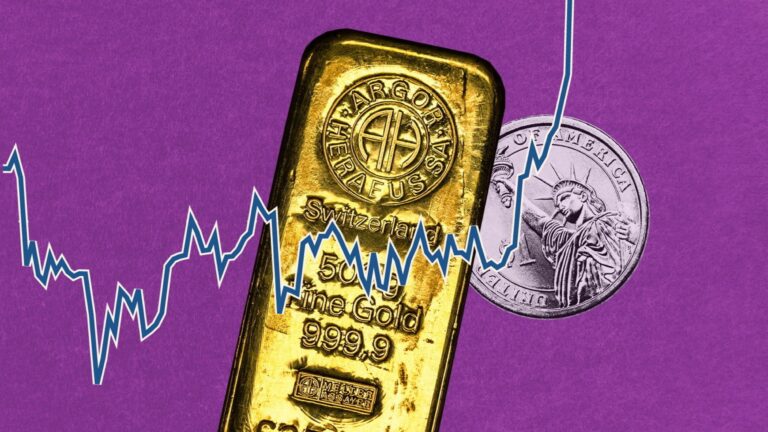
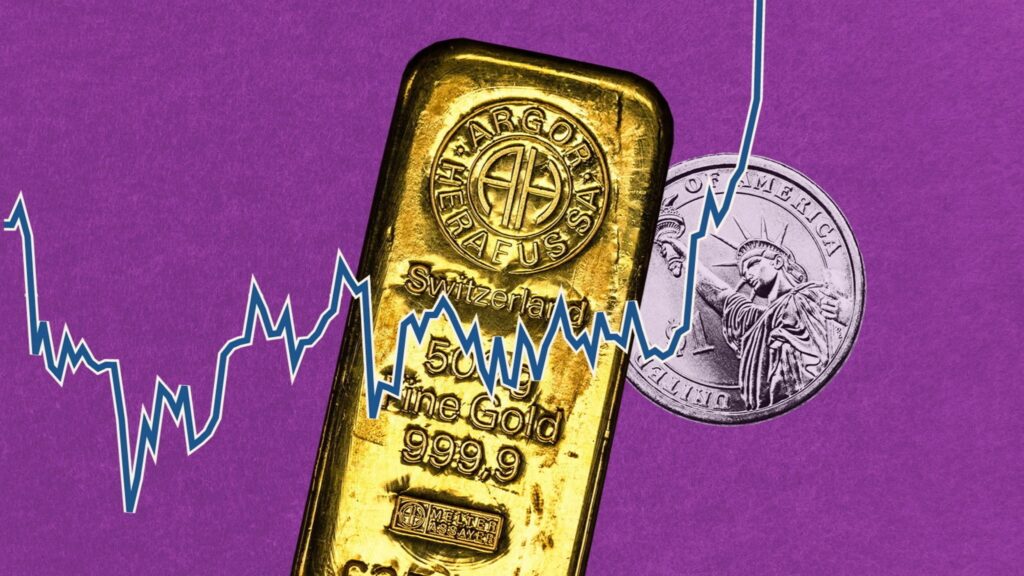
In terms of institutional reform, Warsh has expressed interest in making the Fed’s decision-making process more transparent and diverse in its intellectual range. He has criticized the "groupthink" that can sometimes pervade the Federal Open Market Committee (FOMC), advocating for a more robust debate that incorporates market signals rather than relying solely on lagging economic indicators. This "market-based" approach to central banking would involve paying closer attention to gold prices, commodity indices, and credit spreads as real-time barometers of inflationary expectations.
As global markets look toward the late 2020s, the "runes" of a Warsh Fed suggest a return to a more traditional, perhaps even austere, form of central banking. It would be a regime that values the currency’s purchasing power above all else, views market volatility as a necessary corrective rather than a problem to be solved, and seeks to disentangle the central bank from the daily fluctuations of the S&P 500. While such a transition would undoubtedly involve a period of "regime change" volatility, proponents argue it is the only way to ensure the long-term health of the American economy and the continued dominance of the dollar. For the global investor, the message is clear: the era of "easy money" is not just ending; under the potential guidance of Kevin Warsh, it would be systematically dismantled.