

The global logistics sector is undergoing a profound transformation, driven by an insatiable consumer demand for immediate gratification, pushing delivery timelines from days to mere hours and compelling industry giants to recalibrate their operational blueprints. This rapid acceleration, spearheaded by the quick commerce phenomenon, is reshaping the competitive landscape, necessitating substantial investments in infrastructure and technology, even as it exerts unprecedented pressure on already slender profit margins. From major metropolises to burgeoning secondary and tertiary urban centers, the mandate for speed is becoming the cornerstone of modern fulfillment strategies, fundamentally altering how goods move from warehouse to doorstep.
Across key growth markets, logistics providers are demonstrably pivoting towards hyper-local and express delivery capabilities. Recent strategic announcements from prominent players underscore this shift: one leading diversified logistics firm, Allcargo Logistics, is actively expanding its express network to penetrate smaller towns and cities, highlighting its current monthly handling of over 10 million packages across its e-commerce and quick commerce operations. Similarly, Unicommerce’s logistics arm, Shipway, has forged alliances, such as with ElasticRun, to facilitate same-day and next-day deliveries for a growing roster of consumer brands. Established players like DTDC have innovated with dedicated verticals, exemplified by their "Raftaar" service, promising deliveries within 4-6 hours through a sophisticated network of dark stores. Even industry bellwethers like Delhivery have reported significant traction with their two-hour delivery service, Rapid, which achieved an annual revenue run-rate of ₹15 crore from 23 dark stores as of December 2025, demonstrating the commercial viability and strategic importance of these high-speed offerings. Newer market entrants are also capitalizing on this trend; Shadowfax, a recently listed company, reported that hyperlocal commerce contributed a substantial 17% to its third-quarter revenue, primarily fueled by the burgeoning demand from quick commerce and food delivery platforms. These collective maneuvers signal an industry-wide embrace of a new operational tempo, where rapid fulfillment is no longer a niche service but an expanding core competency, extending beyond groceries to encompass fashion, electronics, and a wide array of daily essentials.

This intensified pursuit of speed is rooted in deeper shifts within the digital retail ecosystem. The burgeoning online shopper base, particularly in emerging economies like India, continues its steady expansion, with growth increasingly propelled by consumers in smaller cities. As digital commerce penetration deepens across various product categories, supported by enhanced logistics reach and sophisticated fulfillment capabilities, faster delivery has emerged as a critical differentiator for platforms vying for customer loyalty. A 2025 report by Bain & Co., "How India Shops Online," highlighted this trend, emphasizing the expanding addressable market and the pivotal role of swift delivery options in securing consumer preference. Furthermore, the impetus for quicker deliveries is not confined to business-to-consumer (B2C) transactions. The business-to-business (B2B) sector is also experiencing a similar transformation, with enterprise e-commerce platforms promising accelerated restocking cycles to small businesses and traditional kirana stores. This dynamic is placing unprecedented pressure on traditional supply chains, which historically operated on longer timelines, forcing startups and wholesale platforms to invest heavily in technology and strategically located fulfillment centers to enable faster turnaround for bulk orders.
However, the pursuit of hyper-speed in logistics comes with a complex array of operational and financial challenges that threaten to erode profitability. Logistics has historically been characterized by razor-thin margins, and the added demands of express delivery exacerbate this inherent vulnerability. Madhur Singhal, managing partner and chief executive at consultancy Praxis Global Alliance, succinctly captures this dilemma, stating that profitability in this high-stakes environment hinges on "delivery density, optimized basket sizes, and minimizing return and fraud losses." He emphasizes that "speed without network optimization limits margins," highlighting the intricate balance required. Scaling express delivery capabilities necessitates a significantly denser network of warehouses and dark stores positioned closer to urban consumption centers, an increased reliance on more expensive air cargo for inter-city movements, and meticulously coordinated last-mile operations. Each of these components introduces additional cost layers into an already cost-sensitive business model.
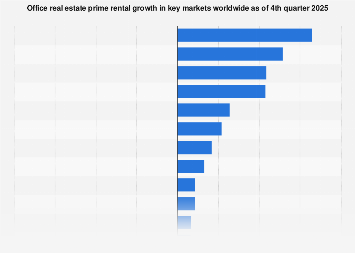
Real estate, in particular, has emerged as a significant pressure point. The demand for logistics warehousing has soared globally, with many markets witnessing record leasing activity. In India, for instance, logistics leasing touched an unprecedented 60 million sq. ft in 2025, driven by robust demand from both manufacturing and e-commerce sectors, according to a December 2025 report by real estate consultancy Cushman and Wakefield. This surge in demand, especially for prime urban locations critical for quick commerce, has led to rising warehouse rentals, directly increasing fixed costs for companies expanding their express networks. Beyond the physical infrastructure, substantial capital expenditure is required for technological advancements. Logistics firms must invest in sophisticated solutions for real-time route optimization, granular inventory tracking, and predictive demand forecasting, often leveraging artificial intelligence and machine learning, to consistently meet stringent delivery timelines. Delhivery’s financial statements reflect this, with its capital expenditure intensity settling at 5.2% of revenue in FY25, and projections indicating marginally higher outlays for the current fiscal year.

Moreover, managing the human capital aspect of quick commerce is increasingly complex. The compressed operational windows of rapid delivery models heighten dependency on a flexible workforce, often comprising gig and contract workers. This introduces challenges related to recruitment, training, retention, and ensuring fair labor practices in a high-pressure environment. The intensifying competition within the third-party logistics (3PL) sector further complicates matters, as established players and agile new entrants fiercely compete for contracts from large e-commerce marketplaces and direct-to-consumer (D2C) brands, often leading to pricing pressures that further squeeze margins. Globally, similar challenges are evident: in Europe, quick commerce startups have grappled with unsustainable unit economics, leading to market consolidation and a recalibration of strategies. In the United States, major players like Amazon continue to pour billions into expanding same-day and next-day delivery capabilities, demonstrating the universal imperative for speed, but also the significant capital required to achieve it profitably at scale.
Looking ahead, the trajectory of the e-commerce market continues its upward ascent, driven by deepening internet penetration and rising disposable incomes, especially in previously underserved Tier 2 and Tier 3 cities. This demographic shift represents a vast, untapped opportunity for logistics firms capable of combining extensive reach with unwavering reliability. The Bain & Co. report projects that a significant portion of future growth will emanate from these smaller cities, where delivery networks are still maturing, underscoring the potential for strategically positioned and technologically advanced logistics providers. Concurrently, established companies are expected to fortify their core offerings, such as part-truck load (PTL), full-truckload freight, and integrated supply-chain solutions, which continue to provide stable revenue streams essential for funding high-growth express ventures.
The strategic imperative for logistics players is clear: faster delivery is no longer a supplementary service but an integral component of core business strategy. Capital is increasingly flowing towards technology-enabled platforms, with a strong emphasis on achieving operational efficiency and scale discipline. However, the path forward is fraught with risk. As Madhur Singhal cautions, "Players that overspend on speed without achieving scale discipline may face short-term margin pressures." The long-term winners in this velocity economy will be those who can adeptly balance the relentless demand for speed with meticulous operational intelligence, strategic investments in technology and infrastructure, and sustainable workforce management, thereby transforming the challenge of instant gratification into a pathway for enduring profitability and competitive advantage. The future of logistics will undoubtedly be defined by those who master the art of delivering not just goods, but also sustainable speed.