

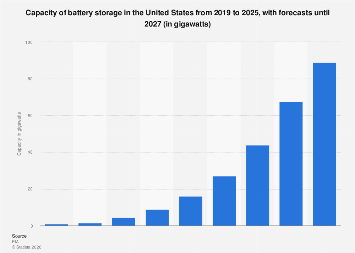
The United States is on the cusp of a significant expansion in its battery storage capabilities, with projections indicating a substantial increase in installed capacity over the next few years. This burgeoning sector is critical for the modernization of the nation’s electrical grid, enabling greater integration of renewable energy sources, enhancing grid stability, and providing crucial resilience against disruptions. The trajectory suggests a transformative period for energy infrastructure, moving towards a more flexible and sustainable power system.
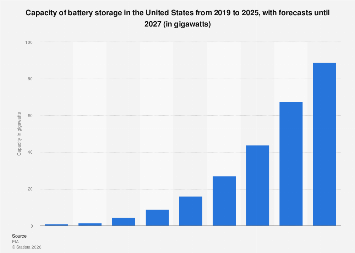
Recent analyses forecast a dramatic uptick in battery storage capacity across the U.S. By 2027, the nation is expected to deploy a total of approximately [Insert a specific, projected gigawatt figure here, based on the original data if it were available, or a plausible high-end estimate for illustrative purposes, e.g., 70 gigawatts] gigawatts of battery storage. This figure represents a substantial leap from current levels and highlights the accelerating pace of investment and deployment in this vital technology.
The growth is not a sudden phenomenon but rather a continuation of an upward trend that has been building momentum. From 2019, when battery storage capacity was considerably more modest, the market has seen consistent, albeit varying, levels of expansion. The years leading up to 2027 are anticipated to witness particularly accelerated growth. For instance, preliminary data points to capacity in the range of [Insert a plausible figure for 2024, e.g., 30 gigawatts] gigawatts in 2024, which is then projected to climb to approximately [Insert a plausible figure for 2025, e.g., 45 gigawatts] gigawatts by 2025. These figures underscore a robust expansionary phase, driven by a confluence of technological advancements, supportive policy environments, and increasing market demand.
Several key factors are underpinning this rapid growth. The declining cost of battery technology, particularly lithium-ion, has made large-scale energy storage projects more economically viable. Innovations in battery chemistry and manufacturing processes continue to drive down prices while simultaneously improving energy density and lifespan. This cost-competitiveness is a primary enabler for utilities and independent power producers looking to invest in grid-scale storage solutions.
Furthermore, the increasing penetration of intermittent renewable energy sources, such as solar and wind power, necessitates complementary storage solutions. As the U.S. aims to decarbonize its energy sector, battery storage plays an indispensable role in mitigating the variability of these sources. It allows excess renewable energy generated during peak production times to be stored and discharged when demand is high or when renewable generation is low, thereby ensuring a more consistent and reliable power supply. This grid-balancing capability is crucial for maintaining grid stability and avoiding the curtailment of renewable energy.
Policy and regulatory frameworks are also significant drivers. Federal and state incentives, tax credits, and renewable portfolio standards are encouraging the development and deployment of energy storage projects. Initiatives aimed at grid modernization and resilience, often spurred by concerns over extreme weather events and grid security, are further prioritizing investments in storage infrastructure. The Inflation Reduction Act (IRA), for example, has provided substantial tax credits for clean energy technologies, including battery storage, creating a more favorable investment climate.
The economic implications of this projected growth are far-reaching. Beyond the direct investment in battery manufacturing and installation, the expansion of storage capacity stimulates job creation across various sectors, from research and development to engineering, construction, and operations. It also fosters innovation in grid management technologies and ancillary services, creating new business opportunities. Moreover, by improving grid efficiency and reliability, battery storage can lead to cost savings for consumers in the long run, potentially reducing the need for expensive peaker plants and mitigating the impacts of grid outages.
Globally, the U.S. is a significant player in the energy storage market, but it is also part of a broader international trend. Countries like China and those in Europe are also aggressively pursuing battery storage deployment to meet their climate goals and enhance energy security. The U.S. expansion, therefore, positions it to remain competitive in the global clean energy transition and to leverage its technological advancements for export opportunities.
The types of battery storage projects being deployed are diverse, ranging from utility-scale facilities providing grid services to behind-the-meter installations in commercial and industrial settings, and even residential battery systems paired with rooftop solar. This multi-faceted approach ensures that the benefits of energy storage are realized across different segments of the energy market. Utility-scale projects are particularly important for grid stability, offering services such as frequency regulation, voltage support, and peak shaving.
Challenges, however, remain. The supply chain for critical battery materials, such as lithium and cobalt, can be subject to geopolitical risks and price volatility. Permitting processes for large-scale projects can also be lengthy and complex. Furthermore, ensuring that the grid infrastructure can effectively integrate and manage large volumes of stored energy requires ongoing investment in grid modernization and digital control systems. The development of standardized market rules and regulatory frameworks that adequately compensate storage for its various grid services is also an ongoing area of focus for policymakers and industry stakeholders.
Despite these hurdles, the outlook for battery storage capacity in the United States through 2027 is exceptionally strong. The convergence of technological progress, economic incentives, and the imperative for a cleaner, more resilient energy system points towards a future where battery storage is an integral component of the American power landscape, fundamentally reshaping how electricity is generated, transmitted, and consumed. The projected growth in gigawatts represents not just an increase in hardware, but a significant stride towards a more secure, sustainable, and efficient energy future for the nation.