

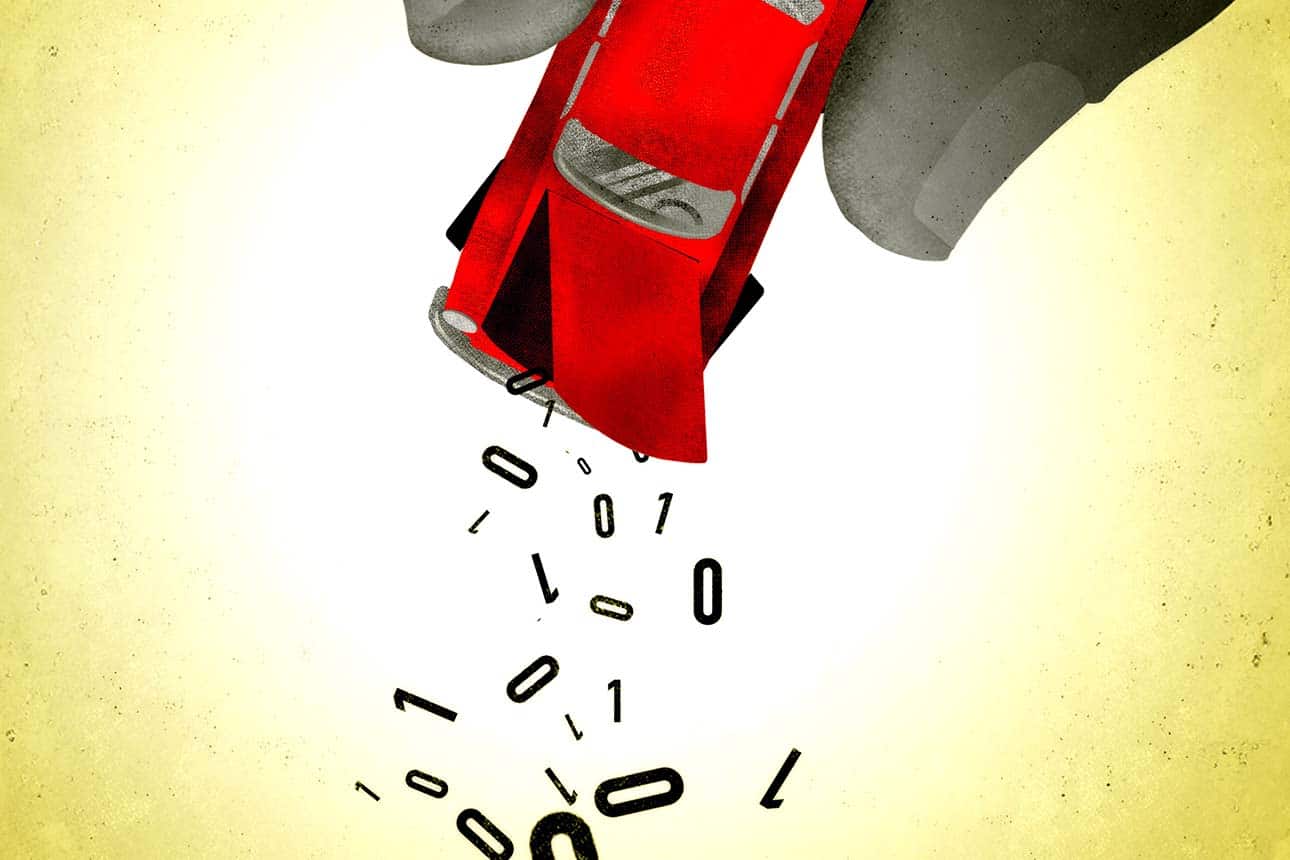
The digital transformation, initially heralded as a catalyst for innovation and user convenience, has paradoxically given rise to a phenomenon colloquially termed "enshittification." This concept, popularized by technology critic Cory Doctorow, describes a predictable lifecycle wherein digital platforms progressively degrade the user experience to extract greater value, first from their users, then from their business customers, and finally from both, ultimately prioritizing their own profit margins. While Doctorow initially focused on software platforms like social media networks and e-commerce giants, a growing body of evidence suggests that this extractive dynamic is now manifesting within the realm of physical products imbued with digital capabilities – the so-called ‘smart’ devices. Manufacturers, armed with unprecedented digital control over their creations, are increasingly exploiting this power, not merely to enhance functionality, but to unlock new revenue streams at the expense of consumer autonomy and the traditional understanding of product ownership.
The infusion of internet connectivity, embedded sensors, firmware, and sophisticated software into everyday objects, from automobiles to household appliances, has fundamentally altered the relationship between producer and consumer. What began as a promise of enhanced features, convenience, and efficiency has evolved into a complex web of digital dependencies. This paradigm shift has enabled manufacturers to transition from a purely transactional sales model to one characterized by ongoing digital monetization. While this presents fertile ground for innovation and value creation, it also paves a perilous pathway toward the degradation of the user experience and a fundamental challenge to the established norms of ownership.
One of the most salient examples of this digital exploitation is the automotive sector. Modern vehicles, often marketed as "computers on wheels," are equipped with advanced telemetry systems. Originally developed for safety features like navigation and stolen-vehicle recovery, these systems now collect vast quantities of data on driver behavior, routes, speed, and even cabin interactions. Automakers like General Motors and Ford have openly acknowledged sharing or selling this granular driving data to third-party entities, including insurance providers, advertisers, and mapping services. This data, anonymized or not, becomes a valuable commodity, transforming the car owner into an unwitting data provider. Industry estimates suggest that the global market for connected car data could reach upwards of $750 billion by the end of the decade, a significant incentive for manufacturers to maximize data extraction.
Beyond data monetization, the digital architecture of smart products facilitates the imposition of subscription models for features that are physically present in the device but digitally locked. The notion of paying an ongoing fee to activate a pre-installed feature, such as heated seats or remote start functionality, has become a contentious point for consumers worldwide. Companies like BMW have faced significant backlash for piloting such subscription services in various markets, particularly in South Korea and Germany. This practice fundamentally redefines ownership, transforming a capital expenditure into a recurring operational cost, and blurring the line between purchasing a product and merely licensing its functionalities. From an economic perspective, this strategy aims to convert one-off revenue into predictable, recurring income, thereby increasing company valuations and investor appeal, but it simultaneously inflates the total cost of ownership for consumers and can lead to buyer’s remorse and brand resentment.

The digital infusion also opens avenues for what some critics term "software-induced obsolescence." While physical wear and tear are expected, software updates can sometimes intentionally or unintentionally degrade older models, pushing consumers towards upgrades. Furthermore, digital rights management (DRM) and proprietary software often restrict third-party repairs or the use of non-OEM parts, effectively forcing consumers back to authorized service centers or preventing them from fully utilizing their purchased goods. This impacts everything from smartphones and tractors to coffee machines. The "Right to Repair" movement, gaining traction globally in regions like the European Union and several U.S. states, is a direct response to these restrictive practices, advocating for consumers’ ability to repair their own devices or choose independent repair shops. Legislation in this area seeks to mandate access to parts, tools, and diagnostic information, directly challenging the digital control exerted by manufacturers.
The broader economic impact of this ‘enshittification’ is multifaceted. For consumers, it translates into diminished perceived value, a heightened sense of surveillance, and a palpable erosion of the traditional concept of ownership. When a device’s core functionalities can be remotely disabled, modified, or made contingent on ongoing payments, the sense of having truly ‘bought’ something diminishes. This breeds distrust and frustration, potentially leading to widespread consumer disillusionment with smart products, despite their initial innovative appeal. Research indicates that consumer trust is a critical factor in the adoption of new technologies, and a decline in trust could significantly impede the growth of the IoT market, projected to reach over $1.5 trillion by 2030.
For businesses, while the immediate allure of new revenue streams is undeniable, the long-term consequences can be severe. Short-term profit maximization through extractive digital practices risks irreparable damage to brand reputation and customer loyalty. Companies that prioritize digital control and data monetization over genuine user value may find themselves facing increased regulatory scrutiny, boycotts, and a flight of consumers to competitors offering more transparent and ownership-centric models. The backlash against certain automotive subscription features serves as a stark warning. Moreover, a market saturated with products designed for ongoing extraction rather than enduring utility could stifle true innovation, shifting focus from creating superior products to devising ever more ingenious ways to monetize existing ones.
Globally, the response to these practices varies. In Europe, the Digital Markets Act and various data privacy regulations (like GDPR) aim to curb the power of large digital platforms and ensure fairer competition and consumer protection. While not directly addressing the ‘enshittification’ of physical products, these frameworks lay the groundwork for potential future regulations that could extend to connected devices. In contrast, regulatory landscapes in other regions might be slower to adapt, leaving consumers more vulnerable. The rise of privacy-conscious consumers and the increasing demand for products with greater user control suggest a potential market bifurcation: a segment willing to pay a premium for devices that offer true ownership, privacy, and repairability, and another that prioritizes low upfront cost despite ongoing digital dependencies.
Looking ahead, a sustainable path for smart product manufacturers necessitates a re-evaluation of current business models. Companies must strike a delicate balance between leveraging digital capabilities for legitimate value creation and respecting consumer ownership and privacy. This could involve offering clear, opt-in models for data sharing, ensuring transparency about digital restrictions, and developing business strategies that prioritize long-term customer relationships over short-term revenue extraction. The growing prominence of open-source hardware movements and community-driven repair initiatives further underscores a fundamental shift in consumer expectations. Ultimately, the future of smart products hinges on whether manufacturers choose to empower their users or continue down a path that risks turning innovation into exploitation, threatening the very foundations of trust and ownership in the digital age.