
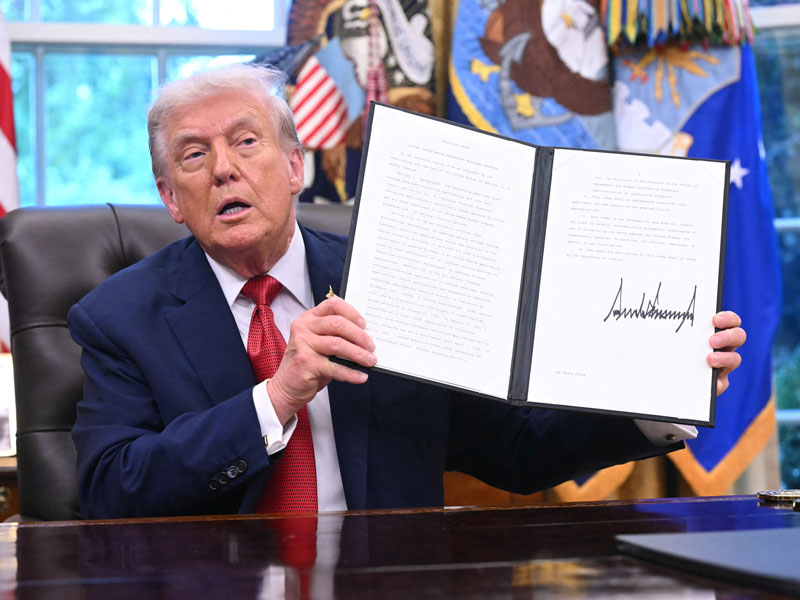
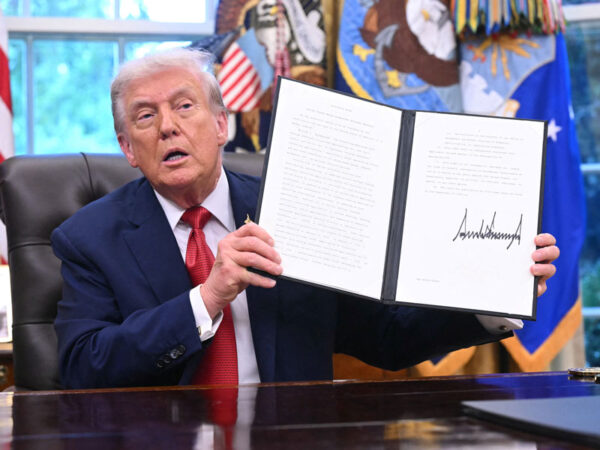
After a protracted period of diplomatic maneuvering, regulatory scrutiny, and multiple deadline extensions, the U.S. administration has finalized an executive order mandating the transfer of TikTok’s American operations to U.S. ownership. This development, culminating years of geopolitical tension and legal challenges, including interventions from federal and state governments and a U.S. Supreme Court review, signals a significant shift for one of the world’s most influential social media platforms. However, a closer examination of the agreement reveals that, despite the outward appearance of a U.S. victory, China may have secured a strategic triumph by retaining control over the proprietary algorithms that have propelled TikTok to global cultural dominance.
On the surface, the agreement presents a compelling narrative of American ascendancy. Oracle, in conjunction with a consortium of U.S. investors, is slated to acquire an 80% stake in a newly formed American entity responsible for managing TikTok’s operations within the United States. Crucially, all U.S. user data will be housed on Oracle’s secure servers located in Texas. Furthermore, the new American company is set to license TikTok’s highly coveted recommendation algorithms, with plans to retrain them using U.S.-centric data. The governance structure is also designed to reflect American oversight, with six out of seven board seats in the new entity designated for U.S. nationals. This arrangement, on paper, suggests that American data, U.S.-based infrastructure, and the core algorithmic engine are all firmly under American jurisdiction. Adding another layer to the perceived U.S. benefit, the deal includes a substantial financial payment from the investors to the U.S. administration, effectively functioning as a facilitation fee for brokering the settlement with the Chinese government.
However, a more nuanced analysis of the transaction reveals a less reassuring picture for American interests. Global investors already hold a significant portion, approximately 60%, of ByteDance, TikTok’s parent company. An additional 20% is owned by the company’s founders, with employees holding the remaining stake. The current agreement, therefore, merely elevates U.S. ownership of the American operational arm to 80%, leaving ByteDance with just under 20% – still the single largest shareholder. More critically, the intellectual property underpinning TikTok’s potent recommendation algorithms remains firmly within ByteDance’s possession. Instead of acquiring the core recommendation engine outright, Oracle and its U.S. partners are being granted a license, a crucial distinction that limits their true ownership and control.
Algorithms are not static assets; they are dynamic, data-driven systems that require continuous refinement and significant engineering support to maintain their efficacy. The U.S. entity’s acquisition of a licensed algorithm means that while Oracle can scrutinize the code and retrain the existing version on U.S. data, the new American TikTok will remain reliant on China for periodic updates and improvements. This dependency raises significant questions about the extent of U.S. oversight. Will Oracle consistently receive these vital updates? If so, can it effectively monitor and audit the modifications to ensure they do not compromise U.S. national security or user privacy? The efficacy of an algorithm is not solely determined by its architecture but also by the vast datasets it is trained upon. By restricting the U.S. version to American user data, Oracle will lack access to the comprehensive global datasets that have been instrumental in developing ByteDance’s cutting-edge models, potentially hobbling the U.S. version’s competitive edge.
China, meanwhile, retains significant legal leverage over ByteDance’s technology. Since 2020, Beijing has classified personalized recommendation algorithms as sensitive technologies under its export control regulations. This designation means that any export of updates or enhancements to TikTok’s algorithms requires explicit approval from the Chinese government. Consequently, Chinese authorities possess the power to wield TikTok as a diplomatic instrument. In scenarios of escalating geopolitical tensions, whether concerning Taiwan, trade disputes, international conflicts, or restrictions on critical technology exports, Beijing could deliberately delay or withhold licensing approvals. This positions TikTok as a potent bargaining chip in broader diplomatic negotiations, effectively transforming the platform into a powerful tool of Chinese statecraft.
U.S. investors involved in the new TikTok entity should anticipate a future marked by heightened uncertainty, as the licensing arrangement is likely to be governed less by contractual obligations and more by the prevailing geopolitical climate. Rather than fundamentally shifting TikTok’s control from Chinese to American hands, the current deal appears to substitute one form of dependence with another. While ByteDance will no longer be directly involved in daily content recommendations, thereby alleviating immediate U.S. national security concerns, China’s residual control over the algorithms persists. Beijing retains the discretion to define the scope of the license, dictate the frequency of algorithm updates, and determine whether the U.S. version can maintain parity with its global counterpart. This arrangement risks not diminishing China’s influence but, paradoxically, entrenching it in a more subtle yet enduring manner.
The immediate fear of Chinese access to American user data or direct algorithmic manipulation may subside following this agreement. However, it is poised to be replaced by a more insidious and persistent risk: technological dependence on China, which now holds a critical chokehold over TikTok’s powerful recommendation engine. The U.S. administration has, in essence, traded one vulnerability for another. On a speculative note, a less competitive U.S. version of TikTok might not be entirely detrimental to American society. Some might even view it as a serendipitous outcome. A less addictive platform could potentially yield positive benefits for American teenagers, irrespective of their immediate awareness of such an advantage. This, however, remains a secondary consideration compared to the primary geopolitical and technological implications of the deal. The long-term economic and strategic implications of this algorithmic dependency are yet to fully unfold, but the immediate power balance clearly favors Beijing’s continued influence.