
The intersection of American electoral politics and Middle Eastern stability has reached a new point of friction following recent assertions by former President Donald Trump regarding the necessity of a fundamental leadership overhaul in Tehran. By characterizing regime change in Iran as "the best thing that could happen," the Republican frontrunner has signaled a potential return to a "Maximum Pressure" doctrine, albeit one with significantly more disruptive ambitions than seen during his first term. This rhetoric arrives at a precarious moment for global markets, as the shadow of regional conflict looms over energy corridors and international trade routes, forcing economists and geopolitical strategists to weigh the implications of a renewed hardline American stance against the Islamic Republic.
The prospect of a U.S. administration actively seeking the collapse of the Iranian clerical establishment represents a departure from the cautious containment strategies currently favored by the Biden administration. While the current White House has maintained a regime of sanctions and sought to curb Iran’s nuclear ambitions through a mix of diplomacy and targeted pressure, it has generally avoided explicit calls for the overthrow of the government. Trump’s recent comments suggest that a second term might not merely aim to renegotiate the Joint Comprehensive Plan of Action (JCPOA) or limit Iran’s regional proxies, but could instead prioritize the total destabilization of the current power structure in Tehran.
From a macroeconomic perspective, the stakes of such a policy shift are immense. Iran, despite years of crippling sanctions, remains a pivotal player in the global energy landscape. It sits atop some of the world’s largest proven natural gas reserves and holds a significant share of global oil deposits. Market analysts note that any rhetoric suggesting a push for regime change introduces a "geopolitical risk premium" into oil pricing. Brent crude, which has fluctuated in response to tensions in the Levant and the Red Sea, remains highly sensitive to the stability of the Persian Gulf. A concerted U.S. effort to topple the Iranian government would almost certainly lead to retaliatory measures by Tehran, most notably the potential closure or disruption of the Strait of Hormuz, through which approximately 20% of the world’s total oil consumption passes daily.
The historical context of the "Maximum Pressure" campaign initiated in 2018 provides a blueprint for what a renewed Trump-era policy might look like, though the current global environment is vastly different. During his first term, the withdrawal from the JCPOA and the subsequent re-imposition of secondary sanctions led to a dramatic contraction of the Iranian economy. By 2019, Iran’s GDP had shrunk by an estimated 6%, and inflation surged past 40%, devastating the purchasing power of the Iranian middle class. However, the regime proved resilient, pivoting toward an "economy of resistance" and deepening its ties with non-Western powers, specifically China and Russia.
Today, the geopolitical calculus has evolved. Iran is no longer an isolated actor seeking a way back into the international financial system; it has become a critical node in a burgeoning "Axis of Resistance" that includes a deepened military partnership with Moscow. The export of Iranian drones for use in the Ukrainian theater and the strengthening of the "petroyuan" trade with Beijing have provided Tehran with economic lifelines that were less robust during the previous decade. Consequently, a U.S. policy aimed at regime change would not only face resistance from Tehran but would likely encounter significant friction from a multi-polar world order that views American interventionism with increasing skepticism.
Expert insights from regional analysts suggest that the internal dynamics of Iran are more volatile than they have been in decades. The "Woman, Life, Freedom" protests that erupted in late 2022 revealed deep-seated fissures between the youth population and the aging clerical elite. Proponents of the regime change narrative argue that the Iranian public is primed for a transition and that external pressure could act as the final catalyst. However, critics within the diplomatic community warn of the "Libya scenario," where the collapse of a central authority leads to a protracted power vacuum, civil war, and the proliferation of extremist groups. The economic cost of a failed state in the heart of the Middle East would be catastrophic, potentially triggering a refugee crisis and a long-term disruption of global supply chains that would dwarf the current issues in the Red Sea.
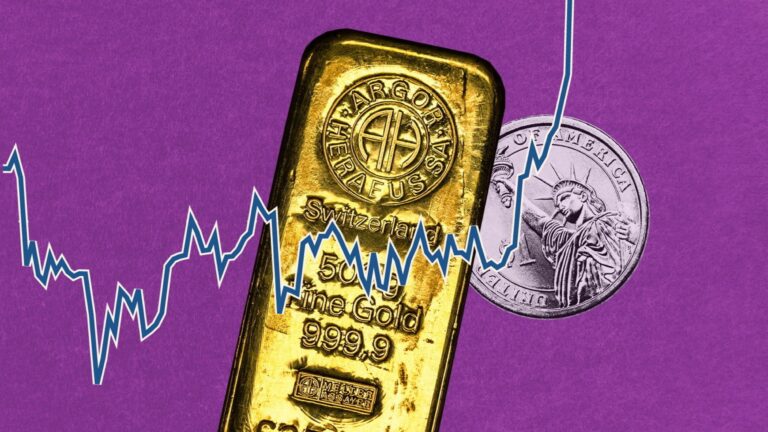
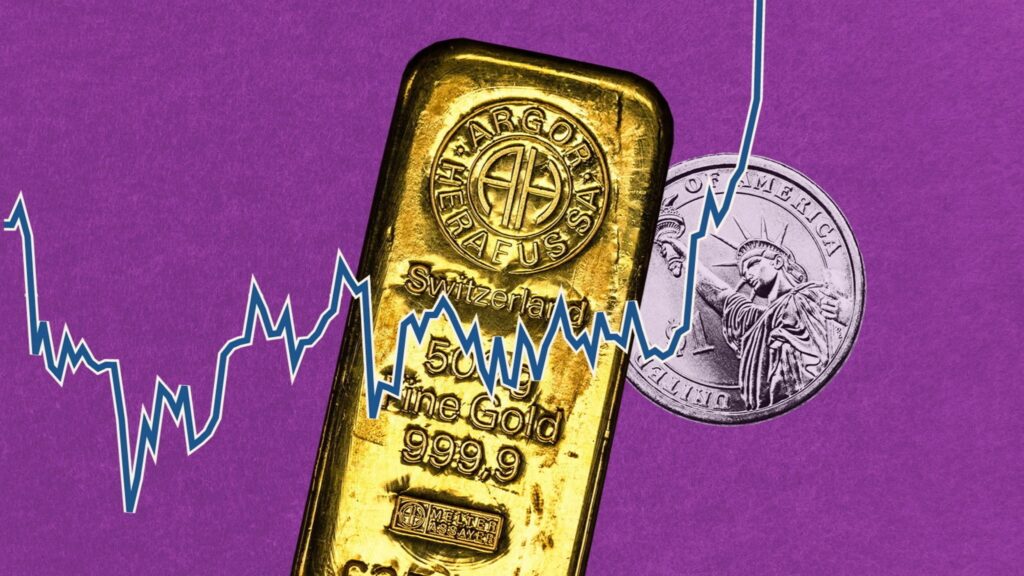
Furthermore, the impact on global financial markets cannot be overstated. Investors prize predictability, and the rhetoric of regime change is inherently unpredictable. A shift toward an explicit policy of subversion would likely drive capital toward "safe haven" assets like gold and U.S. Treasuries, while emerging markets in the Middle East—such as the UAE and Saudi Arabia—could see a flight of foreign direct investment (FDI) due to the heightened risk of regional spillover. While the Gulf monarchies have historically viewed Iran as a primary threat, recent years have seen a trend toward de-escalation, exemplified by the China-brokered rapprochement between Riyadh and Tehran. A sudden pivot in Washington toward aggressive regime change could undermine these fragile regional diplomatic efforts, forcing U.S. allies into a difficult balancing act between their security guarantor and their desire for regional stability.
The economic impact analysis of such a policy also extends to the domestic American front. While "America First" rhetoric often emphasizes avoiding "forever wars," the logistical and financial commitment required to facilitate regime change—even through non-kinetic means—is substantial. Increased defense spending, the cost of enforcing a total maritime blockade, and the potential for domestic energy price spikes represent significant political risks for any administration. If a renewed sanctions regime fails to produce a quick collapse of the Iranian government, the U.S. could find itself locked in another decades-long stalemate that drains resources and distracts from other strategic priorities, such as the containment of China in the Indo-Pacific.
In comparing the current political landscape to previous eras of U.S. interventionism, it is clear that the tools of economic statecraft have become more sophisticated. The use of the SWIFT banking system as a tool of coercion and the implementation of price caps on energy exports are now standard parts of the toolkit. However, Iran’s mastery of "grey market" oil sales—often involving ship-to-ship transfers and the use of "ghost fleets"—has limited the effectiveness of these measures. For a regime change policy to be successful, it would require a level of international consensus that currently does not exist. The European Union, while critical of Iran’s human rights record and nuclear program, has historically favored a policy of "constructive engagement" over total confrontation.
As the U.S. election cycle intensifies, the rhetoric surrounding Iran will likely serve as a litmus test for a candidate’s broader foreign policy vision. For Trump, the call for regime change is a return to the disruptive style that defined his first term—a rejection of the "globalist" status quo in favor of a decisive, if risky, assertion of American power. For the global business community, however, the primary concern remains the potential for volatility. Whether through direct military confrontation or an intensified economic war, the path toward regime change in Tehran is fraught with systemic risks that could redefine the global economic order for the next decade.
Ultimately, the debate over Iran’s future is not merely a question of political ideology but a complex calculation of risk, reward, and regional stability. While the desire for a more democratic and less adversarial Iran is a shared goal across much of the Western world, the methods used to achieve that end remain a subject of intense controversy. As the prospect of a second Trump presidency looms, the international community must prepare for the possibility that the "Maximum Pressure" of the past was merely a prelude to a much more ambitious and potentially destabilizing attempt to reshape the Middle East. The coming months will determine whether this rhetoric translates into a concrete policy framework or remains a potent piece of campaign theater, but the mere mention of regime change has already sent ripples through the corridors of power from Washington to Beijing.