


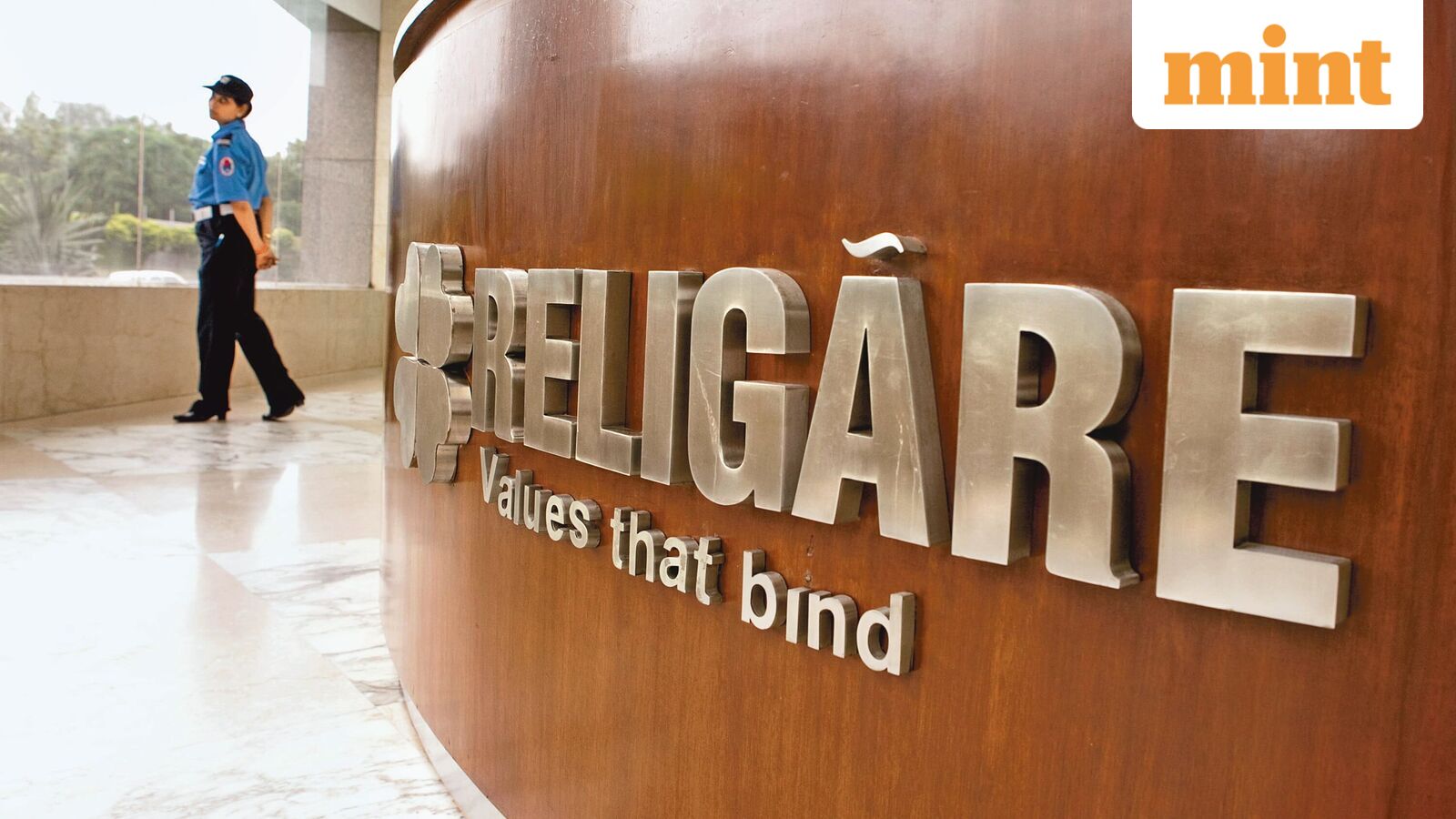
Mumbai, India – Religare Enterprises Ltd (REL), a prominent diversified financial services conglomerate, is embarking on a significant strategic restructuring, announcing plans to demerge its core financial services and insurance operations into two distinct, publicly listed entities. This transformative move, approved by the boards of Religare Enterprises and its lending arm, Religare Finvest Ltd (RFL), is poised to reshape the group’s corporate architecture, promising enhanced focus, governance, and capital efficiency in an increasingly competitive Indian financial landscape. The decision, disclosed on a Saturday, is expected to draw considerable attention from market participants when trading resumes, reflecting the profound implications for shareholders and the broader sector.
The proposed demerger is heralded by the company as the "most efficient path to create focused platforms with enhanced governance and strategic flexibility." Under the intricate scheme, Religare Enterprises will retain its interest in Care Health Insurance, a rapidly growing player in India’s healthcare protection sector. Concurrently, the comprehensive financial services business – encompassing lending, broking, investment advisory, and various ancillary and support functions – will be transferred to Religare Finvest on a going concern basis. This strategic bifurcation is designed to allow each entity to pursue its unique growth trajectory, free from the constraints often associated with diversified conglomerates. Analysts frequently commend such demergers for their potential to unlock latent value by enabling investors to directly invest in specific business segments, whose individual valuations might otherwise be obscured within a larger, more complex corporate structure.
For existing shareholders of Religare Enterprises, the transaction is structured to ensure continuity of ownership. Religare Finvest will issue one fully paid-up equity share for every share held in Religare Enterprises, maintaining a 1:1 ratio. Upon the successful completion of the demerger process, Religare Finvest is slated for listing on both the BSE Ltd and the National Stock Exchange of India, with its shareholding pattern meticulously mirroring that of Religare Enterprises at the time of the split. This mechanism ensures that current investors will hold stakes in both the streamlined Religare Enterprises (primarily focused on health insurance) and the newly independent, listed Religare Finvest (dedicated to lending and other financial services). As of the last reported quarter ending December 31, the promoter group, led by the Burman family, held a substantial 26.3% stake in Religare Enterprises, underscoring their vested interest in the success of this restructuring.
The strategic rationale underpinning this demerger is multifaceted. Pratul Gupta, Chief Financial Officer of Religare Enterprises, articulated the vision: "We are simplifying our corporate structure to create two focused, well-capitalised and agile entities with distinct mandates." This move aims to address several key imperatives: streamlining operations, unlocking shareholder value by allowing independent valuation of distinct businesses, and enabling each entity to pursue tailored growth opportunities. In an era where market participants increasingly favour specialized businesses, the ability to optimize capital allocation, enhance transparency, and fine-tune capital structures based on specific business characteristics becomes paramount. This approach is expected to improve investor confidence and potentially attract a wider range of institutional investors who often have mandates for sector-specific investments. The long-term objective is to establish both entities as leaders within their respective domains, equipped with the necessary resources and strategic agility to capitalize on significant market opportunities.
The demerger process itself will unfold through a scheme of arrangement, a common legal framework for such corporate restructurings in India. This scheme will require diligent preparation, filing, and ultimately, approval from the National Company Law Tribunal (NCLT), along with various other statutory and regulatory clearances. The group has set an ambitious target to complete this intricate process and achieve the listing of Religare Finvest in the first quarter of FY28. While a timeline extending over several fiscal years highlights the complexity and regulatory diligence involved, it also provides a clear roadmap for stakeholders and allows for careful execution.
Post-demerger, the refocused Religare Enterprises will primarily be an investment holding company with its stake in Care Health Insurance. India’s health insurance sector is experiencing robust growth, driven by increasing healthcare costs, rising awareness of health protection, government initiatives promoting universal health coverage, and a burgeoning middle class. The market has witnessed consistent double-digit premium growth, with penetration still relatively low compared to developed economies, signaling immense untapped potential. A dedicated focus on this segment could allow Care Health Insurance to leverage its existing customer base of over 1.1 million across 1,275 locations, expand its product offerings (which include retail health plans, top-ups, personal accident, maternity, international travel, and critical illness insurance, as well as group and micro-insurance products), and invest more aggressively in digital transformation and distribution networks. This specialization would allow for capital deployment decisions directly aligned with the growth dynamics and regulatory environment specific to the insurance industry.
On the other hand, the newly independent Religare Finvest will house the group’s diversified financial services portfolio. This includes critical segments such as small and medium enterprise (SME) loans, affordable housing finance, and retail broking. The SME sector is a vital engine of the Indian economy, contributing significantly to GDP and employment, yet it often faces a substantial credit gap. Non-banking financial companies (NBFCs) like RFL play a crucial role in bridging this gap, offering flexible and accessible financing solutions. RFL’s existing network of 25 branches, primarily catering to SMEs, positions it to deepen its presence and expand its lending book. Similarly, the affordable housing finance segment is experiencing tailwinds from government support and rising urbanization. A focused RFL would be better positioned to attract capital specifically for these lending activities, optimize its cost of funds, and manage credit risk more effectively, potentially leading to higher profitability and a more attractive valuation for investors seeking exposure to India’s burgeoning credit market.
This demerger also carries significant implications from a governance and historical context perspective. Religare Finvest had previously been under the stringent Corrective Action Plan (CAP) restrictions imposed by the Reserve Bank of India (RBI) since January 18, 2018. These restrictions, a consequence of observed irregularities during the inspection of the company’s financial position as of March 31, 2017, severely curtailed its operations and lending activities. The removal of these restrictions on July 23, 2025, following the company’s rigorous compliance with CAP conditions and comprehensive changes in its management and board of directors, marks a pivotal moment in RFL’s rehabilitation. The Burman family, through its investment entities, secured control of Religare Enterprises in February 2025, taking its total shareholding to 25.2%. At the time, they articulated a clear strategic imperative: to instill stability, strengthen governance, drive sustainable growth, and maximize stakeholder value. The proposed demerger can be seen as a direct outcome and a culmination of these efforts, signaling a clear intent to move beyond past challenges and usher in an era of renewed focus and transparency.
While the announcement of the demerger was made on a Saturday, the immediate market reaction was partially visible on the preceding Friday, with Religare Enterprises’ shares closing 3.54% lower at ₹243.50 on the NSE. This initial dip could be attributed to a variety of factors, including market uncertainty regarding the long implementation timeline, potential regulatory hurdles, or simply profit-taking ahead of a major corporate announcement. However, many investment experts believe that such strategic separations, while sometimes leading to short-term volatility, often create long-term value for shareholders by allowing individual businesses to realize their full potential. The ability for each entity to optimize its capital structure, pursue distinct M&A opportunities, and cater to specific investor profiles can lead to a sum-of-the-parts valuation that exceeds the conglomerate’s previous market capitalization.
Looking ahead, the successful execution of this demerger could redefine Religare’s standing in the Indian financial services sector. By fostering two independent, agile, and well-capitalized entities, the group aims to create a more resilient and growth-oriented future. The focused management attention and dedicated capital allocation for each business are expected to drive improved operational performance and financial metrics. Furthermore, the enhanced transparency for investors will allow for a clearer assessment of each entity’s intrinsic value, potentially attracting specialized funds and long-term institutional investors. While the path to Q1 FY28 is long and will undoubtedly involve navigating regulatory complexities and market dynamics, this strategic unbundling represents a decisive step by Religare to unlock substantial value and solidify its position in India’s evolving financial landscape.