


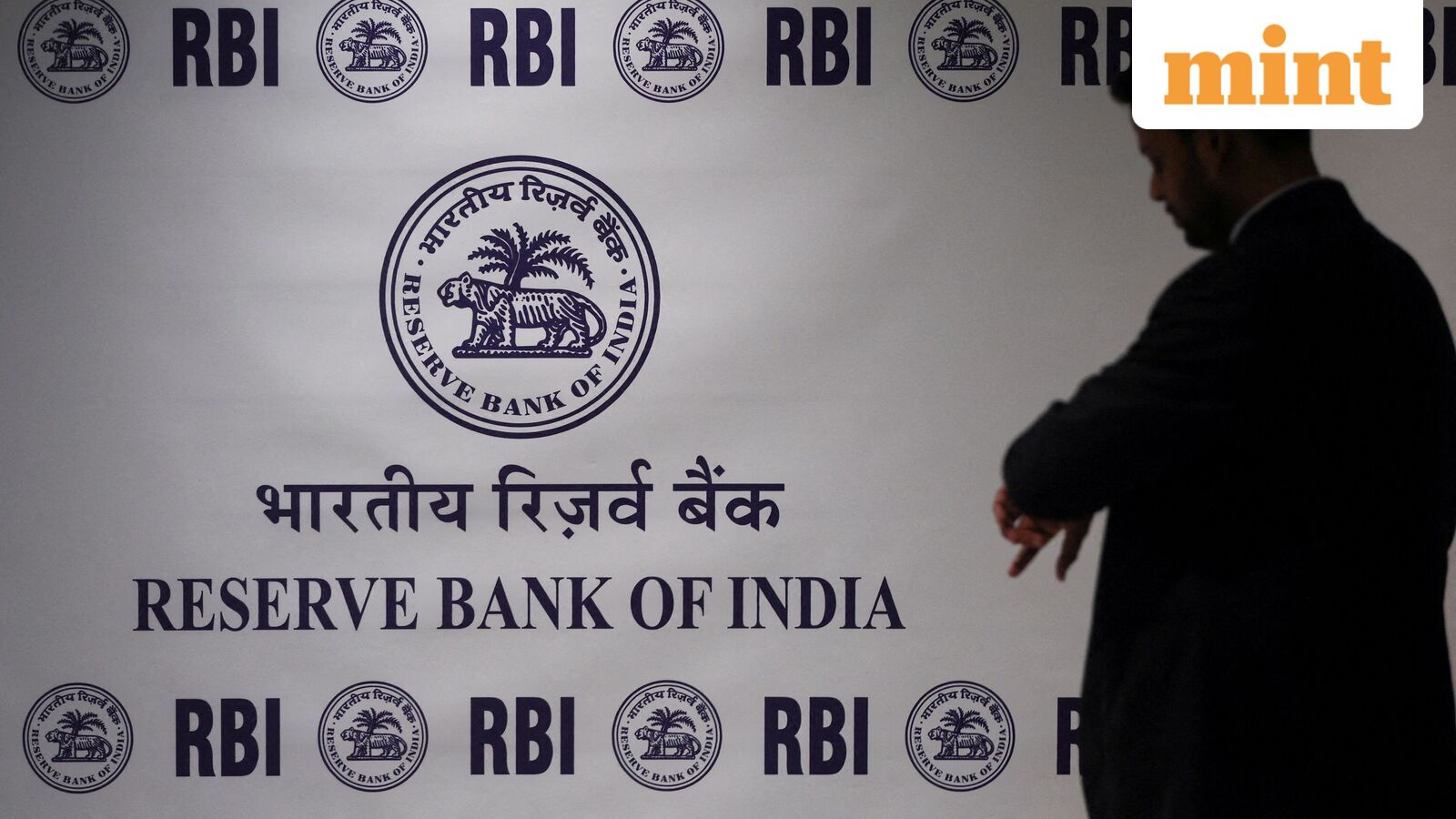
India’s financial landscape is poised for a significant transformation as the Reserve Bank of India (RBI) unveils a comprehensive set of draft guidelines aimed at eradicating mis-selling practices by commercial banks. These stringent new directives, which represent a pivotal shift in regulatory oversight, are designed to fortify customer protection, enhance transparency in financial product sales, and foster an environment of greater trust within the burgeoning Indian banking sector. Following an initial period for public comment, the regulations are slated for implementation from July 1, signaling the central bank’s unwavering commitment to ethical market conduct.
The catalyst for these sweeping reforms stems from persistent concerns flagged by the RBI regarding the sale of financial products, particularly third-party offerings, by regulated entities. The central bank emphasized the critical need for such products to be demonstrably suitable for customer needs and aligned with individual risk appetites. Historically, the rapid expansion of banking services, coupled with aggressive sales targets, has, at times, led to practices that prioritized institutional revenue over customer welfare. The new framework directly addresses these systemic vulnerabilities, laying the groundwork for a more accountable and consumer-centric financial ecosystem.
At the core of the RBI’s new mandate is a meticulously crafted definition of "mis-selling," providing much-needed clarity for both financial institutions and consumers. This definition encompasses a broad spectrum of unethical practices, including the promotion and sale of products demonstrably unsuitable for a customer’s specific profile, the dissemination of misleading or incomplete information, and the egregious act of selling products without the explicit, informed consent of the customer. Crucially, the guidelines also outlaw "compulsory bundling," a coercive tactic where customers are forced to purchase unwanted products alongside desired ones. This clear articulation of mis-selling provides a strong legal and ethical benchmark against which future sales practices will be evaluated, a significant step forward from previous, more ambiguous interpretations.
A cornerstone of the new regulatory edifice is the stringent requirement for "explicit consent." The RBI has defined this as a specific, informed, and unambiguous indication of agreement, which banks are now mandated to meticulously record. This goes beyond mere acquiescence, demanding a proactive and clear affirmation from the customer. Furthermore, the central bank has prohibited the practice of clubbing consent for multiple products. Each financial product or service must receive separate, individual consent, ensuring that customers fully understand and agree to each component of their financial engagement. This granular approach to consent mirrors best practices seen in global data privacy regulations like the EU’s General Data Protection Regulation (GDPR) and financial consumer protection frameworks such as MiFID II in Europe, which prioritize informed choice and customer autonomy.
Beyond traditional sales channels, the RBI has taken a decisive stance against "dark patterns"—deceptive digital design practices prevalent in the online realm. Banks are now expressly forbidden from deploying such tactics on their websites and mobile applications, which are often designed to nudge or trick users into making unintended choices. The guidelines cite illustrative examples like false urgency alerts, hidden charges unveiled late in a transaction, pre-ticked consent boxes, and intentionally complicated subscription cancellation processes. To ensure compliance, banks are directed to subject their user interfaces to periodic audits, a move that aligns with growing global efforts by regulators, including the US Federal Trade Commission and the UK’s Information Commissioner’s Office, to combat manipulative digital design. This proactive measure acknowledges the increasing digitization of financial services and seeks to extend consumer protection into the virtual space, where many financial decisions are now made.
The draft guidelines also mandate the establishment of a comprehensive, board-approved policy within each bank, covering crucial aspects such as suitability assessments, robust customer feedback mechanisms, and clear compensation frameworks for instances of mis-selling. Banks are now obligated to conduct thorough suitability assessments, evaluating factors like a customer’s age, income, financial literacy, existing financial commitments, and risk tolerance before recommending any product. This proactive measure aims to ensure that financial products genuinely align with a customer’s needs and capacity, rather than simply meeting a sales quota. For instance, a complex, high-risk investment product would likely be deemed unsuitable for a retiree with limited financial literacy and a low-risk appetite, regardless of potential returns.
The regulatory net also tightens around Direct Selling Agents (DSAs) and Direct Marketing Agents (DMAs), who often serve as the first point of contact for many customers seeking financial products. Banks are now required to maintain and publicly publish an updated list of all such authorized agents, ensuring transparency and accountability. Furthermore, these agents must undergo proper training and certification, guaranteeing a baseline level of product knowledge and ethical conduct. A critical directive is that DSAs and DMAs operating within bank premises must be clearly distinguishable from permanent bank staff, eliminating potential confusion and ensuring customers understand the nature of their interaction. This addresses a long-standing grievance where customers sometimes mistook agents for bank employees, leading to misplaced trust and potential exploitation.

To curb aggressive sales tactics driven by incentive structures, the RBI has explicitly discouraged practices that could encourage mis-selling. Furthermore, banks are now strictly barred from mandating the bundling of third-party products with their own offerings. The practice of funding product purchases through loans without explicit customer consent has also been prohibited, closing a loophole that could lead to customers acquiring debt for products they neither wanted nor fully understood. These measures collectively aim to shift the focus from volume-driven sales to value-driven, customer-centric advisory services.
Accountability and redressal mechanisms are significantly strengthened under the new framework. Banks are now required to proactively seek customer feedback within 30 days of a sale, creating an early warning system for potential issues. This feedback will inform half-yearly reports, providing the RBI with crucial data on sales practices and customer satisfaction trends. Perhaps the most impactful provision is the clear mandate for compensation: if mis-selling is established, banks must refund the entire amount paid by the customer and provide additional compensation for any losses incurred. This explicit liability makes banks directly responsible for the actions of their sales force and agents, creating a powerful disincentive against unethical practices and significantly empowering consumers.
The economic implications of these reforms are multifaceted. For the banking sector, the immediate impact may involve increased compliance costs, significant investment in staff training, technology upgrades for robust consent recording and audit trails, and a potential recalibration of sales targets and incentive structures. Some financial institutions might experience short-term dips in revenue from bundled or aggressively sold products. However, industry observers and financial analysts suggest that these initial expenditures will likely be outweighed by long-term gains in customer loyalty, enhanced brand reputation, and a more stable operating environment. Reduced litigation risk and a stronger regulatory standing could also translate into better valuations and investor confidence.
For consumers, the benefits are clear and substantial. The new guidelines promise greater transparency, more informed decision-making, and robust protection against predatory sales tactics. This heightened level of trust could encourage deeper financial market participation, particularly among segments of the population historically wary of complex financial products. By fostering an environment where customers feel secure and respected, the RBI’s measures could contribute to broader financial inclusion and literacy across the nation. A financially empowered populace, making sound decisions, is a critical ingredient for robust and equitable economic growth.
Globally, India’s move positions its financial regulatory framework among the more progressive in terms of consumer protection. The emphasis on explicit consent, the crackdown on dark patterns, and the clear definition of mis-selling align with evolving international standards that prioritize customer welfare in an increasingly complex and digitized financial world. The proactive nature of these reforms, ahead of widespread systemic crisis, reflects a mature and forward-looking regulatory approach.
Looking ahead, the successful implementation of these guidelines will hinge on several factors. Banks will need to embed a culture of responsible business conduct deep within their organizational structures, moving beyond mere box-ticking compliance. The RBI, for its part, will need to ensure consistent oversight, prompt enforcement, and a willingness to adapt the guidelines as market practices evolve. The role of technology will be crucial, not just in combating dark patterns, but also in facilitating transparent consent mechanisms, efficient feedback collection, and robust audit trails.
In essence, the RBI’s new directions mark a watershed moment for India’s banking sector. They signify a resolute commitment to placing the customer at the heart of financial services, moving away from a transactional sales mindset towards one built on trust, transparency, and ethical engagement. While the transition may present challenges, the long-term vision is clear: a financial system that not only fuels economic growth but also safeguards the interests and empowers the choices of every Indian consumer.