
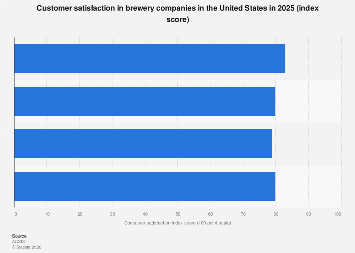
The American craft beer industry, a dynamic and often volatile sector, is poised for a significant evolution in consumer perception heading into 2025. While specific, granular data on brewery customer satisfaction for 2025 remains proprietary and accessible through specialized market intelligence platforms, broader economic indicators and industry trends offer a compelling narrative about the forces shaping consumer loyalty and purchasing decisions within this competitive landscape. Understanding these underlying currents is crucial for breweries seeking to not only survive but thrive in the coming year.
The craft beer market, once a rapid-growth darling of the beverage alcohol sector, has matured considerably. What began as a niche rebellion against mass-produced lagers has transformed into a sprawling, diverse ecosystem encompassing thousands of breweries, from micro-operations to regional giants. This maturation has brought increased competition, forcing breweries to differentiate themselves beyond mere product quality. Consumer expectations have likewise evolved, moving from novelty and unique flavor profiles to encompass a wider array of factors, including sustainability, brand ethics, community engagement, and overall customer experience.
Globally, the beverage alcohol market is experiencing a similar recalibration. While spirits have seen robust growth in many developed markets, beer, particularly craft beer, faces challenges related to shifting consumer preferences towards healthier alternatives, lower-alcohol options, and a broader appreciation for diverse beverage categories, including ready-to-drink (RTD) cocktails and premium non-alcoholic beverages. In the United States, this translates to a need for breweries to constantly innovate and adapt to a discerning consumer base.
Several key drivers are likely to influence brewery customer satisfaction in 2025. Firstly, the economic climate will play a pivotal role. Inflationary pressures, even if moderating, continue to impact disposable incomes. Consumers are becoming more selective with their discretionary spending, and the premium price point often associated with craft beer may face increased scrutiny. Breweries that can demonstrate exceptional value, whether through consistent quality, unique offerings, or strong brand loyalty programs, will be better positioned to retain their customer base. Market data from consumer spending reports indicates a slight but noticeable shift towards value-conscious purchasing habits across various retail sectors, and the beverage alcohol industry is not immune.
Secondly, the emphasis on sustainability and ethical sourcing is no longer a niche concern but a mainstream expectation, particularly among younger demographics. Consumers are increasingly interested in a brewery’s environmental footprint, from water usage and waste management to packaging materials and local ingredient sourcing. Brands that can credibly communicate their commitment to these principles are likely to build deeper connections with their patrons. For example, breweries investing in renewable energy or implementing comprehensive recycling programs often find this resonates positively with consumers, translating into greater brand advocacy. This trend is amplified by a growing awareness of climate change and corporate social responsibility, making it a critical differentiator in a crowded market.
Thirdly, the "experience economy" continues to shape consumer behavior. For many craft beer enthusiasts, visiting a brewery is not just about purchasing a beverage; it’s about the atmosphere, the social interaction, and the overall sensory experience. Breweries that offer well-designed taprooms, engaging events, knowledgeable staff, and a welcoming environment are likely to foster higher levels of customer satisfaction and repeat business. This goes beyond simply serving good beer; it encompasses the entire customer journey from the moment they consider visiting to their departure. Data from the hospitality sector consistently shows that experiential elements contribute significantly to customer retention and positive word-of-mouth marketing.
Furthermore, the digital landscape continues to influence how consumers discover, engage with, and review breweries. Online reviews, social media sentiment, and a brewery’s digital presence are powerful tools that can significantly impact customer perception. Breweries that actively manage their online reputation, engage with customers on social media, and offer seamless online ordering or reservation systems will likely see improved satisfaction metrics. The ability to respond to feedback, both positive and negative, in a timely and constructive manner is also paramount. A strong online presence can also extend a brewery’s reach beyond its physical location, attracting a wider customer base interested in its story and products.
The competitive landscape itself is a significant factor. As the market matures, consolidation is inevitable. Larger craft breweries are acquiring smaller ones, and the lines between craft and mainstream are sometimes blurred. This can lead to a perception of authenticity being diluted for some consumers. Conversely, for others, the accessibility and wider distribution that come with larger entities can be a positive. Breweries that maintain a clear brand identity and a genuine connection with their core values are likely to resonate more strongly with consumers seeking an authentic experience. Analyzing market share data and merger and acquisition activity can provide insights into these shifts and their potential impact on consumer perception.
Looking at potential metrics that would inform customer satisfaction, these typically include repeat purchase rates, Net Promoter Score (NPS), customer reviews and ratings across various platforms, and survey data on brand loyalty and perceived value. While specific 2025 figures are not yet publicly available, historical trends suggest that breweries excelling in product consistency, innovation, community engagement, and a positive taproom experience tend to achieve higher satisfaction scores. Conversely, issues such as inconsistent beer quality, poor customer service, or a perceived lack of authenticity can quickly erode consumer goodwill.
In conclusion, the landscape of U.S. brewery customer satisfaction in 2025 will be shaped by a complex interplay of economic realities, evolving consumer values, and the ongoing maturation of the craft beer market. Breweries that prioritize transparency, sustainability, authentic brand narratives, and exceptional customer experiences – both online and in-person – are best positioned to cultivate lasting loyalty and navigate the increasingly discerning tastes of the American beer drinker. The ability to adapt to these shifting tides will be the ultimate determinant of success in the coming year.