

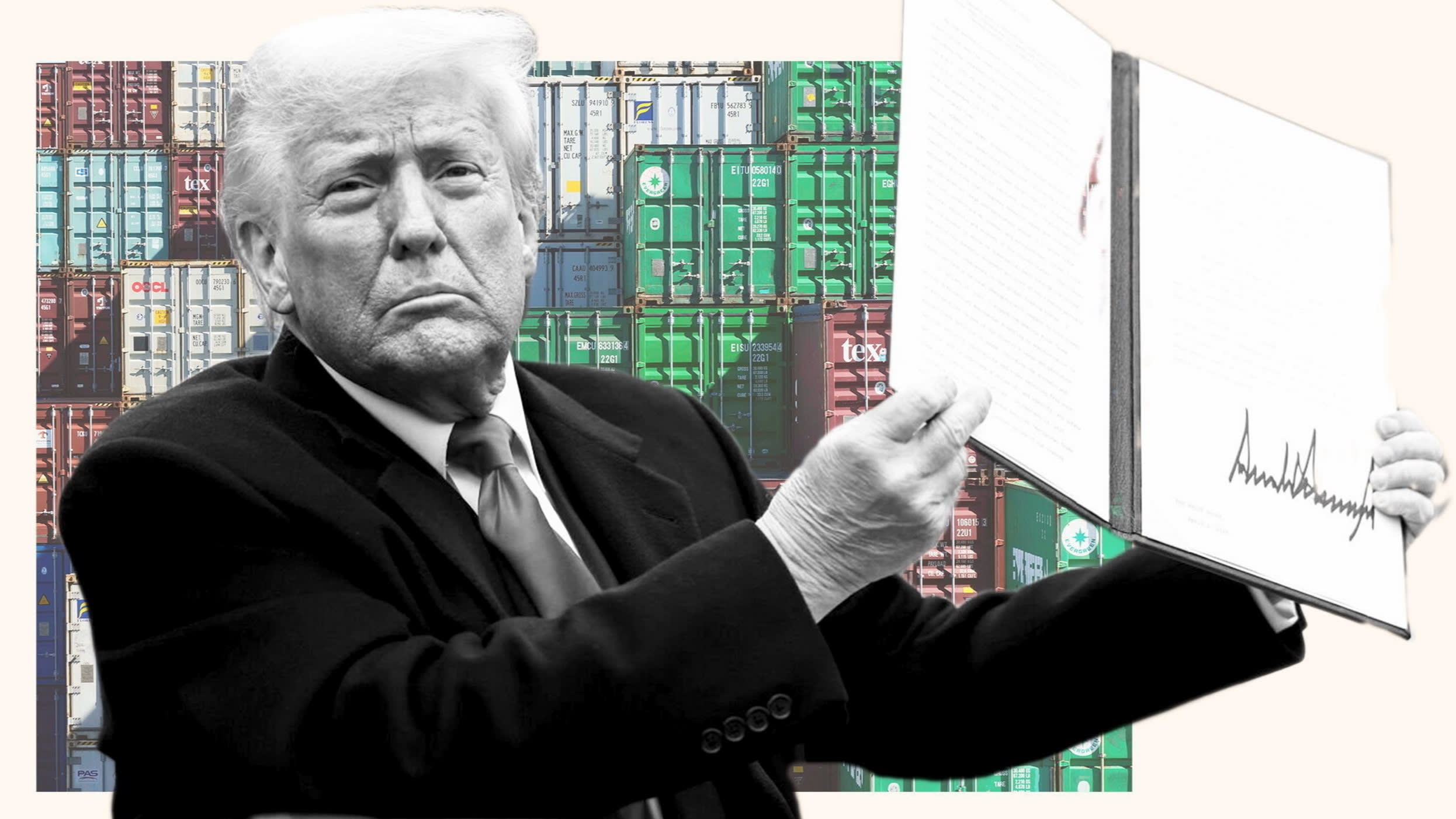
The return of aggressive trade rhetoric to the forefront of American economic policy has sent shockwaves through global markets, raising fundamental questions about the stability of existing international agreements. At the center of this burgeoning storm is the United States-Mexico-Canada Agreement (USMCA), a landmark deal that was originally brokered to modernize North American trade but now faces an existential challenge. The proposal of sweeping new tariffs—specifically a 25 percent levy on all goods from Mexico and Canada, alongside an additional 10 percent on Chinese imports—represents a significant pivot from the "rules-based" framework that the USMCA was intended to solidify. As businesses and policymakers grapple with the implications, the primary concern remains whether the spirit of regional cooperation can survive a shift toward unilateral protectionism used as a tool for geopolitical leverage.
The USMCA, which replaced the North American Free Trade Agreement (NAFTA) in 2020, was hailed by its architects as a "win-win-win" for the continent. It introduced stringent labor standards, updated digital trade rules, and increased regional value content requirements for the automotive sector. However, the recent threat to impose broad-based tariffs on these neighboring partners appears to bypass the very dispute-resolution mechanisms established within the pact. Historically, trade agreements are designed to provide certainty and eliminate the "tax" of duties; by reintroducing the threat of tariffs as a primary negotiating tactic, the administration risks undermining the foundational trust required for long-term cross-border investment.
Economically, the stakes could not be higher. Mexico and Canada are the United States’ largest trading partners, with total trilateral trade exceeding $1.5 trillion annually. The integration of these economies is particularly visible in the manufacturing sector, where components frequently cross borders multiple times before a final product is assembled. For instance, a single vehicle manufactured in North America may contain parts sourced from dozens of suppliers across all three nations. A 25 percent tariff would not merely be a "border tax" on foreign goods; it would act as a massive disruption to the highly synchronized "just-in-time" supply chains that have been refined over three decades.
Market analysts suggest that the immediate impact of such tariffs would be felt most acutely by the American consumer. In the automotive industry, where margins are often thin, the cost of a 25 percent duty would likely be passed directly to the buyer. Estimates from various economic think tanks suggest that such a move could add thousands of dollars to the price of a new truck or SUV, vehicles that are predominantly manufactured in Mexico and Canada. Furthermore, the agricultural sector, which relies heavily on the export of corn, soy, and dairy to North American neighbors, faces the looming specter of retaliatory tariffs. In past trade disputes, Mexico and Canada have targeted politically sensitive American exports, creating a cycle of economic pain that ripples through the Midwest and rural communities.
The motivation behind these latest threats appears to be rooted in non-trade issues, specifically border security and the flow of illicit narcotics like fentanyl. By linking trade access to domestic security concerns, the administration is utilizing a strategy of "economic statecraft" that views market access as a privilege rather than a treaty-bound right. While this may provide short-term leverage in diplomatic negotiations, it creates a volatile environment for multinational corporations. Businesses require a predictable regulatory landscape to commit to multi-billion-dollar capital expenditures. If the rules of the USMCA can be altered or bypassed through executive order at any moment, the "nearshoring" trend—where companies move manufacturing from Asia back to North America—could see a significant slowdown as investors seek more stable jurisdictions.
The implications for China add another layer of complexity to the global trade landscape. A proposed 10 percent additional tariff on Chinese goods, on top of existing Section 301 duties, signals a deepening of the "decoupling" or "de-risking" strategy. This move is designed to further penalize Beijing for what Washington describes as unfair trade practices and intellectual property theft. However, the cumulative effect of these tariffs could exacerbate inflationary pressures within the United States. While the domestic manufacturing base has seen some growth due to industrial policies like the CHIPS Act, the U.S. remains heavily dependent on Chinese inputs for electronics, pharmaceuticals, and renewable energy components. Economists warn that a multi-front trade war—simultaneously targeting neighbors and the world’s second-largest economy—could lead to a "stagflationary" environment where growth slows while prices rise.
Global comparisons illustrate the unique nature of the current American approach. While the European Union has recently moved toward protective measures, such as tariffs on Chinese electric vehicles, those actions have largely been conducted within the framework of World Trade Organization (WTO) rules and after lengthy anti-subsidy investigations. In contrast, the current American proposal leans heavily on Section 232 of the Trade Expansion Act of 1962, which allows for tariffs on national security grounds. This expansive interpretation of "national security" to include migration and drug interdiction is a significant departure from traditional trade diplomacy and challenges the authority of the WTO, which has already been weakened by the paralysis of its appellate body.
The legal standing of the USMCA in the face of these threats is also under scrutiny. Article 34.7 of the agreement includes a "sunset clause" that requires a formal review of the pact every six years. The first such review is scheduled for 2026. Many trade experts believe that the current tariff threats are a precursor to a total renegotiation during this review period. The administration may be using the threat of immediate tariffs to force Mexico and Canada into making concessions on labor, energy policy, or migration long before the 2026 deadline. However, this high-stakes gambling risks a total collapse of the agreement, which would revert trade relations to a pre-1994 state, characterized by high barriers and reduced cooperation.
Currency markets have already begun to price in the uncertainty. Following the latest announcements, the Mexican Peso and the Canadian Dollar both experienced notable volatility against the U.S. Dollar. A weaker Peso makes Mexican exports cheaper, potentially offsetting some of the tariff’s impact, but it also increases the cost of debt for Mexican firms and fuels inflation within Mexico. For Canada, a country whose economy is inextricably linked to U.S. demand, the prospect of permanent trade friction could lead to a significant reassessment of its economic growth forecasts for the coming decade.
From a corporate perspective, the "Tariff Man" era necessitates a new type of risk management. Supply chain officers are no longer just looking at logistics and labor costs; they are now forced to become amateur political scientists, predicting the whims of executive policy. The trend toward "friend-shoring"—trading primarily with ideological allies—is being tested by the fact that even the closest of "friends" are not immune to protectionist measures. This creates a paradox where the U.S. encourages companies to leave China for Mexico, only to penalize those same companies once they arrive in Mexico.
Ultimately, the long-term economic impact of these tariff threats depends on whether they are implemented as a permanent policy or used as a temporary bludgeon for negotiation. If the latter, the damage may be limited to temporary market jitters. If the former, the world may be witnessing the final unraveling of the post-Cold War era of globalization. The USMCA was supposed to be the blueprint for a new generation of trade deals that balanced corporate interests with labor and environmental protections. If it falls victim to unilateral tariffs, the message to the rest of the world will be clear: no treaty is truly "permanent," and the era of predictable, rules-based trade has been replaced by an era of transactional power politics. As the 2026 review approaches, the North American continent finds itself at a crossroads, deciding whether to double down on integration or retreat behind walls of duties and discord.