


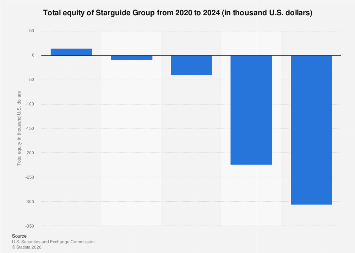
The global business environment in 2024 is characterized by an unprecedented demand for granular, accurate, and timely data. For investors, analysts, and strategic decision-makers, understanding the equity valuation of key entities like Starguide Group is paramount. This article delves into the intricacies of how such valuations are assessed, the factors influencing them, and the broader economic implications, particularly within the context of the premium data services market.
At its core, equity valuation is a process of determining the current worth of a company. This involves a multifaceted approach, integrating financial analysis, market sentiment, and projections of future performance. In the current economic climate, where digital transformation and data-driven insights are no longer optional but essential, companies that possess and effectively leverage high-quality data are seeing their valuations ascend. Starguide Group, operating within this dynamic sphere, is a prime example of an entity whose equity is inextricably linked to its data assets and its ability to monetize them.
The market for premium statistics and market intelligence is experiencing robust growth. Driven by the need for competitive advantage, companies across sectors are willing to invest significantly in data that can inform critical business decisions, from product development and market entry strategies to investment allocation and risk management. This demand directly impacts the valuation of data providers. Starguide Group, as a significant player in this ecosystem, likely derives a substantial portion of its equity value from its proprietary datasets, analytical capabilities, and the subscription-based revenue generated from these services.
Understanding the pricing models for accessing such premium data provides a crucial lens through which to view Starguide Group’s potential equity value. For instance, a common tiered subscription model, often seen in the industry, offers different levels of access based on user needs and team size. A "Basic Account," typically providing access to free statistics only, holds minimal direct revenue-generating potential and thus contributes less to the overall equity valuation. However, it serves as an entry point for potential future upgrades.
More significant is the "Starter Account," often priced around $199 USD per month, billed annually. This tier, designed for single users, usually includes access to a selection of "Premium Statistics," indicating that the core value proposition of the company lies in these exclusive datasets. The annual billing structure suggests a commitment from users and provides a more predictable revenue stream, a key factor in equity valuation. Multiplied across a substantial user base, this tier alone can represent a significant revenue contributor.
The "Professional Account," typically catering to teams of up to five people and priced at approximately $1,399 USD per month, billed annually, represents a higher echelon of data access and monetization. This tier likely offers comprehensive access to all datasets, advanced analytical tools, and dedicated support. For a company like Starguide Group, the revenue generated from these higher-tier accounts is a critical determinant of its valuation. The substantial monthly price point, even when annualized, reflects the perceived high value and criticality of the data and services provided. This segment is likely the primary driver of Starguide Group’s equity value, as it caters to businesses that integrate data insights directly into their core operations and strategic planning.
These pricing structures are not arbitrary; they are informed by market research, competitive analysis, and the perceived economic benefit users derive from the data. In 2024, where data is often described as the "new oil," the ability to extract actionable intelligence can lead to substantial cost savings, revenue growth, and market share gains. The return on investment for companies subscribing to premium data services is a key factor influencing the willingness to pay, and consequently, the valuation of the data provider.
Furthermore, the terms of these subscriptions, such as the requirement for an annual contract that renews at regular list prices, contribute to the stability and predictability of Starguide Group’s revenue. This recurring revenue model is highly attractive to investors and is a cornerstone of how many technology and data-centric companies are valued. Predictable revenue streams reduce financial risk and allow for more accurate forecasting of future earnings, thereby bolstering equity valuations. It is important to note that such pricing often excludes sales tax, a common practice in B2B service contracts, with the renewal at the regular list price indicating a commitment to maintaining pricing integrity and market value.
Beyond the direct revenue from subscriptions, Starguide Group’s equity valuation in 2024 is likely influenced by several other factors. These include the breadth and depth of its data coverage, the sophistication of its analytical tools, the scalability of its platform, and the strength of its brand reputation within the industry. A robust intellectual property portfolio, including proprietary algorithms and unique data collection methodologies, would also significantly enhance its valuation.
The competitive landscape is also a critical consideration. Starguide Group operates in a market with numerous players, ranging from large, established market research firms to agile, specialized data analytics startups. Its ability to differentiate itself through superior data quality, innovative analytical approaches, and exceptional customer service would be key to maintaining and growing its market share and, consequently, its equity value. Global comparisons are also relevant; how Starguide Group’s pricing, data offerings, and market penetration stack up against international competitors can provide benchmarks for its valuation. For instance, in the United States, the data analytics market is highly mature and competitive, with valuations often reflecting a blend of SaaS metrics and intellectual property. In Europe, regulatory frameworks like GDPR can influence data collection and usage, potentially impacting valuation for companies operating across the Atlantic. Asia, with its rapidly growing economies and increasing digital adoption, presents both opportunities and unique competitive dynamics.
The economic impact of companies like Starguide Group extends beyond their own valuations. By providing essential data and insights, they empower other businesses to make more informed decisions, fostering innovation, efficiency, and economic growth across various sectors. The availability of accurate market data can help mitigate investment risks, identify emerging trends, and optimize resource allocation, thereby contributing to overall economic stability and progress.
In conclusion, understanding Starguide Group’s equity valuation in 2024 necessitates a deep dive into the economics of the premium data market. The company’s value is intrinsically tied to its ability to collect, analyze, and monetize high-quality data through sophisticated subscription models. The tiered pricing structures, from the entry-level Starter Account to the comprehensive Professional Account, reflect the perceived value and critical utility of its offerings to businesses worldwide. Factors such as data quality, analytical prowess, market position, and recurring revenue streams all converge to shape its valuation in an increasingly data-centric global economy.