

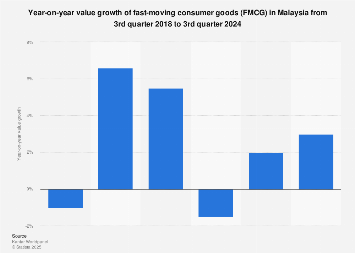
Malaysia’s Fast-Moving Consumer Goods (FMCG) sector is anticipated to experience a significant uptick in value growth throughout 2024, signaling a dynamic recovery and expansion phase for one of the nation’s most crucial economic pillars. This projection underscores the resilience and adaptability of Malaysian consumers and businesses alike, navigating evolving economic landscapes and shifting purchasing behaviors. While specific percentage figures for this projected growth are often held within proprietary market intelligence databases, industry analyses consistently point towards a robust upward trend, driven by a confluence of factors including sustained consumer demand, strategic market innovations, and a gradual but steady improvement in economic sentiment across the region.
The FMCG market, by its very nature, encompasses everyday essentials – from food and beverages to personal care items and household cleaning products. Its performance is often seen as a bellwether for broader economic health, as these are the goods that households continue to purchase even during periods of economic uncertainty. For Malaysia in 2024, several key drivers are contributing to the optimistic outlook. Firstly, a growing middle class with increasing disposable income continues to be a foundational element. As incomes rise, so does the propensity to spend on a wider array of branded and premium FMCG products, moving beyond basic necessities to encompass more value-added items. This demographic shift is particularly pronounced in urban centers, where access to a greater variety of retail channels, including modern supermarkets and convenience stores, further stimulates consumption.
Secondly, the e-commerce boom, which saw an accelerated adoption during recent global health events, has permanently altered consumer shopping habits. Online platforms have made FMCG products more accessible than ever, offering convenience, competitive pricing, and a wider selection. Retailers and manufacturers are increasingly investing in digital infrastructure, direct-to-consumer (DTC) models, and sophisticated logistics to cater to this growing online segment. This digital transformation is not merely about convenience; it’s about expanding market reach, particularly to underserved areas, and gathering valuable consumer data to inform product development and marketing strategies. The value growth is therefore not just about increased volume but also about consumers opting for more convenient or premium online purchasing experiences.
Furthermore, the Malaysian government’s economic policies and initiatives aimed at boosting domestic consumption and attracting foreign investment are playing a supportive role. Measures such as targeted subsidies, tax incentives, and efforts to stabilize inflation contribute to a more favorable environment for consumer spending. As consumer confidence gradually strengthens, households are more likely to allocate a larger portion of their budgets to FMCG purchases. This confidence is crucial, as it translates directly into spending power and a willingness to engage with the market.
Geographically, the growth is expected to be distributed across Malaysia, with urban conurbations like the Klang Valley remaining dominant hubs. However, there is also a significant potential for growth in secondary cities and even rural areas, as improved infrastructure and expanded retail networks bring a wider range of products and brands within reach of a larger population segment. This geographic diversification suggests a maturing market where growth is not solely concentrated but is becoming more evenly distributed, reflecting a broader economic development across the nation.
Looking at specific market segments within the FMCG umbrella, food and non-alcoholic beverages are expected to remain the largest contributors to overall value growth. This is driven by fundamental consumer needs and evolving dietary preferences. There’s a noticeable trend towards healthier options, plant-based alternatives, and convenient ready-to-eat meals, reflecting a greater health consciousness and busy lifestyles. Manufacturers are responding by innovating their product portfolios, reformulating existing products, and launching new lines that cater to these specific demands.
The personal care and cosmetics segment also presents a promising avenue for value growth. As consumers become more discerning about their appearance and well-being, demand for skincare, haircare, and beauty products is on the rise. Premiumization within this segment is a key trend, with consumers willing to pay more for products offering advanced formulations, natural ingredients, or sustainable packaging. Social media influencers and digital marketing campaigns are playing a significant role in shaping consumer preferences and driving sales in this dynamic category.
The tobacco segment, while subject to regulatory scrutiny and evolving consumer habits, continues to represent a substantial portion of the FMCG market value. However, growth in this area may be more tempered compared to other segments, influenced by public health campaigns and taxation policies.
Global comparisons offer valuable context for Malaysia’s FMCG market trajectory. Many Southeast Asian economies are experiencing similar patterns of growth, driven by demographic advantages, rising middle classes, and increasing digital penetration. Countries like Indonesia, the Philippines, and Vietnam, with their large and young populations, are also showing robust FMCG market expansion. Malaysia’s position within this regional dynamic suggests a competitive yet collaborative environment, where best practices and market trends often cross borders. The nation’s ability to leverage its strategic location and established trade relationships further enhances its appeal within the global FMCG supply chain.
The economic impact of a thriving FMCG sector in Malaysia extends far beyond retail sales. It directly supports a vast ecosystem of industries, including agriculture, manufacturing, logistics, packaging, and marketing. Job creation is a significant benefit, with employment opportunities spanning from farm labor and factory work to supply chain management and retail operations. Increased domestic production and consumption also contribute to the nation’s Gross Domestic Product (GDP), bolstering its overall economic performance. Furthermore, a strong FMCG sector can attract foreign direct investment as international companies seek to tap into Malaysia’s growing consumer market and its favorable business environment.
Challenges, however, are inherent in any dynamic market. Fluctuations in raw material prices, supply chain disruptions, and intense competition remain ongoing concerns for FMCG players. Inflationary pressures can impact consumer purchasing power, potentially shifting demand towards more value-oriented products. Navigating these complexities requires agility, strategic planning, and a deep understanding of consumer sentiment. Companies that can effectively manage costs, innovate their offerings, and maintain strong relationships with both consumers and suppliers are best positioned to capitalize on the projected growth. The ability to adapt to changing consumer preferences, embrace technological advancements, and maintain a focus on sustainability will be critical for sustained success in the Malaysian FMCG landscape throughout 2024 and beyond. The projected value growth, therefore, is not just a number but a reflection of a complex interplay of economic forces, consumer behaviors, and strategic business decisions shaping the future of everyday commerce in Malaysia.