


On February 19th, Maharashtra, India’s economic powerhouse, observes a significant public holiday: Chhatrapati Shivaji Maharaj Jayanti. This annual commemoration, honouring the birth of the revered 17th-century Maratha warrior king, translates into a complete closure of public and private banking institutions across the state, from the bustling financial hub of Mumbai to industrial centres like Nagpur and Pune. While a celebration deeply rooted in regional identity and historical pride, such a widespread banking pause in a state contributing significantly to India’s Gross Domestic Product (GDP) inevitably prompts a closer examination of its economic ramifications and the broader trends shaping India’s financial sector.
The historical tapestry woven around Chhatrapati Shivaji Maharaj is central to Maharashtra’s cultural and political identity. Born in 1630 at Shivneri Fort in Pune, Shivaji is celebrated for his military genius, administrative acumen, and the establishment of an independent Maratha kingdom against formidable adversaries. His innovative guerrilla warfare tactics, emphasis on justice, and secular governance principles have enshrined him as a national icon, particularly in Maharashtra, where his legacy is a potent symbol of self-rule and regional pride. The observance of his birth anniversary as a state holiday, a tradition initiated by social reformers in the late 19th century, underscores the deep reverence he commands, leading to widespread public celebrations, cultural events, and, consequently, the suspension of normal business operations.
For the banking sector, holidays like Chhatrapati Shivaji Maharaj Jayanti are governed by the Reserve Bank of India (RBI) calendar, which delineates closures under several categories. The primary classification falls under the Negotiable Instruments Act, 1881, which mandates the closure of banks for public holidays. Other categories include Real-Time Gross Settlement (RTGS) holidays and bank-specific account closing days. It is crucial to note that these holidays are often state-specific, reflecting India’s diverse cultural and religious landscape. A banking holiday in Maharashtra, for instance, does not imply a similar closure in Delhi or Kolkata, highlighting a complex, localised approach to financial sector operations that international observers might find distinct from more uniformly observed national holidays in other major economies.
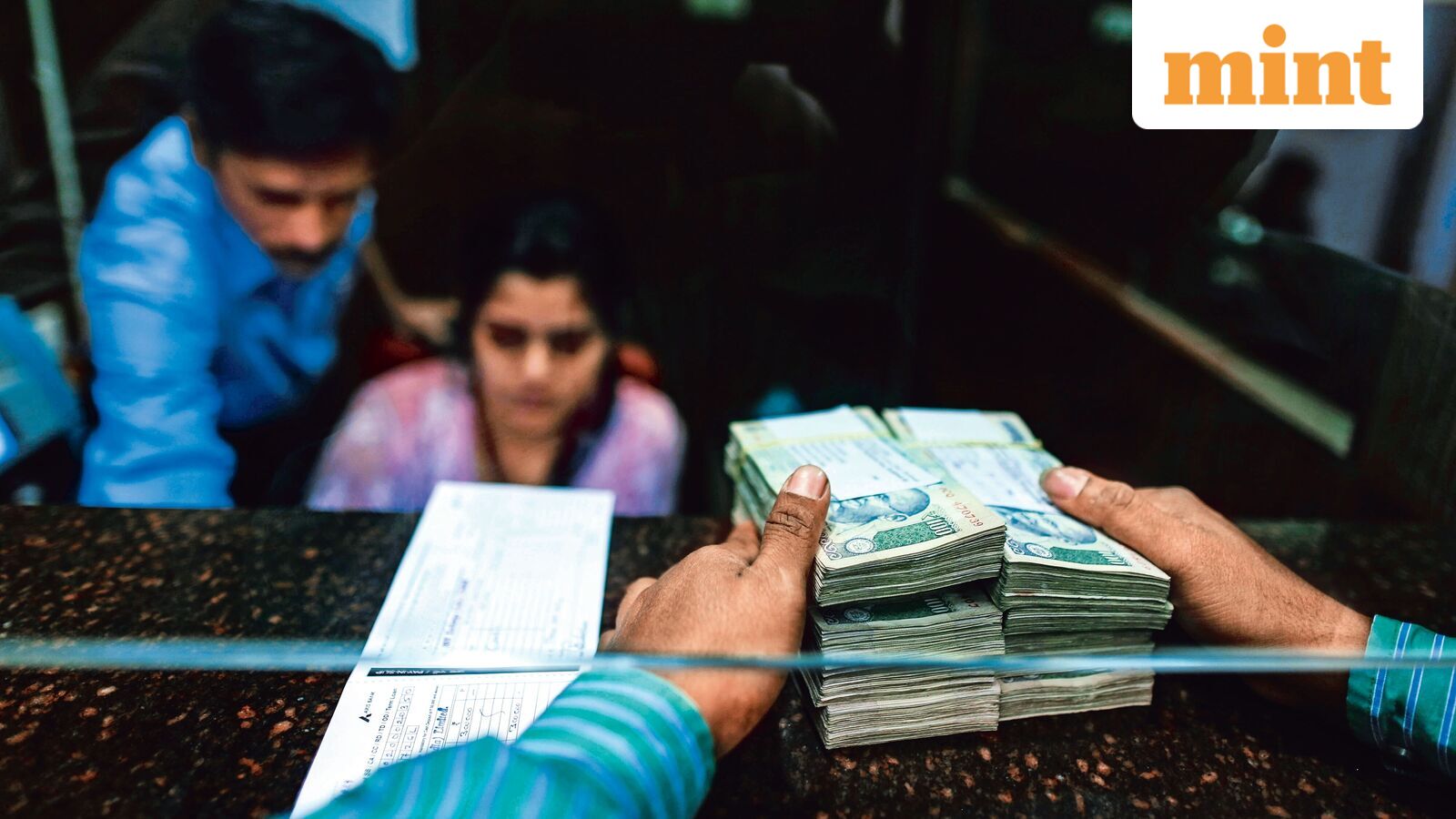
The immediate economic impact of a banking holiday in a state as vital as Maharashtra is multifaceted. Maharashtra accounts for over 15% of India’s GDP, with Mumbai serving as the nation’s financial capital, housing the headquarters of major banks, financial institutions, and the Bombay Stock Exchange. A day’s closure means a halt in physical banking transactions, affecting everything from cheque clearings and cash deposits to loan disbursements and foreign exchange operations. Businesses, particularly small and medium-sized enterprises (SMEs) that rely heavily on daily cash flow and physical branch interactions, can experience temporary liquidity constraints. Larger corporations, too, must pre-plan their treasury management and payroll processing to navigate these scheduled pauses. While stock exchanges typically operate on a different holiday schedule and often remain open, the broader financial ecosystem experiences a ripple effect.

However, the advent of digital banking has significantly mitigated the disruptive potential of such holidays. India’s digital payments ecosystem has witnessed an exponential surge in recent years, driven by platforms like the Unified Payments Interface (UPI). UPI transactions alone routinely exceed 10 billion per month, with a transactional value often surpassing INR 15-18 trillion (approximately USD 180-220 billion). Services such as mobile banking, internet banking, immediate payment service (IMPS), and ATMs remain operational 24/7, even on bank holidays. This ensures that essential financial activities like fund transfers, bill payments, balance inquiries, and even online loan applications continue uninterrupted. For consumers, this means convenience and continuity; for businesses, it offers a crucial layer of resilience against operational pauses, allowing for critical financial movements to proceed outside of traditional banking hours.
The shift towards digital platforms has been a game-changer, but it doesn’t entirely negate the importance of physical branches. Certain complex transactions, high-value transfers, corporate banking services, and customer grievance redressals often still necessitate in-person interactions. Furthermore, a significant segment of the population, particularly in semi-urban and rural areas, may still prefer or rely solely on physical branches, either due to limited digital literacy, lack of access to smartphones or internet, or a preference for traditional methods. For these demographics, a bank holiday can indeed pose a temporary inconvenience or even a hurdle to accessing critical financial services.
Comparing India’s holiday system with global practices reveals both commonalities and distinctions. Many countries observe national holidays that result in banking closures, impacting economic activity. For instance, countries like Japan are known for their relatively high number of public holidays, which can periodically affect productivity. In contrast, the United States typically observes fewer federal holidays, though individual states may have additional observances. What sets India apart is the pronounced regional variation in bank holidays, often tied to local festivals, historical figures, or state-specific founding days. This decentralised approach, while culturally rich, adds a layer of complexity for businesses operating across multiple states, necessitating careful planning and reliance on digital infrastructure.
Looking ahead, the trend suggests a continued evolution in how banking services are delivered and accessed during holidays. As digital penetration deepens and financial technology (fintech) solutions become more sophisticated, the economic impact of physical bank closures may further diminish. Artificial intelligence-powered chatbots, automated customer service, and advanced digital payment gateways are increasingly handling routine transactions and queries, reducing the reliance on human intervention. However, the regulatory framework will also need to adapt, ensuring that cybersecurity measures are robust and that financial inclusion efforts continue to bring the unbanked and digitally underserved populations into the mainstream, thereby ensuring equitable access to financial services irrespective of holidays.
Ultimately, the observance of Chhatrapati Shivaji Maharaj Jayanti in Maharashtra serves as a poignant reminder of the interplay between cultural heritage, regional identity, and modern economic realities. While it represents a temporary pause in physical banking operations, it also underscores the robust digital transformation within India’s financial sector, enabling continuity and resilience. The day’s pause encourages reflection on the past while simultaneously highlighting the future-forward trajectory of a nation rapidly embracing digital solutions to navigate the complexities of its diverse and dynamic economic landscape.