

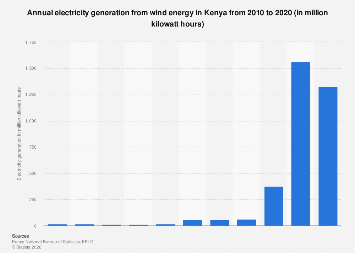
Kenya is experiencing a significant and sustained surge in electricity generation from wind energy, positioning the East African nation as a frontrunner in the continent’s burgeoning renewable energy landscape. This dramatic increase in wind power output is not merely a statistic but a pivotal development with far-reaching economic and environmental implications, reflecting a strategic commitment to diversifying the national energy mix and enhancing energy security. The nation’s ambitious renewable energy targets, coupled with substantial investments in wind farm infrastructure, are reshaping its power sector and setting a precedent for other developing economies seeking cleaner, more sustainable energy solutions.
The growth trajectory of wind energy in Kenya is nothing short of remarkable. Over the past decade, wind power has transitioned from a nascent contributor to a dominant force in the country’s electricity generation portfolio. This expansion is largely attributable to the successful development of large-scale wind farms, most notably the Lake Turkana Wind Power Project, which, upon its commissioning, became one of the largest wind farms in Africa. This single project significantly boosted Kenya’s installed wind capacity and its contribution to the national grid. Data indicates a consistent upward trend in the percentage of electricity derived from wind, a stark contrast to the nation’s historical reliance on hydroelectric and thermal power. This diversification is crucial for mitigating the risks associated with climate variability, which can severely impact hydropower generation, and for reducing the volatility of fuel prices associated with thermal power.
Globally, the renewable energy sector is experiencing unprecedented growth, driven by falling technology costs, increasing environmental awareness, and supportive government policies. Within this global context, Kenya’s performance in wind energy stands out. While countries like China, the United States, and Germany lead in absolute installed wind capacity, Kenya’s progress is significant when viewed in terms of its proportion of national energy generation and its impact on a developing economy. For instance, while the installed capacity of wind power in Europe and North America is measured in gigawatts and accounts for substantial portions of their respective grids, Kenya’s achievements are critical for its energy independence and its transition away from fossil fuels. The International Renewable Energy Agency (IRENA) has consistently highlighted Africa’s vast untapped renewable potential, with wind power being a prime example. Kenya’s success story serves as a compelling case study for other nations on the continent looking to harness their own wind resources.
The economic impact of this wind energy expansion is multifaceted. Firstly, it contributes to job creation, both during the construction phase of wind farms and in their ongoing operation and maintenance. These are often skilled jobs, contributing to the development of a specialized workforce within Kenya. Secondly, increased reliance on domestically sourced wind power reduces the country’s dependence on imported fossil fuels, thereby improving the balance of payments and conserving foreign exchange reserves. This reduced reliance on imported fuels also shields the economy from global price fluctuations, leading to more stable and predictable energy costs for consumers and industries. Furthermore, a more reliable and affordable energy supply is a critical enabler for industrial development and economic competitiveness, attracting foreign investment and fostering domestic business growth.
Beyond the direct economic benefits, the environmental advantages are substantial. Wind power is a clean energy source that produces electricity without emitting greenhouse gases or other air pollutants. As Kenya strives to meet its climate change commitments, such as those outlined in the Paris Agreement, the expansion of wind energy plays a vital role in reducing its carbon footprint. This not only contributes to global efforts to combat climate change but also improves local air quality, leading to better public health outcomes. The shift towards renewables aligns with global sustainability goals and enhances Kenya’s international reputation as a responsible global citizen committed to environmental stewardship.
However, the path to maximizing wind energy’s potential is not without its challenges. Intermittency remains a key consideration for wind power. While advancements in grid management and energy storage technologies are ongoing, ensuring a consistent and stable supply of electricity from wind sources requires careful planning and investment in complementary technologies, such as battery storage and smart grid infrastructure. Grid integration can also be complex, requiring upgrades to transmission lines to accommodate the new power sources, often located in remote areas with strong wind resources. Furthermore, the initial capital investment for large-scale wind projects can be substantial, necessitating robust financial frameworks, investor confidence, and effective policy support mechanisms.
Expert analysis from energy economists and sector analysts underscores the strategic importance of Kenya’s wind energy drive. They point to the country’s favorable wind regimes, particularly in regions like the Rift Valley, as a significant natural advantage. The success of projects like the Lake Turkana Wind Power project has demonstrated the viability of large-scale wind development in the Kenyan context, attracting further private sector interest and international development finance. The Kenyan government’s commitment through clear policy frameworks, including feed-in tariffs and renewable energy targets, has been instrumental in de-risking investments and creating a conducive environment for growth.
Looking ahead, the outlook for wind energy in Kenya remains highly promising. Continued investment in renewable energy infrastructure, coupled with advancements in technology and supportive policy environments, suggests that wind power will play an increasingly dominant role in meeting the country’s growing energy demands. The potential for further development is significant, with ongoing exploration and assessment of new wind resource sites. As Kenya continues its journey towards energy self-sufficiency and a low-carbon future, its wind energy sector is poised to be a cornerstone of its economic development and environmental sustainability efforts, serving as an inspiration for the broader African continent. The nation’s proactive approach to embracing wind power not only addresses its immediate energy needs but also positions it strategically for long-term economic resilience and environmental responsibility in an increasingly climate-conscious world.