

New Delhi has reiterated its firm commitment to a multi-pronged strategy for energy sourcing, a policy cornerstone designed to insulate its vast consumer base from the volatility of global commodity markets and geopolitical disruptions. This assertion, articulated by Indian Foreign Secretary Vikram Misri, underscores a core tenet of the nation’s economic security: ensuring an uninterrupted, affordable, and reliable flow of energy. The declaration comes amidst intricate global energy dynamics, notably the ongoing repercussions of the Russia-Ukraine conflict and a renewed focus on energy diversification among major economies.
As the world’s third-largest energy consumer, India’s energy appetite is immense and growing rapidly, driven by a burgeoning population, expanding industrialisation, and increasing urbanisation. The nation’s crude oil import dependence stands at over 85%, making it acutely vulnerable to price fluctuations and supply shocks. This structural vulnerability necessitates a robust and flexible procurement strategy. For years, India has relied heavily on Middle Eastern suppliers, with countries like Iraq and Saudi Arabia historically dominating its crude import basket. However, the events of the past few years have accelerated a deliberate shift towards broadening this base, mitigating concentration risks, and enhancing strategic autonomy in energy procurement.
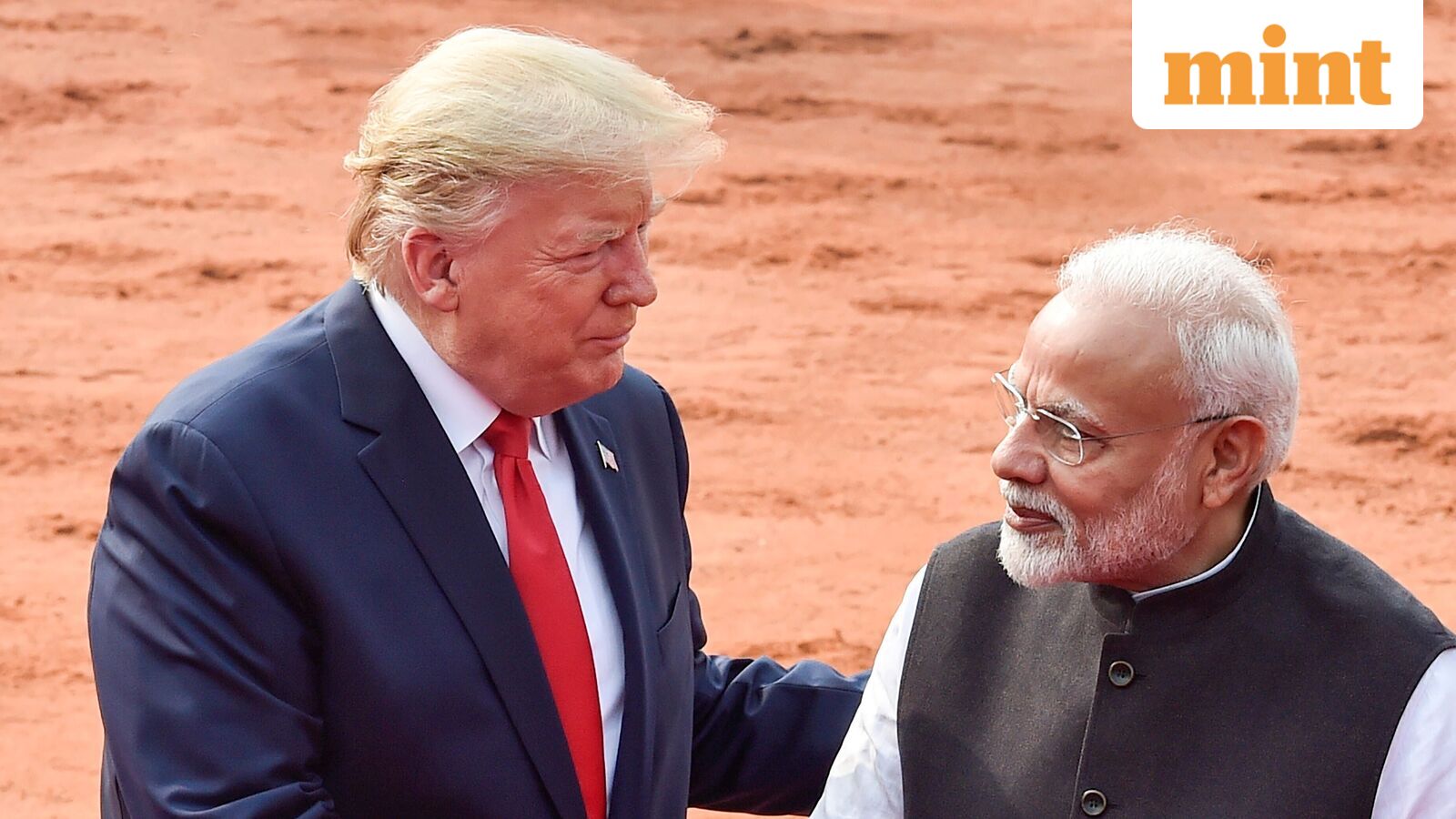
The explicit reaffirmation of this diversification strategy by India’s foreign policy establishment was notably a response to queries concerning its acquisition of Russian oil. The backdrop to this exchange included recent comments from U.S. President Donald Trump, who, following the lifting of a punitive 25% tariff on all imports from India, suggested New Delhi had committed to ceasing direct or indirect imports of Russian crude. India’s official stance, however, emphasizes that its energy policy is dictated by national interests, focusing on the "adequate availability, fair pricing, and reliability of supply" for its 1.4 billion citizens, rather than external dictates. This nuanced position highlights India’s tightrope walk between maintaining strategic partnerships and safeguarding its economic imperatives.
The surge in Russian oil imports by India following the imposition of Western sanctions on Moscow has been a defining feature of the global energy landscape since early 2022. Prior to the conflict, Russian crude constituted a marginal fraction – typically less than 2% – of India’s total oil imports. However, as Western buyers eschewed Russian barrels, Moscow offered significant discounts, making its Urals grade crude highly attractive to price-sensitive economies like India. By mid-2023, Russia had emerged as India’s single largest crude oil supplier, accounting for over 40% of its imports in some months, displacing traditional Middle Eastern powerhouses. This pivot allowed Indian refiners to secure crude at substantial discounts, estimated at $10-15 per barrel below Brent crude prices, translating into billions of dollars in savings for the national exchequer and providing a crucial buffer against global inflationary pressures.
The economic implications of these discounted imports cannot be overstated. For a nation grappling with persistent inflation and striving to maintain robust economic growth, cheaper energy inputs directly impact manufacturing costs, transportation expenses, and ultimately, consumer prices. These savings have played a vital role in managing India’s current account deficit and strengthening its fiscal position, particularly at a time when global interest rates remained elevated. Furthermore, the ability to procure oil at competitive rates enhances the competitiveness of India’s refining sector, which is a major exporter of refined petroleum products to various parts of the world.

From a geopolitical perspective, India’s engagement with Russian oil reflects a broader commitment to multi-alignment in its foreign policy. New Delhi has consistently championed strategic autonomy, refusing to be drawn into bloc-based politics and instead pursuing relationships that serve its developmental goals. The Kremlin, for its part, has expressed understanding for India’s stated intention to diversify, viewing it as a natural evolution of energy markets rather than a punitive shift. This indicates a tacit acceptance of India’s sovereign right to determine its energy mix based on market conditions, even as global powers exert pressure.
Beyond Russia, India’s diversification strategy extends across continents. The country has actively sought to expand its procurement from the Americas, particularly the United States and Canada, and from various African nations. Imports from the U.S., which were negligible a decade ago, have steadily increased, reflecting New Delhi’s efforts to deepen its strategic energy partnership with Washington and take advantage of the shale revolution. Similarly, West African crude grades offer diversity in quality and pricing, providing additional flexibility. This geographic spread is not merely about volumes; it’s about building resilience against supply chain disruptions, whether from geopolitical events, natural disasters, or technical issues in any single producing region.
The lifting of the 25% tariff on Indian imports by the U.S. can be viewed as a significant development within this complex web of energy diplomacy and trade relations. While the precise details of the agreement or understanding that led to this decision remain subject to interpretation, it signals a potential de-escalation of trade tensions between the two democracies. For India, the removal of such a tariff reduces the cost of its exports to a critical market, providing a fillip to various sectors of its economy. For the U.S., it might represent a strategic concession aimed at preserving broader bilateral cooperation, recognising India’s unique position as a major developing economy with legitimate energy security concerns.
Looking ahead, India’s energy diversification strategy is not solely focused on crude oil. The nation is also increasingly looking towards natural gas, both domestic and imported LNG, as a cleaner transition fuel. Long-term contracts with suppliers from the Middle East, Australia, and the U.S. are crucial for ensuring a stable supply of LNG for power generation, industrial use, and city gas distribution networks. Furthermore, India is making substantial investments in renewable energy, targeting 500 GW of non-fossil fuel electricity capacity by 2030. This ambitious push towards solar, wind, and hydropower not only addresses climate change commitments but also fundamentally alters India’s energy security calculus, reducing its reliance on imported fossil fuels over the long term.
However, the path to comprehensive energy security is fraught with challenges. The global energy transition itself presents a complex dilemma: while promoting renewables, the world remains heavily dependent on fossil fuels for the foreseeable future. Supply chain vulnerabilities for critical minerals required for renewable technologies, the intermittency of renewable sources, and the immense capital expenditure needed for infrastructure development all pose significant hurdles. Moreover, the geopolitical landscape remains volatile, with potential for renewed conflicts or trade disputes to disrupt energy flows.
In conclusion, India’s steadfast commitment to maintaining multiple sources of energy supply is a pragmatic response to its massive and growing energy demands, its high import dependence, and the turbulent global energy environment. It reflects a strategic imperative to protect its economic growth trajectory and insulate its consumers from price shocks. By balancing immediate economic benefits, such as discounted Russian oil, with long-term strategic objectives of diversification across geographies and energy types, New Delhi is actively managing its energy chessboard. This intricate balancing act, navigating both market forces and geopolitical pressures, will remain a defining feature of India’s foreign and economic policy as it strives to secure a prosperous and resilient future for its citizens.