

As February 2026 approaches, the Indian banking sector is poised to observe a series of scheduled holidays, reflecting a unique confluence of national financial regulations, regional cultural celebrations, and historical commemorations. The Reserve Bank of India (RBI), the nation’s central bank, has outlined a calendar that includes four specific closures in the coming week – on February 18th for Losar, February 19th for Chhatrapati Shivaji Maharaj Jayanti, February 20th for State Day, and February 22nd for the customary Sunday weekend. These specific regional observances contribute to a broader tally of nine non-working days for banks throughout February, encompassing the second and fourth Saturdays, alongside all Sundays, as per the RBI’s annual holiday schedule under the provisions of the Negotiable Instruments Act.
The regional nature of many of these holidays underscores India’s vast cultural diversity and its federal structure, where state-specific traditions are deeply embedded into the fabric of daily life, including economic operations. For instance, Losar, celebrated primarily by the Tibetan community, marks the New Year and is particularly significant in states like Sikkim, Arunachal Pradesh, and Ladakh. This festive period, characterized by elaborate masked dances and family gatherings, sees a temporary slowdown in local commercial activities as communities engage in cultural rituals. For businesses operating in these regions, the closure of bank branches necessitates proactive financial planning, particularly for cash management and immediate payment processing. Similarly, Chhatrapati Shivaji Maharaj Jayanti, commemorating the birth anniversary of the iconic Maratha warrior king, holds profound historical and cultural resonance, particularly across Maharashtra. This day often involves public processions and events, leading to a halt in standard banking services within the state. The economic impact here can be more substantial given Maharashtra’s significant contribution to India’s GDP, with major financial hubs like Mumbai experiencing a pause in physical banking transactions.
Further impacting regional banking operations is State Day, observed by Manipur, Mizoram, and Meghalaya. This date commemorates the day these northeastern states achieved full statehood on January 21, 1972, under the North-Eastern Region (Reorganisation) Act, 1971. While these states might represent a smaller fraction of the national economic output, the holidays are crucial for local commerce, government services, and the flow of funds for small and medium-sized enterprises (SMEs) that often rely more heavily on physical branch interactions. The cluster of these regional holidays, alongside the standard weekend closures, highlights the importance for individuals and businesses to consult their local bank branch’s specific holiday roster to avoid any unexpected disruptions to their financial transactions.
The economic ramifications of such a holiday schedule are multifaceted. At a macro level, industry analysts generally agree that scattered regional bank holidays have a negligible impact on national GDP, especially in a digitally advanced economy like India’s. However, localized effects can be more pronounced. For small businesses, particularly those in remote areas or those heavily reliant on cash transactions and physical deposits, even a single day’s closure can affect liquidity management and immediate operational needs. Larger corporations, with sophisticated treasury management systems and access to 24/7 digital banking platforms, tend to be less affected by physical branch closures. Nevertheless, transactions involving physical instruments like cheques, demand drafts, and promissory notes are directly impacted, as the Negotiable Instruments Act specifically governs their processing on designated bank holidays. This necessitates careful scheduling for businesses dealing with high-value paper-based transactions, particularly those with tight settlement deadlines.

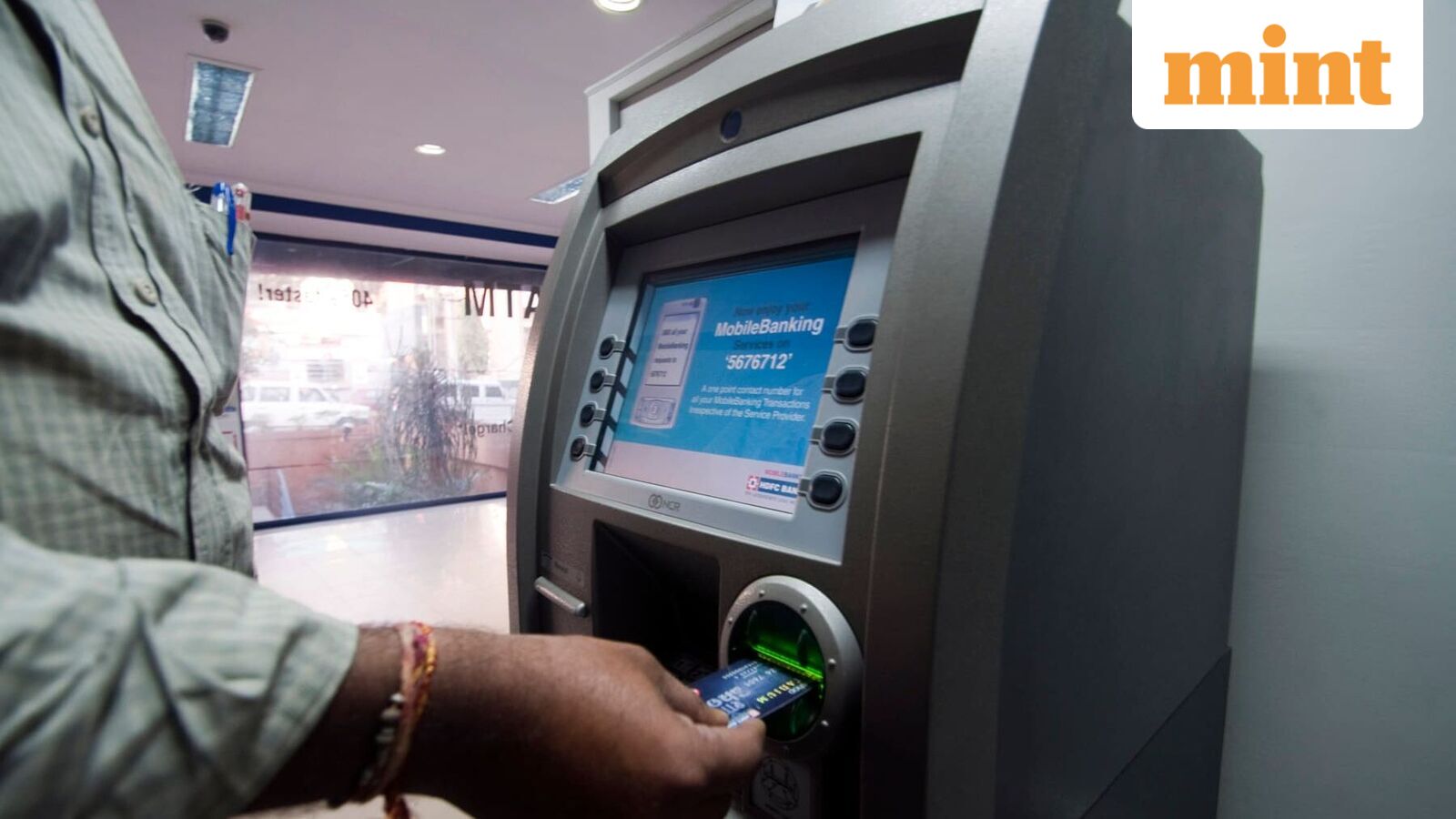
The rise of digital banking platforms has significantly mitigated the disruption traditionally associated with bank holidays. India has emerged as a global leader in digital payments, particularly with the widespread adoption of the Unified Payments Interface (UPI). The latest data indicates that UPI transactions consistently exceed billions per month, showcasing a robust digital payment ecosystem. During bank holidays, services such as mobile banking, internet banking, UPI, and automated teller machines (ATMs) remain fully operational, offering seamless access to cash withdrawals, fund transfers, and bill payments. Real-time Gross Settlement (RTGS) and National Electronic Funds Transfer (NEFT) systems also operate round-the-clock, ensuring that interbank transfers, even high-value ones, can be executed without delay, irrespective of physical branch closures. This digital resilience ensures that the core financial infrastructure continues to function, safeguarding against major economic bottlenecks.
However, a digital divide persists. While urban centers and technologically adept populations extensively utilize these digital avenues, segments of the rural populace and certain older demographics may still rely on traditional banking methods. For them, bank holidays can pose genuine challenges, especially in cases of urgent cash needs or complex transactions requiring branch assistance. The RBI, in its regulatory capacity, balances the need for a robust, uninterrupted financial system with the recognition of regional cultural practices. The central bank’s annual holiday calendar is a meticulously planned exercise aimed at providing predictability to financial institutions and the public, enabling them to plan their financial activities accordingly. This regulatory foresight helps minimize potential economic friction arising from public holidays.
From a global perspective, India’s approach to bank holidays, which includes a mix of national, state-specific, and religious observances, contrasts with some Western economies that tend to have a more streamlined calendar with fewer regional variations. This diversity can sometimes present a minor challenge for international businesses engaged in cross-border transactions with Indian entities, requiring them to be aware of local holiday schedules. However, the increasing digitalization of India’s financial system largely insulates global trade and investment flows from significant disruptions due to these localized closures. Most international transactions are now processed electronically, aligning with global banking hours rather than specific Indian regional holidays.
In conclusion, the upcoming bank holidays in February 2026, while offering a pause for celebration and reflection in specific regions, also serve as a reminder of the dynamic interplay between cultural traditions, economic functionality, and technological advancement in India’s financial landscape. The Reserve Bank of India’s comprehensive calendar, coupled with the nation’s robust digital payment infrastructure, ensures that while physical bank branches may close, the essential wheels of commerce and personal finance continue to turn. For businesses and individuals alike, proactive financial planning and the embrace of digital banking solutions remain paramount to navigate these scheduled closures effectively, reinforcing India’s journey towards a more resilient and digitally empowered economy.