


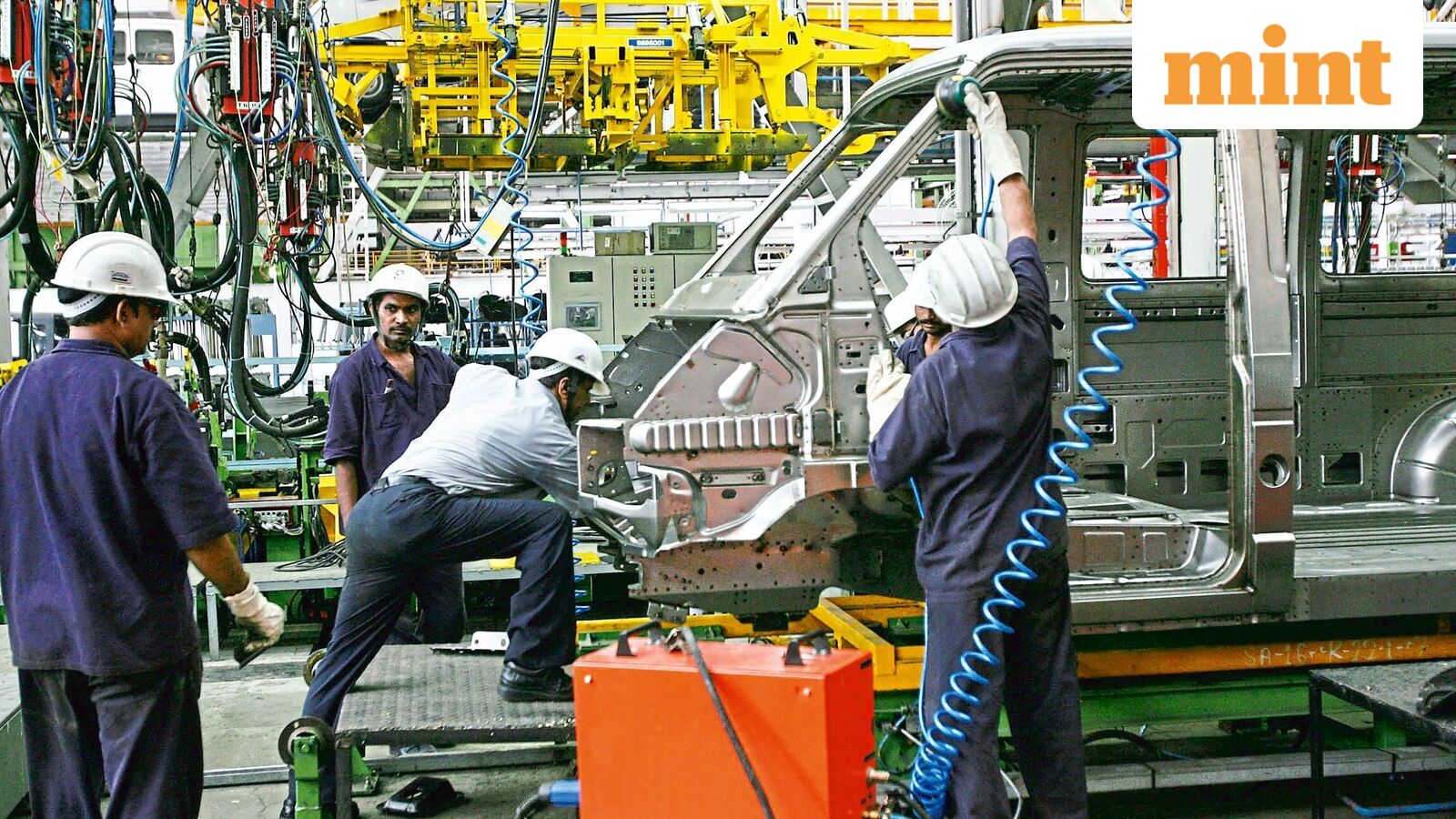
The Indian automotive sector, a vital engine of the nation’s economy and the world’s third-largest vehicle market, finds itself at a critical juncture. A brief but robust recovery, fueled by strategic Goods and Services Tax (GST) reductions and a buoyant festive season, is now shadowed by an unprecedented surge in raw material prices. Major automakers, from passenger vehicle giants like Maruti Suzuki India Ltd and Hyundai Motor India Ltd to commercial vehicle leader Tata Motors Ltd and two-wheeler behemoths TVS Motor Co. and Bajaj Auto Ltd, are grappling with rapidly eroding margins, prompting difficult decisions on potential price increases that could stifle nascent demand.
The recent upswing in the automotive market offered a much-needed reprieve after prolonged periods of muted sales. Government interventions, particularly the targeted GST cuts implemented in the third quarter, aimed to inject liquidity and stimulate consumer spending. This policy boost, combined with strong demand during the festive period spanning October to December, propelled vehicle sales to record highs. Data from the Society of Indian Automobile Manufacturers (SIAM) revealed passenger vehicle sales surging by an impressive 21% to 1.27 million units, while two-wheeler dispatches climbed 17% to 5.69 million units, and commercial vehicle sales saw a 22% increase to 290,085 units. This resurgence signaled a strong rebound for a sector that contributes significantly to India’s manufacturing output and employment.
However, this optimism has been swiftly tempered by a global phenomenon: a sharp escalation in the cost of essential commodities. Manufacturers across the board have highlighted the relentless upward trajectory of key inputs such as steel, aluminium, copper, zinc, and precious metals like platinum, palladium, and rhodium. Since the beginning of October, market intelligence indicates that aluminium and copper prices have jumped between 15% and 25%, while platinum has soared by over 40%. These materials are integral to vehicle production, forming everything from chassis and body panels to intricate engine components, electrical systems, and catalytic converters. The impact is pervasive, affecting every segment of the automotive industry, including emerging electric vehicle players like Ather Energy Ltd, whose co-founder and CEO, Tarun Mehta, described the situation as "truly unprecedented," with "a lot of commodities going haywire."

Beyond the direct impact of rising commodity prices, Indian automakers face an additional burden from currency fluctuations. Major global currencies, including the US dollar, euro, and Chinese renminbi, have appreciated by 4-5% against the Indian rupee since October. This depreciation significantly inflates the cost of imported components and raw materials for original equipment manufacturers (OEMs), creating a challenging "double whammy." As Anurag Singh, an advisor at consulting firm Primus Partners, notes, while OEMs might be enjoying higher sales volumes, intense competitive pressures within the domestic market limit their capacity and willingness to absorb these escalating costs.
The pressure on profitability is palpable. Maruti Suzuki, India’s largest carmaker, reported a 60-basis-point hit to its margins in the October-December quarter directly attributable to higher commodity costs. This margin compression forces companies to make difficult strategic choices. On one hand, absorbing costs protects market share and sustains the demand recovery. On the other, it severely impacts financial health, limiting investment in critical areas like research and development, capacity expansion, and future product innovation, especially in a rapidly evolving market like India.
Consequently, a wave of price hikes is either already underway or being actively considered across the industry. Hyundai Motor India, for instance, confirmed passing on some costs through a January price increase, primarily affecting models like the Venue compact SUV. TVS Motor’s Director and CEO, KN Radhakrishnan, acknowledged the widespread increases in metal prices and indicated that the company had implemented marginal price adjustments of around 0.2-0.3%. Similarly, Bajaj Auto’s Chief Financial Officer, Dinesh Thapar, stated that the company chose to defer pricing actions to the current January-March quarter, having absorbed inflationary pressures during the festive season to capitalize on volume growth. Maruti Suzuki has also announced it is reviewing price increases, underscoring the universal nature of this challenge.
A particular point of contention revolves around steel prices. Domestic steel players, according to Maruti Suzuki’s Senior Executive Officer-Corporate Affairs, Rahul Bharti, appear to be leveraging safeguard duties on imports to raise prices. Despite clear government directives against profiteering, steel prices reportedly climbed 8% in January compared to October, following a period of flatness. This situation prompts concerns about fair market practices and the potential for upstream industries to exacerbate the cost burden on downstream sectors like automotive manufacturing. Tata Motors’ Managing Director and CEO, Girish Wagh, while acknowledging steel price increases, noted that the impact from non-ferrous metals like copper and platinum group metals has been more significant.

The broader economic implications of these challenges are substantial. For consumers, vehicle price increases could negate the affordability gains made from GST cuts, potentially dampening purchasing sentiment in a price-sensitive market. This, in turn, could stall the recovery momentum, impacting sales forecasts for the coming quarters. For the Indian economy, a slowdown in the automotive sector has ripple effects across a vast ecosystem of ancillary industries, from component manufacturers and raw material suppliers to logistics and dealerships. This could lead to reduced manufacturing output, potential job losses, and a drag on overall industrial growth, posing a risk to the nation’s post-pandemic economic recovery trajectory and contributing to inflationary pressures.
Looking ahead, the outlook remains uncertain. Industry leaders are preparing for a prolonged period of commodity volatility, with some suggesting that current "hype situations" in commodity markets could persist for several quarters. This necessitates robust cost optimization programs, agile supply chain management, and a careful balancing act between price adjustments and market competitiveness. There may also be increased calls for government intervention, not just to monitor steel prices, but potentially to explore other policy levers that could support the manufacturing sector through this challenging period. The automotive industry’s resilience will be tested as it navigates these turbulent waters, striving to maintain its growth trajectory while managing the formidable pressures of an unpredictable global commodity landscape.