

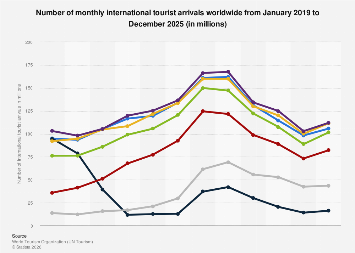
The global tourism industry is poised for a significant resurgence in 2025, with projections indicating a substantial increase in inbound tourist arrivals. This anticipated growth, driven by pent-up demand, easing travel restrictions, and a renewed appetite for international exploration, signals a critical juncture for destinations worldwide. While specific country-level data remains dynamic and subject to evolving geopolitical and economic landscapes, broad industry forecasts suggest a robust recovery, nearing or even surpassing pre-pandemic levels in many key markets. This recovery is not merely a return to a past normal but represents an opportunity for the sector to innovate and adapt to new traveler preferences and sustainability imperatives.
The sheer volume of anticipated international visitors underscores the profound economic impact of tourism. Beyond direct revenue generated from accommodation, transportation, and activities, inbound tourism fuels job creation across a wide spectrum of industries, from hospitality and retail to agriculture and artisanal crafts. It also serves as a vital source of foreign exchange, contributing to the balance of payments and supporting national economic development. For many economies, particularly Small Island Developing States (SIDS) and developing nations, tourism is not just a sector but a primary engine of growth, poverty alleviation, and infrastructure development. The projected increase in arrivals for 2025 therefore carries immense economic weight, promising renewed prosperity and opportunities for communities reliant on international visitors.
Several factors are contributing to this optimistic outlook. Firstly, the widespread vaccination efforts and the evolving management of the COVID-19 pandemic have significantly reduced travel anxieties. Governments are increasingly adopting more streamlined and predictable entry requirements, fostering greater confidence among potential travelers. Secondly, there is a discernible pent-up demand for travel. Years of restrictions and hesitations have created a backlog of individuals eager to experience new cultures, landscapes, and personal connections. This desire for experiential travel, often involving longer stays and deeper immersion, is a key trend shaping the recovery. Thirdly, advancements in digital technologies are enhancing the travel experience, from seamless booking platforms and contactless check-ins to augmented reality guides and personalized recommendations. These innovations are making travel more accessible, convenient, and engaging, further stimulating demand.
However, the path to full recovery is not without its challenges. Economic headwinds, including persistent inflation and potential recessions in major source markets, could temper discretionary spending on travel. Geopolitical instability in certain regions can also deter travelers and disrupt established travel routes. Furthermore, the industry must grapple with the ongoing need to address its environmental footprint. Sustainable tourism practices, responsible resource management, and a commitment to preserving natural and cultural heritage are no longer optional but essential for long-term viability and maintaining traveler appeal. Destinations that prioritize these aspects are likely to gain a competitive advantage.
Examining market data from leading tourism analytics firms provides further granularity. While precise figures for 2025 are still subject to refinement, preliminary analyses point to significant growth trajectories. For instance, projections for key Asian destinations, which experienced some of the strictest travel restrictions, indicate a sharp rebound as borders reopen and confidence returns. Europe, a perennial favorite for international tourists, is expected to see continued strong performance, bolstered by its diverse offerings and well-established tourism infrastructure. North America, particularly the United States and Canada, is also anticipated to benefit from increased inbound traffic. Emerging markets, while often more susceptible to economic fluctuations, offer substantial growth potential as their middle classes expand and their tourism offerings mature.
The economic multiplier effect of inbound tourism is substantial. Studies consistently show that for every dollar spent by an international tourist, a significant portion is recirculated within the host economy. This includes not only direct spending on hotels and restaurants but also indirect spending on supplies and services for these establishments, and induced spending by employees in the tourism sector. For example, a substantial influx of tourists can stimulate investment in local infrastructure, such as airports, roads, and public transportation, benefiting both visitors and residents. It can also foster entrepreneurship, with an increase in demand for local guides, artisans, and small businesses offering unique cultural experiences.
Global comparisons offer valuable insights into regional recovery patterns. Destinations that have successfully diversified their tourism offerings beyond traditional mass tourism are likely to fare better. This includes a growing emphasis on ecotourism, cultural heritage tourism, wellness retreats, and adventure travel. Countries that have invested in digital transformation and data analytics are also better positioned to understand and cater to evolving traveler preferences, allowing for more targeted marketing and product development. The effectiveness of national tourism boards and their strategic partnerships with private sector stakeholders will be crucial in navigating the competitive global landscape.
The implications for businesses within the tourism ecosystem are profound. Airlines are already reporting increased bookings and are expanding their fleets and routes to accommodate projected demand. Hotels are focusing on enhancing guest experiences, offering personalized services, and implementing sustainable operational practices. Tour operators and travel agencies are recalibrating their offerings, developing new packages that cater to niche interests and promote responsible travel. Technology providers are crucial in facilitating this transformation, offering solutions for online distribution, customer relationship management, and on-site experience enhancement.
Looking ahead, the sustainability of tourism growth will be a paramount concern. The industry faces increasing scrutiny regarding its environmental impact, from carbon emissions generated by air travel to the strain on local resources and ecosystems. Destinations that embrace circular economy principles, invest in renewable energy, and promote low-impact transportation options will be better positioned for long-term success. Furthermore, the social impact of tourism, including ensuring fair wages, respecting local cultures, and preventing over-tourism, will be critical for maintaining community support and the authenticity of the visitor experience. The projected increase in inbound arrivals for 2025 presents a vital opportunity for the global tourism sector to solidify its commitment to a more responsible and resilient future, balancing economic imperatives with environmental and social stewardship.