


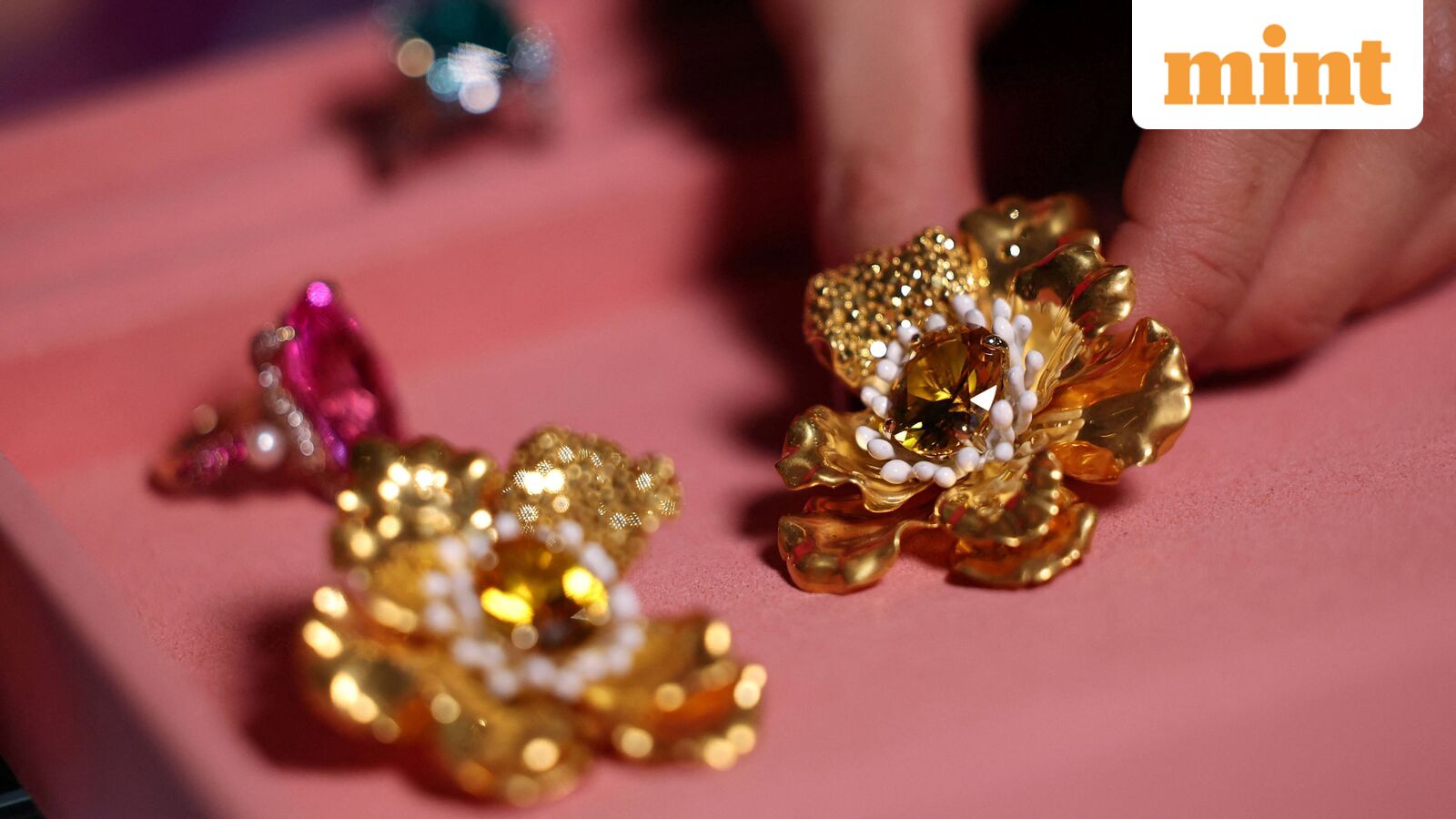
The recent announcement of a significant trade agreement between India and the United States has sent a palpable wave of optimism through the Indian gems and jewellery industry, signaling a potential reversal of fortunes after a challenging period. This bilateral accord, detailed initially by former US President Donald Trump, promises a sharp reduction in tariffs on Indian exports to the US, a move that could reinvigorate one of India’s most vital export sectors and strengthen economic ties between the two nations. The initial details suggest a tariff cut from a prohibitive 50% – imposed in 2025 following India’s strategic purchases of Russian oil amidst global sanctions – to a more manageable 18%. While the full administrative order is still keenly awaited, the mere prospect has already prompted a positive reaction in the financial markets, with leading jewellery stocks like Kalyan Jewellers and Titan experiencing notable rallies.
A Geopolitical Pivot and Economic Reset
The imposition of a steep 50% tariff in 2025 had its roots in a complex geopolitical landscape, primarily stemming from the US response to India’s energy security decisions in the wake of global sanctions against Russia. This punitive measure significantly impacted Indian exports, particularly in labour-intensive sectors. The current pivot, driven by a desire to strengthen strategic partnerships and diversify global supply chains, represents a crucial economic reset. India, a critical player in the Indo-Pacific strategy, is increasingly seen by the US as a vital economic and strategic partner. This trade deal, therefore, is not merely about tariffs but reflects a broader geopolitical realignment where economic incentives are being leveraged to deepen alliances and counter-balance other global influences. The reduction to 18% is a substantial relief, though industry stakeholders, such as the Gems and Jewellery Export Promotion Council (GJEPC), are actively advocating for an even more favourable zero-duty regime on certain categories like polished diamonds, which they believe would unleash an unprecedented "bonanza" for the sector.
India’s Jewellery Powerhouse Under Duress
India holds an unparalleled position in the global gems and jewellery market, particularly in the cutting and polishing of diamonds, accounting for an estimated 90% of the world’s polished diamond supply by value. Beyond diamonds, India is a significant player in coloured gemstones, gold jewellery, and studded jewellery. This sector is not just an export engine; it is a massive employer, directly and indirectly sustaining over 5 million livelihoods across its vast value chain, from artisanal workshops to modern manufacturing facilities in hubs like Surat (diamonds), Jaipur (coloured gemstones), and Mumbai (trading and gold jewellery). Historically, gems and jewellery have consistently ranked among India’s top five export categories to the US, underscoring the deep interdependence between the two economies in this segment.

The impact of the 2025 tariffs was immediate and severe. Data from India’s commerce and industry ministry reveals a precipitous decline in exports to the US: diamond exports plummeted by over 58% year-on-year between April and November 2025, settling at a mere $1.36 billion. Concurrently, overall jewellery exports contracted by nearly 44% to $3.55 billion during the same period. This drastic reduction, from annual figures that often exceeded $5-6 billion for the combined sector, had profound socio-economic consequences. The GJEPC reported that approximately one million individuals directly engaged in the diamond sector faced severe hardship, witnessing a significant erosion of wages and heightened job insecurity. Many small and medium enterprises (SMEs) in Surat, the heart of India’s diamond polishing industry, struggled to sustain operations, leading to widespread distress among skilled workers and their families.
The Dual Edge of Lab-Grown Diamonds
Adding another layer of complexity to the industry’s woes was the meteoric rise of lab-grown diamonds (LGDs). Propelled by technological advancements, lower production costs, growing consumer demand for ethical sourcing, and competitive pricing, LGDs have captured an increasing share of the global market. For the Indian industry, LGDs presented a double-edged sword. While they offered a new avenue for production and export, helping to offset some job losses in the broader sector by creating new manufacturing roles, their proliferation also exerted significant downward pressure on the prices of natural diamonds. This, in turn, further exacerbated wage stagnation and reductions for artisans traditionally reliant on the natural diamond segment. India has strategically positioned itself to become a major hub for LGD manufacturing, but the transition has not been without its challenges for the existing workforce.
Strategic Imperatives: The Quest for Zero Duty
The GJEPC’s persistent advocacy for a return to zero tariffs on polished diamonds is rooted in a deep understanding of global supply chains and competitive dynamics. India’s polished diamonds often serve as inputs for jewellery manufactured in other countries, particularly in Europe (Belgium, for instance), before being re-exported to consumer markets like the US. A zero-duty regime would eliminate an additional layer of cost, making Indian diamonds more competitive globally and streamlining this intricate supply chain. This would not only boost direct exports but also indirectly support allied industries and strengthen India’s position as the world’s preferred sourcing destination for polished diamonds. Comparatively, other major diamond trading hubs often benefit from more favourable trade agreements, making the zero-duty aspiration critical for India to maintain and expand its global market share.
Analyst Perspectives and Broader Economic Impact

While the official details are pending, leading financial institutions have begun to assess the potential impact. Bank of America’s brokerage arm, for instance, estimates that the effective tariff rate on Indian exports could ultimately settle around 12-13%, a significant improvement from the previous 30-35% estimations under the higher tariff regime. Such a reduction is anticipated to provide substantial relief across a spectrum of India’s labour-intensive export sectors, including textiles, agricultural products, and engineering goods, in addition to gems and jewellery. This aligns perfectly with India’s broader economic agenda of promoting export-led growth, creating employment, and enhancing its manufacturing capabilities under initiatives like "Make in India." The cumulative effect of reduced tariffs across these sectors could significantly boost India’s merchandise exports, improve its balance of trade, and strengthen foreign exchange reserves.
Re-establishing Global Supply Chains and Complementary Deals
The 2025 tariffs severely disrupted the established global diamond supply chain, which traditionally saw rough diamonds imported into India, polished in Surat, then often routed through hubs like Belgium for further processing or trading, before reaching final consumer markets in the US. The punitive 50% levy fractured this intricate network, forcing companies to seek costlier or less efficient alternatives. The new tariff reduction offers a pathway to repair this critical supply chain.
Moreover, this US deal comes on the heels of another significant development: the India-EU Free Trade Agreement, signed on January 27. As Anil Talreja, a partner at Deloitte India, observes, the EU deal is a massive boon for Belgium, a pivotal hub in the diamond industry, effectively addressing the "supplier side" of the global value chain. The US trade deal, by reducing tariffs on direct exports, is expected to invigorate the "demand side." The synergy between these two major trade agreements could create a robust and resilient ecosystem for Indian gems and jewellery, facilitating smoother trade flows and enhanced market access across two of the world’s largest consumer bases. The positive sentiment generated by these agreements is expected to translate into tangible demand growth, offering a much-needed impetus to the industry.
Challenges and the Path Ahead
Despite the overwhelming optimism, the industry acknowledges that significant details of the US trade deal are yet to be revealed. The specific articles and product categories that will benefit from the reduced tariffs, as well as any potential non-tariff barriers or regulatory adjustments, remain critical areas of clarification. Furthermore, while the tariff reduction is a vital step, the Indian gems and jewellery sector must also continue to innovate, focusing on design excellence, quality control, ethical sourcing, and sustainability practices (ESG factors) to maintain its competitive edge against other manufacturing hubs. The long-term trajectory will depend not just on favourable policy but also on the industry’s agility in adapting to evolving consumer preferences and global market dynamics. The path to fully restoring and expanding India’s multi-billion dollar gems and jewellery sector is a journey that requires continued government support, strategic industry investments, and a sustained focus on international collaboration.