


The highly anticipated ICC T20 World Cup, a global spectacle for cricket enthusiasts, is once again overshadowed by the intricate interplay of geopolitics and sport, turning what should be a celebration of athletic prowess into a contentious arena. At the heart of the current debate is a recent advertising campaign launched by Star Sports, the official broadcaster for the tournament in the Indian subcontinent, which aimed to capitalize on the fervent India-Pakistan rivalry. However, in an increasingly polarized climate, the campaign’s approach has been widely criticized for its insensitivity, prompting a re-evaluation of how media houses navigate nationalistic sentiments in commercially driven sports broadcasting.
For decades, the cricketing contests between India and Pakistan have transcended mere sport, evolving into cultural phenomena and colossal commercial engines. Iconic ad campaigns, such as Star Sports’ long-running "Mauka Mauka" series, historically tapped into this rivalry with a blend of humor and competitive spirit, effectively transforming individual matches into events of national significance and driving unprecedented viewership. These campaigns were emblematic of the understanding that India-Pakistan clashes are not just high-stakes games but also immense money-spinners, commanding premium advertising rates and captivating hundreds of millions of viewers across the globe. However, the latest iteration, themed around "repeating history" in reference to India’s dominant T20 World Cup record against its neighbour, appears to have misjudged the prevailing mood, prompting accusations of a "cash grab gone wrong."
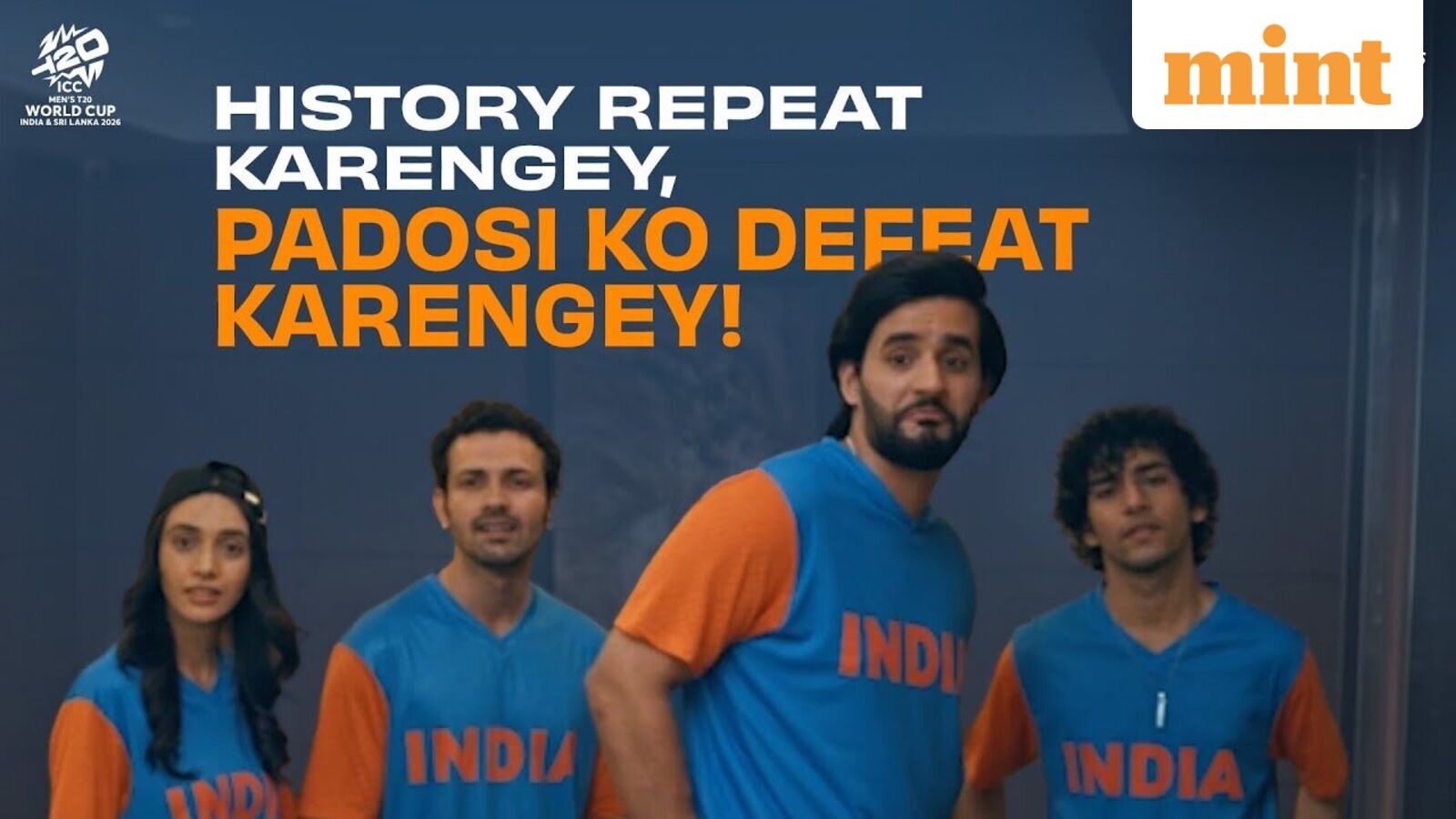
The controversial ad features a solitary Pakistan fan, clad in his team’s jersey, being openly mocked by a quartet of jubilant Team India supporters. The Indian fans, in Hindi, promise to "repeat history and defeat the neighbour," framing the encounter as the "greatest rivalry." While ostensibly designed to fuel excitement and patriotism, the timing and tone of this campaign have inadvertently amplified existing murmurs about India’s perceived "bullying" behavior in regional cricket. This perception stems from a confluence of factors, including the vast economic disparity between the cricketing boards, India’s dominant position within the ICC, and a history of political disagreements spilling onto the sporting field. In an era where even seemingly innocuous gestures can be scrutinized through a geopolitical lens, such an overt display of triumphalism risks alienating a significant portion of the global cricketing audience and exacerbating diplomatic frictions.

The current environment is far more volatile than during the heyday of earlier, more lighthearted rivalry ads. Over the past few years, political tensions between India and Pakistan, and increasingly involving Bangladesh, have permeated cricketing relations, making any broadcast strategy inherently risky. The Asia Cup in Dubai last year served as a stark precursor, witnessing logistical and scheduling "shenanigans" that clearly prioritized political sensitivities over purely sporting considerations. This fraught atmosphere has only intensified in the lead-up to the current T20 World Cup. Bangladesh, citing undisclosed "security concerns" in India, has formally withdrawn from the tournament, sending shockwaves through the cricketing world and raising questions about host nation security guarantees and regional stability.
Further compounding the crisis, the Pakistan Cricket Board (PCB) has reportedly refused to play India in their scheduled group stage match on February 15th in Colombo, Sri Lanka. This stance, reportedly driven by concerns over security and bilateral relations, places the International Cricket Council (ICC) in a precarious position. The ICC has already issued warnings to Pakistan, indicating that boycotting matches could lead to severe penalties and sanctions against the national team, including fines, points deductions, or even suspension from future tournaments. Such actions, while upholding the integrity of the competition, would inevitably inflict significant financial damage on the PCB and deepen the existing chasm between the two cricketing powerhouses.
The economic implications of this politicization are profound. India-Pakistan matches are global revenue generators, consistently drawing record viewership numbers. For instance, the 2022 T20 World Cup encounter between the two nations shattered digital viewership records, with over 18 million concurrent viewers on Disney+ Hotstar alone, translating into hundreds of millions in advertising revenue. Broadcasters like Star Sports invest billions in acquiring exclusive rights to ICC events and bilateral series involving India, banking heavily on these marquee matchups to justify their expenditure. A cancelled match, or one diminished by political controversies, directly translates into lost advertising revenue, decreased subscriber engagement, and potentially diminished sponsorship interest. Brands, increasingly wary of being associated with political flashpoints, might reconsider their investments if the discourse around the sport becomes overly acrimonious.
Sports economists and marketing strategists emphasize the delicate balance broadcasters must maintain in hyper-nationalistic markets. "The line between celebrating rivalry and fostering animosity is incredibly fine," notes Dr. Anya Sharma, a Mumbai-based media analyst. "Successful campaigns leverage the excitement of competition without veering into jingoism, especially when geopolitical sensitivities are high. This particular ad, by focusing on a ‘repeating history’ of dominance, rather than the spirit of competition, risks being perceived as tone-deaf and even provocative in the current climate." She adds that while short-term attention might be gained, the long-term impact on brand reputation and viewer trust can be detrimental.

Comparing this situation to other global sports rivalries, such as El Clásico in Spanish football or the historic geopolitical undertones in Olympic contests, highlights the unique intensity of the India-Pakistan dynamic. While other rivalries often have political dimensions, they rarely lead to outright withdrawals or boycotts from major international tournaments. This underscores the severity of the regional political climate and the vulnerability of sports as a unifying force. The ICC, as the global governing body, faces an escalating challenge in upholding its mandate of promoting cricket and ensuring fair play when member nations are at loggerheads outside the boundaries of the sport. Its inability to enforce universal participation or mediate political disputes effectively risks undermining the credibility and commercial viability of its premier tournaments.
Beyond the immediate financial losses, the broader impact extends to fan morale and the very essence of the sport. Cricket, particularly in the subcontinent, holds an almost religious significance, offering a shared passion that often transcends societal divisions. When political disagreements disrupt these cherished contests, it not only disappoints millions of ardent fans but also erodes the potential for sport to act as a soft power tool for diplomacy and cultural exchange. The "cash grab" critique leveled against Star Sports’ ad suggests a prioritization of commercial exploitation over fostering a healthy, albeit intense, sporting rivalry. In a region where national pride is deeply intertwined with cricketing success, media narratives carry immense weight, and a misstep can quickly ignite public backlash and diplomatic tensions.
Looking ahead, the ongoing controversies serve as a critical case study for international sports bodies and broadcasters. The lessons are clear: marketing strategies in geopolitically sensitive regions demand unprecedented levels of nuance, cultural awareness, and a profound understanding of the prevailing political climate. Relying on past successful formulas without adapting to evolving realities can lead to significant brand damage and public relations crises. The future of India-Pakistan cricket, and indeed regional tournaments, hinges not only on diplomatic breakthroughs but also on a collective commitment from all stakeholders—governing bodies, national boards, and media partners—to prioritize the spirit of sport and foster an environment where competition can thrive without being suffocated by political animosity. The T20 World Cup, designed as a showcase of cricketing excellence, now stands as a stark reminder of the fragile intersection where sport meets statecraft, and where a misjudged advertising campaign can echo far beyond the stadium.