

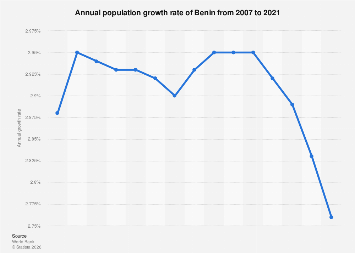
Benin, a West African nation characterized by its rich cultural heritage and strategic location, has experienced a significant demographic transformation between 2007 and 2021. This period witnessed a robust and sustained increase in its population, a trend that carries profound implications for the country’s economic development, resource management, and social infrastructure. Analyzing these population shifts offers a crucial lens through which to understand Benin’s present challenges and future opportunities.
The data reveals a consistent upward trajectory in Benin’s population during the specified timeframe. While precise figures can fluctuate based on different data collection methodologies and sources, the overarching narrative is one of substantial growth. This expansion is not merely a statistical anomaly; it represents a dynamic demographic reality shaped by a combination of factors prevalent in many developing economies. High birth rates, a cornerstone of population growth in Sub-Saharan Africa, have historically contributed to a youthful demographic profile in Benin. Coupled with gradual improvements in healthcare and a decrease in mortality rates, particularly infant and child mortality, these factors create a fertile ground for sustained population increases.
To contextualize Benin’s growth, it is essential to compare it with regional and global trends. The average annual population growth rate in Sub-Saharan Africa has consistently been among the highest in the world. Benin’s experience aligns with this broader regional pattern, often exceeding the global average. For instance, between 2010 and 2020, the average annual population growth rate for Sub-Saharan Africa was estimated to be around 2.6%, significantly higher than the global average of approximately 1.1%. While Benin’s specific rate might have varied within this period, its growth reflects the demographic pressures and opportunities common to its neighbors. This sustained growth poses a dual challenge: it presents a large and growing labor force, a potential engine for economic expansion, but also necessitates significant investments in education, healthcare, and job creation to harness this demographic dividend effectively.
The economic ramifications of Benin’s population surge are multifaceted. A growing population implies an expanding consumer base, which can stimulate domestic demand for goods and services. This increased consumption can, in turn, encourage domestic production and investment, fostering economic activity. Furthermore, a larger workforce can contribute to higher output, provided that individuals are adequately skilled and employed. Benin’s economy, heavily reliant on agriculture and services, can potentially benefit from this demographic dividend. However, the flip side of this equation is the imperative to generate sufficient employment opportunities for the burgeoning youth population. Failure to do so can lead to underemployment, unemployment, and potentially social instability.
Statistics from organizations like the World Bank often highlight the age structure of countries experiencing rapid population growth. Benin, like many nations in its region, typically exhibits a pyramid-shaped age distribution, with a large proportion of its population being young. This youthful demographic can be a powerful asset, offering a long-term demographic dividend if the right investments are made in human capital. Investments in education are paramount. A well-educated populace is more likely to be productive, innovative, and adaptable to the evolving demands of the global economy. Similarly, robust healthcare systems are crucial not only for reducing mortality rates further but also for ensuring that the population remains healthy and capable of contributing economically.
The pressure on public services and infrastructure is another significant consequence of rapid population growth. Schools, hospitals, and sanitation facilities must expand to accommodate a larger citizenry. Urban areas, in particular, often experience intensified strain as rural populations migrate in search of better economic prospects. This can lead to overcrowding, increased demand for housing, and challenges in providing essential services like clean water and electricity. Benin’s major cities, such as Cotonou and Porto-Novo, are likely to have felt the impact of this demographic pressure, requiring strategic urban planning and significant public investment.
Analyzing the specific growth rates within the 2007-2021 period would reveal the nuances of Benin’s demographic trajectory. For instance, understanding whether the growth rate has been accelerating, decelerating, or remaining stable provides insights into the effectiveness of current demographic policies and socio-economic conditions. Factors such as fertility rates, life expectancy, and migration patterns all play a crucial role. Improvements in maternal and child health services, access to family planning, and increased female education are often correlated with declining fertility rates over the long term. Conversely, factors like widespread disease outbreaks or significant economic downturns can impact mortality and migration, influencing population figures.
The agricultural sector, a bedrock of Benin’s economy, faces both opportunities and challenges from population growth. A larger population demands more food, creating potential for increased agricultural output and income for farmers. However, it also places greater pressure on land resources, potentially leading to land degradation and the need for more sustainable farming practices. Modernization of agriculture, including the adoption of improved technologies and crop varieties, becomes increasingly vital to meet growing food demands and ensure food security.
Economically, Benin’s ability to translate its demographic growth into sustainable development hinges on several key policy areas. Diversifying the economy beyond its traditional reliance on agriculture is crucial. Developing sectors like manufacturing, information technology, and tourism can create a broader range of employment opportunities for its growing workforce. Furthermore, fostering an environment conducive to entrepreneurship and small and medium-sized enterprises (SMEs) is essential, as these entities are often significant job creators.
International comparisons also offer valuable perspectives. Countries that have successfully managed demographic transitions have often done so by implementing policies that promote education, healthcare, and economic diversification. The experiences of countries in East Asia, which leveraged their demographic dividends through export-oriented manufacturing and human capital development, offer potential lessons. However, it is critical to recognize that each country’s context is unique, and Benin must tailor its strategies to its specific socio-economic and cultural landscape.
The period between 2007 and 2021 in Benin represents a critical phase of demographic expansion. The sustained population growth underscores the need for proactive and strategic planning across various sectors. From investing in human capital through education and healthcare to fostering economic diversification and ensuring sustainable resource management, Benin has a significant undertaking ahead. The demographic momentum is a powerful force, and its direction – whether towards a prosperous demographic dividend or persistent developmental challenges – will be shaped by the policy choices and investments made today. Understanding these population dynamics is not just an academic exercise; it is fundamental to charting a course for Benin’s future economic and social progress.