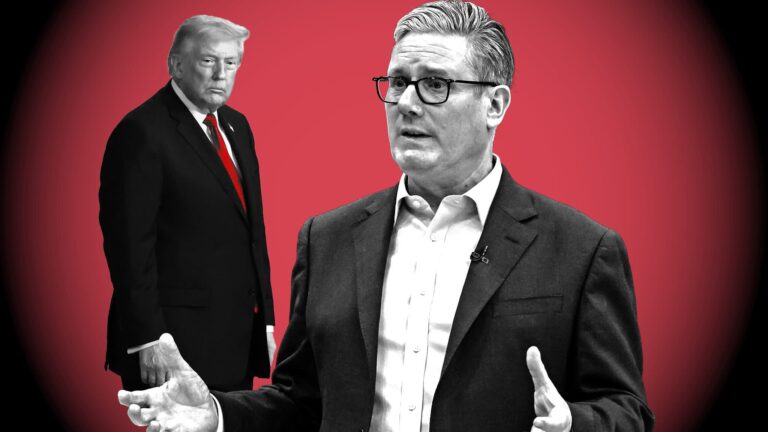


The landscape of American consumer finance faced a significant tremor this week as equity markets reacted sharply to a new populist economic proposal from the campaign trail. Shares in major United States credit card issuers and diversified financial institutions experienced a synchronized sell-off following a pledge by former President Donald Trump to implement a federal cap on credit card interest rates, set at 10%. The proposal, unveiled during a rally in New York, targets one of the most profitable sectors of the banking industry, sending ripples through Wall Street as investors began to price in the potential for a radical restructuring of the consumer credit market.
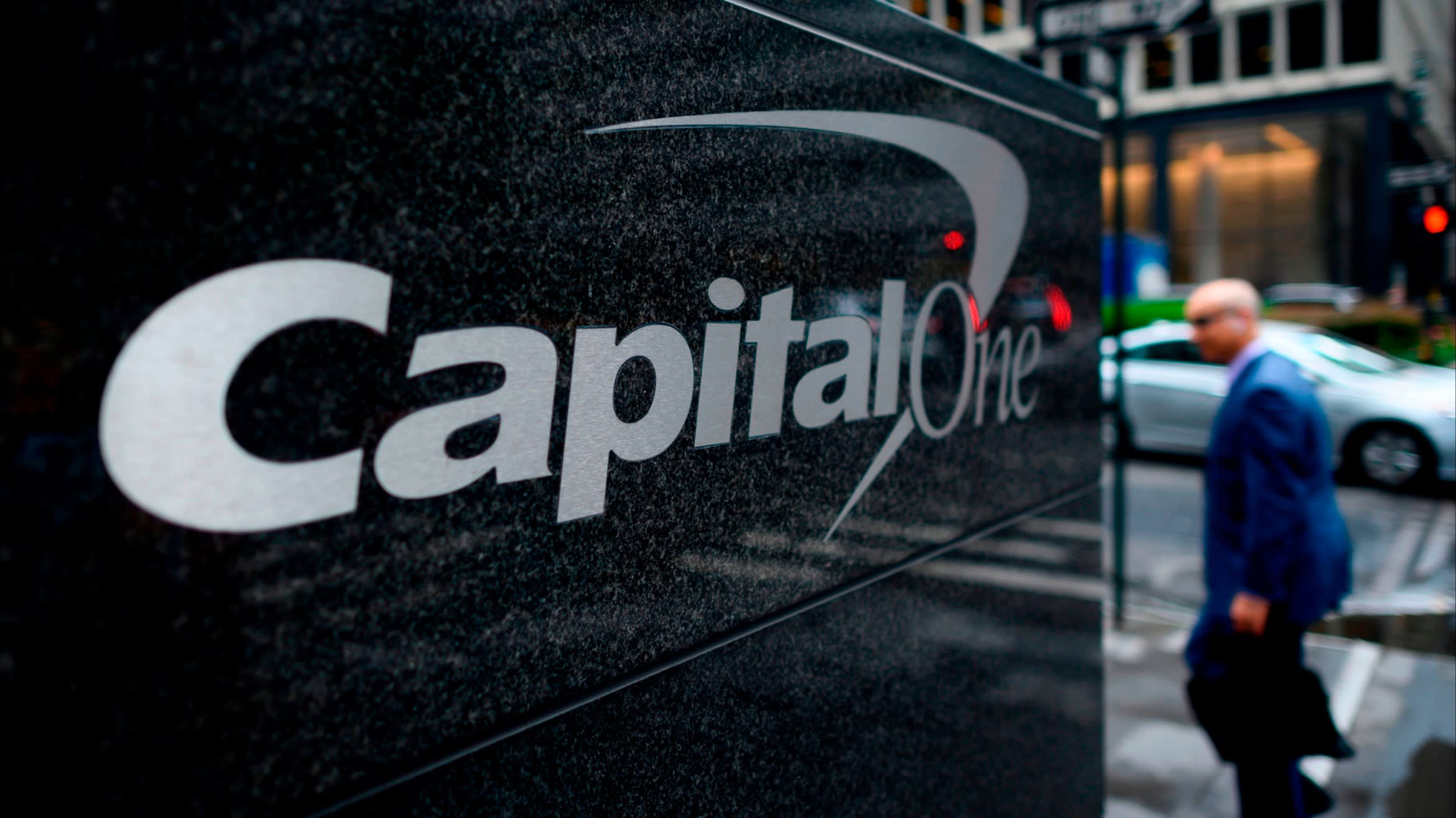
The market response was immediate and focused. Shares of Synchrony Financial, one of the nation’s largest issuers of store-branded credit cards, fell by more than 5%, while Bread Financial Holdings saw a similar decline. Industry giants were not immune; Capital One Financial Corp and Discover Financial Services—currently in the midst of a high-profile merger evaluation—both saw their stock prices retreat by approximately 3%. Even the "Big Four" banks felt the heat, with JPMorgan Chase, Citigroup, and Wells Fargo seeing modest but notable dips in their trading valuations. The volatility reflects a growing concern among shareholders that a hard cap on interest rates would fundamentally break the risk-pricing model that has governed American lending for decades.
At the heart of the controversy is the stark disparity between the proposed 10% ceiling and current market realities. According to data from the Federal Reserve, the average interest rate on credit card accounts assessed interest was approximately 22.76% in the second quarter of 2024. For many subprime borrowers or those with limited credit histories, rates frequently climb north of 30%. A 10% cap would represent more than a 50% reduction in gross interest income for many portfolios, a shift that analysts suggest would render the lending business model for lower-income tiers virtually unsustainable.
The economic rationale behind the proposal is rooted in a populist appeal to voters struggling with a persistent "cost-of-living" crisis. With American credit card debt recently surpassing the $1.1 trillion mark, the burden of servicing that debt has become a significant political flashpoint. Proponents of the cap argue that current interest rates are "usurious" and that banks are profiteering from the economic vulnerability of the working class. By slashing the rate to 10%, the campaign suggests it can provide immediate relief to millions of households, potentially saving the average indebted family thousands of dollars in annual interest payments.
However, economists and industry experts warn of severe unintended consequences that could ripple through the broader economy. The primary concern is the potential for a massive contraction in credit availability. Banks use high interest rates to offset the risk of default; if the reward for lending is capped at a level that does not cover the "risk premium" and operational costs, lenders are likely to tighten their standards significantly. This could result in a "credit crunch" where millions of Americans—particularly those with credit scores below 670—find themselves unable to obtain a credit card at all.
This phenomenon is often referred to in economic circles as "credit rationing." When a price ceiling is placed on the cost of borrowing, the supply of credit typically shrinks to meet only the most "prime" borrowers who represent near-zero risk. For the "unbanked" or "underbanked" populations, the loss of access to traditional credit cards could drive them toward more predatory alternatives, such as unregulated "shadow banking" sectors, high-interest payday loans, or the burgeoning but often opaque "Buy Now, Pay Later" (BNPL) market.
The proposal also faces significant legal and jurisdictional hurdles. Historically, the regulation of interest rates, or usury laws, has been the purview of individual states. However, the 1978 Supreme Court ruling in Marquette National Bank of Minneapolis v. First of Omaha Service Corp. effectively allowed nationally chartered banks to export the interest rates of their home state to customers across the country. This led to a concentration of credit card operations in states like South Dakota and Delaware, which have little to no interest rate caps. Overturning this established framework would likely require a significant act of Congress or a radical reinterpretation of the National Bank Act, both of which would face protracted legal challenges from the powerful banking lobby.
From a global perspective, a 10% cap would make the United States an outlier among developed economies. While many countries do have forms of interest rate regulation, they are rarely set at such a low, static level. In the United Kingdom, for instance, the Financial Conduct Authority (FCA) focuses on "persistent debt" rules and transparency rather than a hard interest rate ceiling. In many European Union nations, usury limits are often tied to a floating market rate (such as the central bank’s base rate plus a specific percentage), allowing the cap to move in tandem with the broader inflationary environment. A fixed 10% cap in the U.S. would be particularly restrictive given that the Federal Reserve’s funds rate currently sits above 5%, leaving banks with a narrow 5% margin to cover defaults, technology infrastructure, customer service, and profit.
The timing of this proposal is particularly sensitive for the banking sector, which is already grappling with the Consumer Financial Protection Bureau’s (CFPB) efforts to slash credit card late fees from an average of $32 down to $8. The combination of capped late fees and capped interest rates represents a "double whammy" for the profitability of consumer finance divisions. Analysts at major investment banks have noted that if both measures were to be implemented, the return on equity (ROE) for credit card businesses could plummet from the high teens into the low single digits, potentially triggering a wave of divestitures and industry consolidation.
Market analysts also point to the potential impact on the proposed $35 billion acquisition of Discover by Capital One. The deal was predicated on the synergies and scale necessary to compete with the likes of JPMorgan and American Express. However, if the regulatory environment shifts toward aggressive price controls, the valuation and strategic logic of such a massive merger could be called into question. Investors are now weighing the "regulatory risk premium" more heavily when evaluating any long-term positions in the financial services sector.
Furthermore, the proposal raises questions about the future of credit card rewards programs. The lucrative ecosystem of cash-back, airline miles, and travel perks is largely funded by the interchange fees paid by merchants and the interest income paid by "revolvers" (customers who carry a balance). If interest income is drastically reduced, banks would likely scale back or eliminate rewards programs entirely to preserve their margins. This would affect not just those carrying debt, but also "transactors"—the millions of Americans who pay their balances in full every month but benefit from the rewards ecosystem.
As the election cycle intensifies, the debate over the 10% cap is expected to become a central pillar of the economic discourse. While the promise of lower rates holds undeniable populist appeal, the financial sector is bracing for a period of heightened uncertainty. The slide in share prices seen this week serves as a stark reminder that in the interconnected world of global finance, political rhetoric can have immediate and tangible costs for market capitalization. Whether such a policy could ever move from the campaign stump to the statute books remains a matter of intense speculation, but for now, the mere suggestion has been enough to put the American banking industry on the defensive, signaling a potential shift toward a more interventionist era in US financial regulation.