


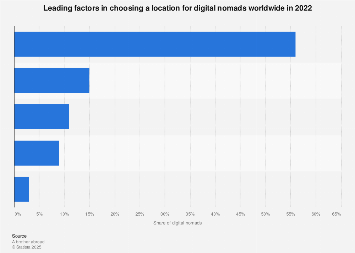
The allure of working remotely from exotic locales, fueled by high-speed internet and a spirit of adventure, has cemented the digital nomad lifestyle as a significant force in the modern global economy. For this burgeoning community, the choice of a temporary or long-term base is a carefully considered decision, balancing professional needs with personal preferences. In 2022, a comprehensive survey of digital nomads worldwide revealed the paramount factors influencing their location selection, underscoring a pragmatic approach to this unconventional career path.
At the forefront of this decision-making process were the twin pillars of affordability and connectivity. The cost of living emerged as the single most influential factor, with a substantial majority of digital nomads prioritizing destinations that offer economic feasibility without compromising on quality of life. This speaks to the financial realities of a lifestyle that, while often romanticized, still requires careful budgeting and a keen eye for value. Following closely behind, and almost equally critical, was the availability of fast and reliable internet access. In an era where remote work is intrinsically linked to digital infrastructure, a robust internet connection is not merely a convenience but a non-negotiable prerequisite for maintaining productivity and professional engagement. Without it, the entire premise of working from anywhere dissolves.
Beyond these fundamental requirements, safety and security ranked as the second most significant consideration for a considerable segment of the digital nomad population. This highlights a recognition that the freedom of remote work must be underpinned by a sense of personal security. The ability to explore new environments without undue concern for one’s well-being is crucial for fostering a positive and sustainable nomadic experience. This factor underscores a growing maturity within the digital nomad community, moving beyond purely aspirational travel to a more grounded assessment of living conditions.
While the precise percentages for each factor were not fully disclosed in the available data, the survey of 4,000 respondents, conducted via online interviews, clearly delineates a hierarchy of priorities. The emphasis on cost of living and internet speed suggests a community that is both pragmatic and tech-dependent. The inclusion of safety as a top concern indicates a holistic approach to location selection, recognizing that a fulfilling nomadic life requires more than just a Wi-Fi signal and a budget-friendly latte.
The economic implications of these preferences are far-reaching. Destinations that can effectively address these core needs are poised to attract a significant influx of talent and spending power. Cities and regions that offer a low cost of living, coupled with well-developed digital infrastructure and a strong safety record, are likely to become hubs for digital nomads. This can translate into significant economic benefits, including increased demand for local services, accommodation, and co-working spaces, as well as a boost to the tourism sector. Furthermore, the presence of a diverse and skilled remote workforce can foster innovation and entrepreneurship within these locations.
Globally, the rise of digital nomadism presents a unique opportunity for developing economies. Countries with lower costs of living and a commitment to improving internet infrastructure could strategically position themselves as attractive destinations. This not only brings foreign currency but also can lead to knowledge transfer and the development of local digital ecosystems. For instance, countries in Southeast Asia and Latin America have already seen a surge in digital nomad arrivals, drawn by their affordability and vibrant cultures. However, the long-term success of these locations hinges on their ability to continuously invest in and maintain high-speed internet access and ensure the safety and comfort of their transient residents.
The digital nomad trend is not monolithic, and individual priorities can vary. While cost and connectivity are broadly dominant, other factors undoubtedly play a role. These might include the availability of a vibrant community of like-minded individuals, access to cultural experiences, ease of visa regulations, and the presence of specific amenities like co-working spaces, gyms, or healthcare facilities. The data suggests that for the majority, however, these are secondary to the fundamental requirements of making a living and feeling secure.
The data also implies a potential shift in how people perceive "work." The traditional office environment is increasingly being challenged by the flexibility offered by remote work. Digital nomads are at the vanguard of this movement, demonstrating that productivity is not tied to a physical location but to the tools and environment that enable it. This has profound implications for urban planning, real estate markets, and the future of work itself. Companies are increasingly adapting to this reality, offering more flexible work arrangements and recognizing the value of a globally distributed workforce.
The continued growth of the digital nomad population suggests that these trends are not ephemeral. As technology continues to advance and the world becomes more interconnected, the ability to work from anywhere will only become more accessible. This necessitates a proactive approach from governments and businesses to understand and cater to the evolving needs of this dynamic demographic. Investing in digital infrastructure, promoting safety, and fostering welcoming environments will be key to unlocking the economic and social potential of this global workforce. The 2022 survey provides a clear roadmap, emphasizing that for the modern digital nomad, a fulfilling and productive remote work experience is built on a foundation of affordability, connectivity, and security.