

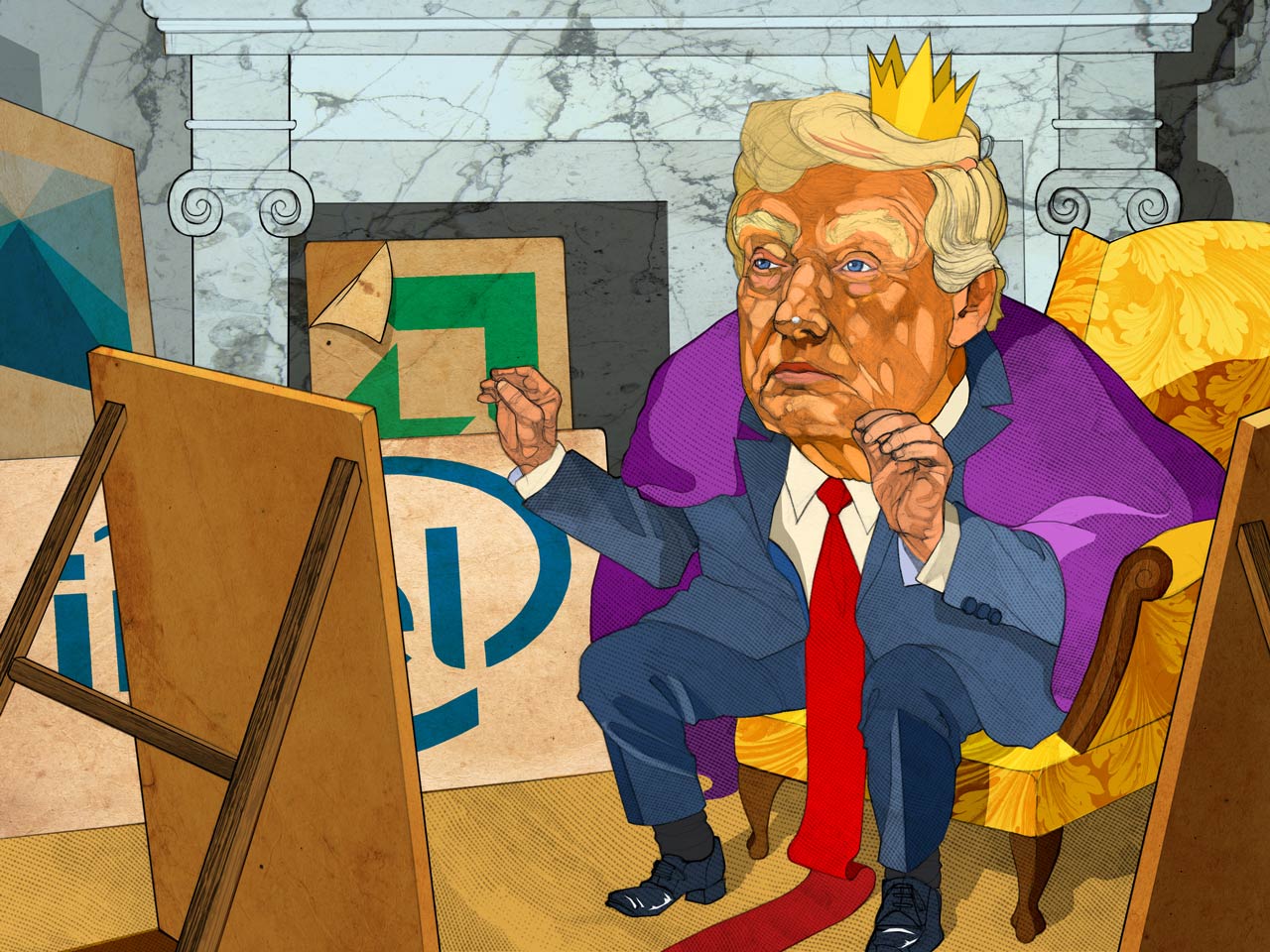
For over a century, the bedrock of the United States’ economic prosperity has been a robust embrace of private enterprise, characterized by a relatively limited role for government intervention. This market-driven model, fostering innovation and competition, has been a cornerstone of its global economic leadership. However, recent policy shifts and pronouncements from former President Donald Trump suggest a significant departure from these foundational principles, indicating a potential reshaping of America’s economic landscape where political considerations may increasingly supersede pure productivity and market dynamics. These interventions, spanning diverse sectors from critical manufacturing industries like steel and semiconductors to the influential realms of media and scientific research, signal a potential reorientation of the nation’s economic compass.
The implications of such a pivot are far-reaching, touching upon established trade relationships, domestic industrial strategies, and the very definition of a competitive marketplace. Historically, the US has championed free trade and open markets, believing that competition, unimpeded by excessive government protectionism, spurs efficiency and ultimately benefits consumers. This philosophy has underpinned decades of economic growth and solidified the US dollar’s status as the world’s reserve currency. The imposition of tariffs on imported steel, for instance, ostensibly aimed at protecting domestic producers, often leads to retaliatory measures from trading partners, disrupting global supply chains and increasing costs for downstream industries that rely on these raw materials. This can create a domino effect, where the intended beneficiaries of such policies might ultimately face higher input costs or reduced export opportunities.
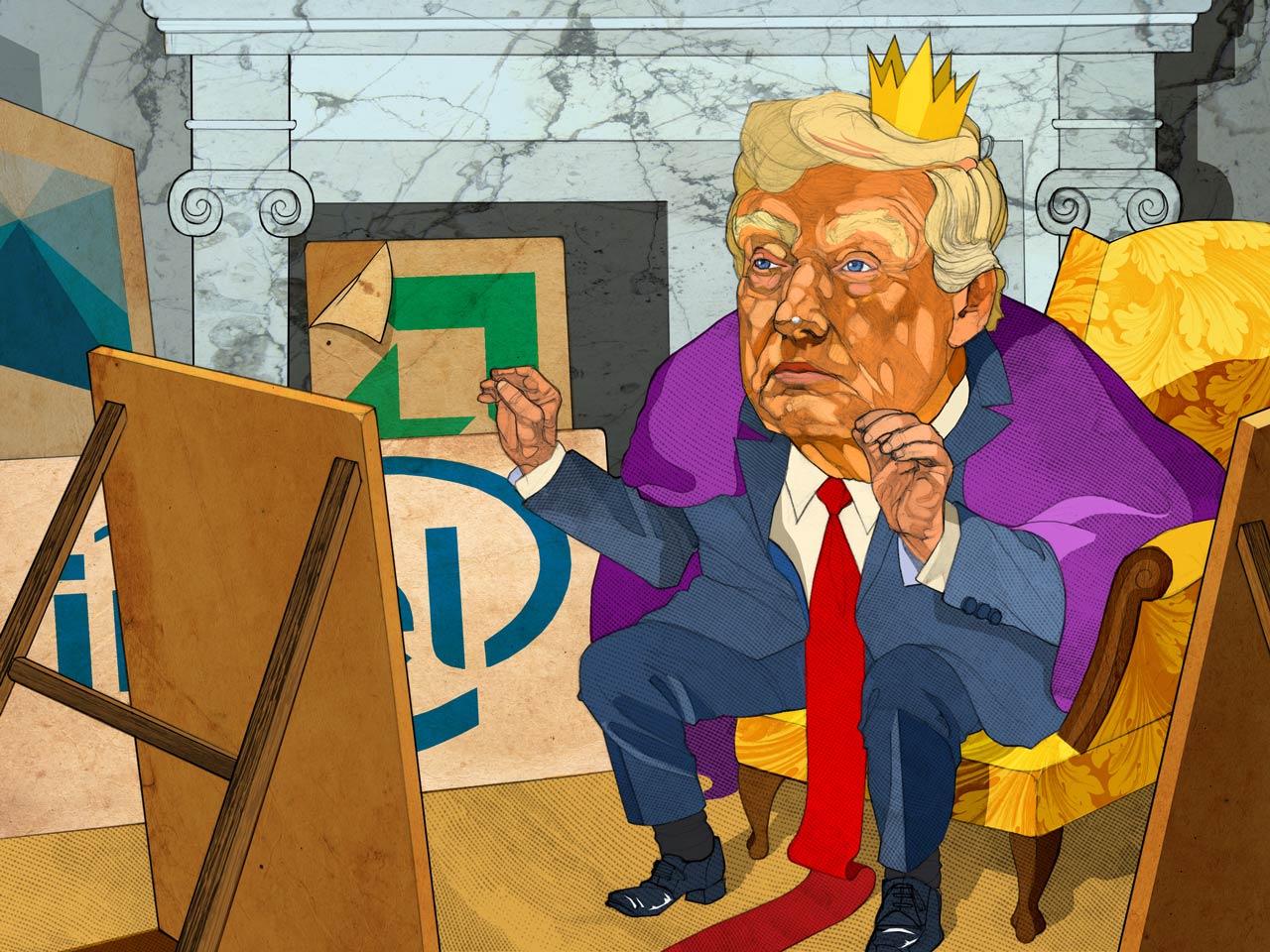
Similarly, the strategic push for domestic semiconductor manufacturing, while addressing genuine national security concerns and supply chain vulnerabilities exposed by recent global events, involves substantial government subsidies and incentives. While such investments can spur domestic production and job creation, they also raise questions about market efficiency. Critics argue that large-scale government intervention in specific industries can distort market signals, potentially leading to misallocation of capital and the creation of less competitive, protected industries that struggle to compete once subsidies are withdrawn. This approach contrasts sharply with the organic growth driven by private sector innovation and investment, which has historically been the engine of American technological advancement. The debate centers on whether government-directed investment can truly replicate the agility and responsiveness of market-led innovation, particularly in rapidly evolving technological fields.
The influence of political considerations on sectors like media and research also warrants careful examination. When government policy begins to shape the narrative or direct the focus of research and development, it risks compromising the independence and objectivity that are crucial for genuine progress and informed public discourse. In the media landscape, interventions can be perceived as attempts to influence public opinion or stifle dissenting voices, undermining the principles of a free press. In scientific research, political directives, rather than scientific merit or societal need, could steer funding and research priorities, potentially hindering breakthroughs in areas that may not align with immediate political agendas but hold long-term societal or economic value.
The global economic context further amplifies the significance of these policy shifts. Many nations are grappling with similar debates about the appropriate balance between market forces and government intervention, particularly in the wake of the COVID-19 pandemic, which highlighted the fragility of global supply chains and the need for greater national resilience. However, the US, as a leading economic power, has a disproportionate influence on global economic norms and practices. A move towards more protectionist or state-directed economic policies by the US could encourage similar trends in other countries, potentially leading to a fragmentation of the global economy and a rollback of decades of progress in trade liberalization.
Statistics from organizations like the World Trade Organization (WTO) and the International Monetary Fund (IMF) have consistently shown that countries with more open economies and greater reliance on market mechanisms tend to exhibit higher rates of economic growth and poverty reduction. While targeted interventions can sometimes address market failures or national security imperatives, a broad-based shift towards politically motivated industrial policy carries inherent risks. For instance, a study by the Peterson Institute for International Economics might reveal that the cost of protectionist measures, in terms of reduced consumer choice and higher prices, can outweigh the benefits of any protected domestic industries.
Expert opinions on these evolving economic strategies are divided. Some economists argue that a more active government role is necessary to address contemporary challenges such as climate change, income inequality, and geopolitical competition, viewing these interventions as strategic investments in national competitiveness and security. Others, however, express deep concern that such policies could lead to inefficiencies, cronyism, and a decline in America’s long-term economic dynamism. Dr. Anne Krueger, a former World Bank chief economist, has frequently cautioned against protectionist measures, emphasizing their tendency to harm consumers and distort global trade patterns. Her analyses often highlight that while the intent may be to bolster domestic industries, the unintended consequences, such as retaliatory tariffs and reduced market access for other sectors, can ultimately be detrimental to the overall economy.
The historical precedent of protectionist policies in the US, such as those preceding the Great Depression, serves as a cautionary tale for some observers. While the current global economic environment is vastly different, the underlying economic principles of trade and competition remain relevant. The challenge for policymakers is to navigate the complex interplay of economic efficiency, national security, and social equity without sacrificing the fundamental market principles that have historically driven American innovation and prosperity. The long-term economic impact of a sustained shift towards politically driven economic interventions remains to be seen, but it undoubtedly represents a critical juncture for the United States and the global economic order. The debate is not merely about specific industries but about the philosophical underpinnings of economic development and the role of government in a globalized world.