
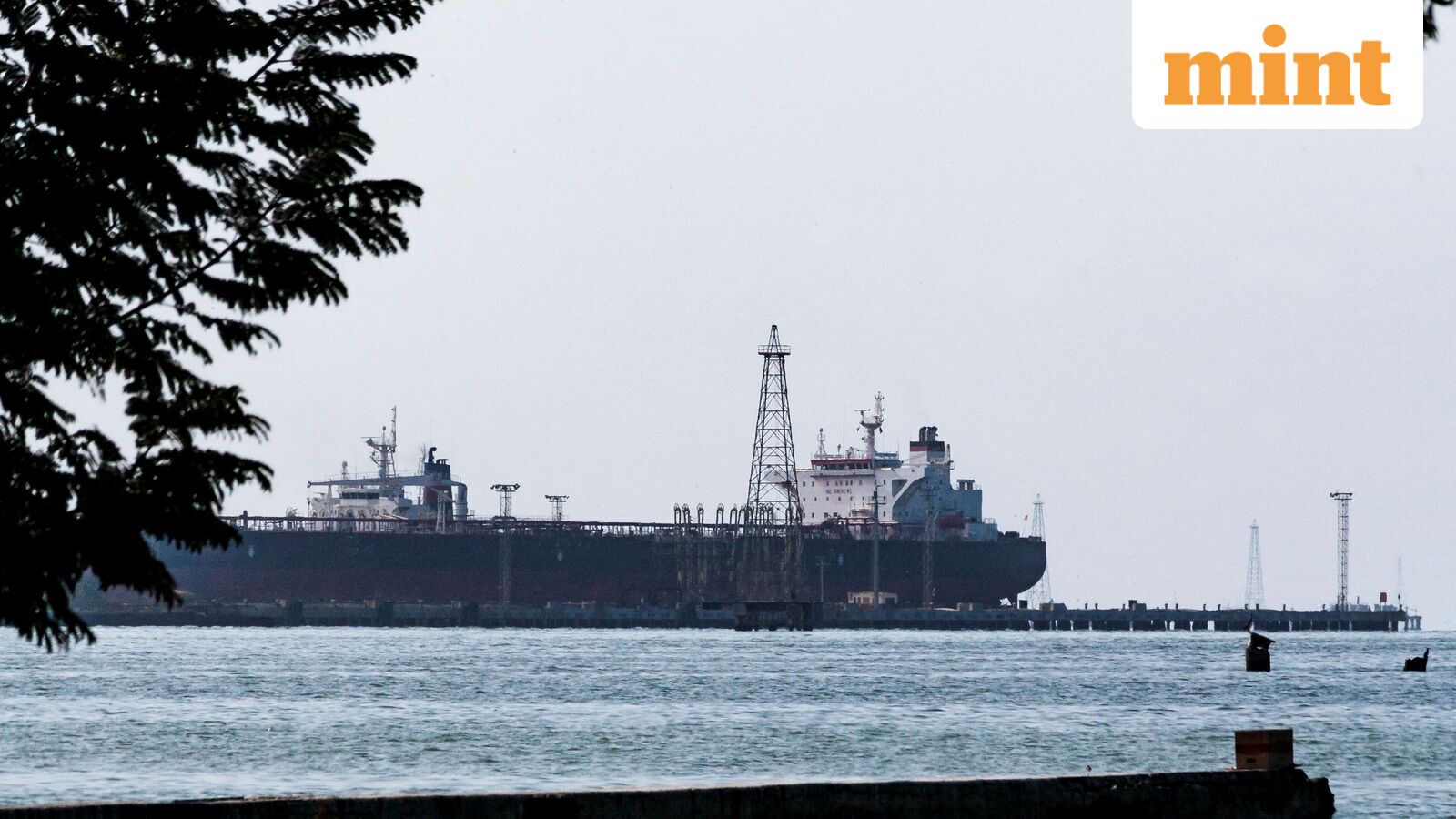
The global energy landscape is undergoing a profound transformation, marked by an unprecedented surge in illicit maritime oil trade facilitated by a rapidly expanding "shadow fleet." This clandestine network of tankers, operating beyond the purview of traditional regulatory frameworks, has become a critical conduit for nations under Western sanctions, fundamentally altering global crude oil flows and challenging the efficacy of international economic pressure. The phenomenon, initially a response to targeted sanctions, has evolved into a structural component of the global commodity market, demonstrating remarkable resilience and operational ingenuity in the face of escalating enforcement efforts.
At its core, the shadow fleet comprises vessels deliberately obscuring their movements and ownership to transport oil from sanctioned entities. The tactics employed are sophisticated and multifaceted, ranging from frequent changes of ship names and national flags to the strategic disabling of Automatic Identification System (AIS) transponders, rendering them invisible to standard satellite tracking. This practice, often termed "going dark," allows these vessels to conduct ship-to-ship (STS) transfers in remote or unregulated waters, further obfuscating the origin and destination of their cargo. These tankers are typically older, often lacking proper insurance coverage, and operate under extremely opaque ownership structures, frequently involving layers of shell companies registered in permissive jurisdictions, making identification and accountability a significant challenge for international regulators.
The growth trajectory of this unconventional armada has been nothing short of exponential. Data from maritime analytics firms like Kpler indicates a staggering expansion, with the number of vessels engaged in this shadowy trade swelling from a mere 97 in 2022 to approximately 3,313 by the close of 2025—an astonishing increase of 3,315%. This surge means that the shadow fleet now commands an estimated 18.5% of the total global tanker capacity, according to S&P Global. In financial terms, this illicit network moved an estimated $100 billion worth of crude oil in 2025, accounting for 6-7% of the world’s total oil flows. This scale transforms what might have been considered isolated compliance breaches into a significant, integrated layer of global commerce, where obfuscation has become a normalized operating model rather than an exception.

The fleet is broadly categorized into two sub-segments: the "dark fleet," which specifically targets ships under direct US or EU sanctions, and the "grey fleet," comprising vessels that, while not formally sanctioned, are suspected by analytical agencies of engaging in trade with or from sanctioned countries. This distinction highlights the nuanced challenges faced by enforcement bodies. Russia, for instance, has emerged as the dominant player in this illicit shipping ecosystem, particularly following the comprehensive Western sanctions imposed after the 2022 Ukraine conflict. More than half of the tankers with a deadweight tonnage above 27,000 tonnes, identified by S&P Global as part of this shadow fleet, are linked to Russian interests. Beyond Russia, a substantial portion of these vessels operates under flexible or indeterminate ownership structures, often managed by shadowy shipping magnates and frequently utilized for offshore oil transfers in regions like Malaysia, further complicating efforts to trace ownership and origin.
On the supply side, the primary beneficiaries of this shadow network are nations subjected to stringent Western sanctions, most notably Russia, Iran, and Venezuela. Russia, confronted with a G7-led price cap mechanism and embargoes, rapidly developed its dark fleet to sustain its vital oil exports, circumventing traditional shipping and insurance markets. In November 2025 alone, Russia accounted for 63 million barrels of the 299 million barrels of crude oil shipped globally by the shadow fleet. Iran, with decades of experience navigating sanctions, relies heavily on this clandestine trade to fund its economy, often employing sophisticated ship-to-ship transfers in the Persian Gulf and Southeast Asian waters to disguise the origin of its crude. Venezuela, similarly constrained by US sanctions, has also increasingly turned to these unofficial channels to export its crude, though potential shifts in its geopolitical standing could alter its reliance on such methods. For these nations, the shadow fleet provides an economic lifeline, enabling them to maintain critical revenue streams despite international pressure.
On the demand side, two economic powerhouses, India and China, have emerged as pivotal importers of this discounted, sanctioned crude. These nations, driven by burgeoning energy demands and a strategic imperative to diversify their supply sources, have readily absorbed a significant portion of the shadow fleet’s cargo. For the last three months of 2025, India and China collectively accounted for approximately one-fifth of all crude oil imports facilitated by the shadow fleet. China, in particular, is the largest buyer of Iranian oil, which reaches its shores through an intricate process of offshore cargo transfers, often in Southeast Asian waters, before heading to Chinese ports. This allows Chinese refiners to secure crude at attractive discounts, bolstering their energy security and competitive advantage in the global market.
India’s role as a major importer of shadow fleet crude has also been substantial. In 2024, an estimated 9.5% of crude oil flows from Russia to India utilized this clandestine shipping network. However, recent developments indicate a nuanced shift. Following the imposition of US tariffs in April, India’s official imports of Russian crude have shown a noticeable decline, with Russia’s share of India’s total crude imports falling from a high of 45% in July 2024 to 32% in December 2025. This reduction reflects India’s careful balancing act between maintaining strategic ties with Russia and avoiding potential secondary sanctions from the United States. Indian refiners have reportedly begun diversifying their procurement, increasing purchases from Middle Eastern sources. Furthermore, new EU-27 measures taking effect in 2026 are poised to tighten restrictions on fuels produced from Russian-origin crude, potentially jeopardizing a significant share of India’s refined product exports to Europe, pushing New Delhi to recalibrate its energy import strategy.

Despite concerted efforts by regulators to curb this illicit trade—which saw 686 vessels and 196 companies sanctioned for illicit crude oil transport in 2025—the shadow fleet continues to thrive. Enforcement agencies have focused on high-risk regions such as the Eastern Mediterranean, Gulf of Oman, and Black Sea, as well as transshipment hubs linked to Russian crude and LNG flows. Yet, the network’s operational resilience is remarkable. Kpler notes that regulatory friction is consistently met with operational creativity, where the closure of one corridor invariably leads to the emergence of alternative routes. The ecosystem supporting this trade, characterized by opaque ownership, permissive jurisdictions, and a parallel infrastructure of service providers, collectively hardens the network against external pressure, making effective enforcement a perpetual game of "whack-a-mole" for international bodies.
The long-term implications of this burgeoning shadow trade are profound, extending beyond immediate economic impacts to reshape geopolitical dynamics and maritime safety standards. The sustained demand from major economies like China and India, coupled with ongoing sanctions against key producers, suggests that a dramatic reduction in the shadow fleet’s activities in the near future is unlikely, unless significant geopolitical shifts, such as the lifting of sanctions on Venezuela, alter the calculus. This enduring parallel market distorts global oil benchmarks, undermines price transparency, and challenges the integrity of international sanctions regimes. Moreover, the reliance on older, often uninsured vessels raises significant environmental and safety concerns, posing increased risks of accidents, spills, and maritime disasters without adequate accountability mechanisms. The shadow fleet’s ascendance underscores a significant challenge to the existing global order, highlighting the complex interplay between energy security, economic leverage, and the evolving landscape of international diplomacy.