

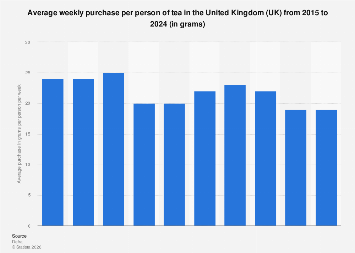
The United Kingdom’s enduring affinity for tea remains a cornerstone of its cultural identity and a significant factor in its consumer landscape. In 2024, the average British individual continues to exhibit a robust weekly per capita purchase of this beloved beverage, underscoring its persistent popularity despite evolving dietary habits and the rise of alternative drinks. This sustained demand highlights tea’s deep-rooted presence in daily routines, from the morning ritual to afternoon respite, and its resilient market share in a competitive beverage sector.
Analyzing the nuances of tea consumption in the UK reveals a complex interplay of tradition, accessibility, and evolving consumer preferences. While precise figures for weekly per capita purchases in 2024 are proprietary data points, industry reports and consumer surveys consistently indicate a high level of engagement with tea across all demographics. This sustained consumption is not merely anecdotal; it translates into substantial economic activity, supporting a vast supply chain that encompasses cultivation, manufacturing, distribution, and retail. The UK tea market, valued in the billions of pounds annually, is a testament to the enduring power of this humble leaf.
The cultural significance of tea in Britain cannot be overstated. It is more than just a drink; it is a social lubricant, a comforting presence during times of stress, and an integral part of hospitality. The ubiquitous nature of tea breaks, the ritual of preparing and serving tea, and its association with gatherings and conversations all contribute to its deep emotional resonance. This cultural embedding provides a foundational resilience to tea consumption, making it less susceptible to the fleeting trends that can impact other food and beverage categories.
Globally, the UK stands out as a nation with exceptionally high per capita tea consumption. While countries like Turkey and Ireland also exhibit strong preferences, Britain’s long-standing tradition and widespread availability of diverse tea varieties position it as a key market. This national predisposition influences not only domestic sales but also the UK’s role in the international tea trade, driving demand for black teas, in particular, which form the backbone of the traditional British cuppa.
The economic impact of this consistent demand is multifaceted. The retail sector benefits directly from high sales volumes, with supermarkets, convenience stores, and online retailers all playing a crucial role in making tea readily accessible. Beyond retail, the beverage manufacturing industry, which includes major tea brands, invests heavily in production, marketing, and innovation. Furthermore, the hospitality sector, from cafes and restaurants to hotels, relies on a steady supply of tea to cater to customer expectations.
Recent market data suggests a steady, albeit perhaps not rapidly growing, per capita consumption. Factors influencing this steady state include a mature market where new consumers are unlikely to dramatically alter existing patterns, and a demographic balance where older generations, often with ingrained tea-drinking habits, are offset by younger consumers exploring a wider array of beverages. However, even younger demographics often retain tea as a familiar and comforting option, especially during periods of study or work.
Innovation within the tea market also plays a role in maintaining its appeal. While traditional black tea remains dominant, there has been a discernible rise in the popularity of herbal infusions, green teas, and specialty blends. This diversification caters to evolving health consciousness and a desire for novel taste experiences. Brands are responding by offering a wider range of premium options, functional teas (e.g., for sleep or energy), and sustainably sourced products, appealing to a more discerning and ethically aware consumer base.
The pricing of tea products in the UK generally reflects a broad spectrum, from highly affordable supermarket own-brands to premium loose-leaf varieties commanding higher prices. This accessibility across different price points ensures that tea remains a staple for households across all income levels, contributing to its consistent per capita purchase volume. The average price per serving remains relatively low, making it an economical choice compared to many other beverages.
Looking ahead, several factors could influence future tea consumption patterns. Growing awareness of the health benefits associated with certain teas, coupled with ongoing sustainability initiatives in tea cultivation and packaging, could further bolster demand. Conversely, the continued proliferation of ready-to-drink (RTD) beverages, energy drinks, and sophisticated coffee culture presents ongoing competition. However, the deeply ingrained cultural habit and the perceived healthfulness of traditional tea provide a significant buffer against these competitive pressures.
Economic analyses often point to the tea industry as a resilient sector, less prone to dramatic downturns due to its essential nature for many consumers. While inflation can affect disposable income and potentially lead to shifts towards lower-priced options, the fundamental appeal of tea as an affordable and comforting beverage is likely to endure. The UK government’s approach to taxation on beverages, and any potential future measures impacting sugar content or ingredient sourcing, could also have subtle long-term effects.
The data on weekly per capita tea purchases, when available through comprehensive market research, provides a critical barometer for the health of this sector. It allows industry players to forecast demand, manage inventory, and strategize marketing efforts effectively. For policymakers, understanding these consumption patterns can inform public health initiatives related to diet and hydration.
In conclusion, the UK’s commitment to its daily cup of tea appears unwavering in 2024. The beverage’s cultural resonance, its accessibility across various price points, and the industry’s capacity for innovation collectively ensure its continued prominence. While the beverage landscape is dynamic and ever-evolving, the humble tea leaf has demonstrated remarkable adaptability and enduring appeal, solidifying its place as a cherished and consistently consumed staple in British households. The economic ripple effects of this sustained demand continue to support a significant portion of the nation’s food and beverage industry, underscoring the quiet, yet profound, economic power of a good brew.