


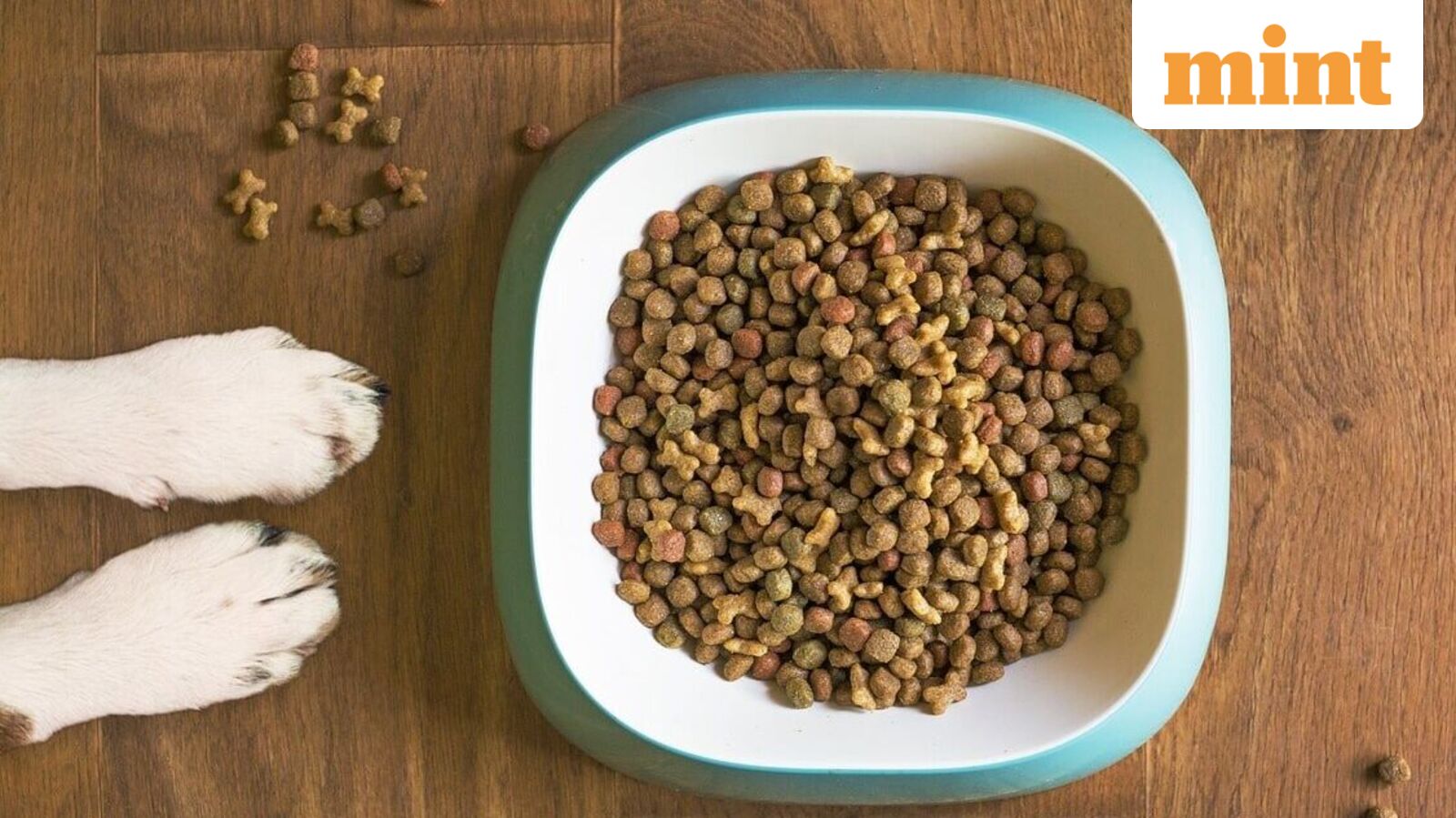
The global pet care industry, a burgeoning sector characterized by deeply emotional consumer bonds and robust spending, is witnessing a transformative shift as agile direct-to-consumer (D2C) brands leverage subscription models to carve out a sustainable competitive edge against established fast-moving consumer goods (FMCG) giants. This strategic pivot, aimed at securing predictable revenue streams and fostering unparalleled customer loyalty, is particularly pronounced in rapidly expanding markets like India, where pet ownership is surging among young, urban demographics. As the market heats up, D2C players are banking on the inherent nature of pet product consumption to make subscriptions a formidable "moat" against the immense scale and distribution power of multinational conglomerates.
For D2C pet care ventures, the appeal of a subscription-based framework is multi-faceted. It translates into enhanced customer lifetime value (CLTV), reduced customer acquisition costs (CAC) over time, and a more stable revenue forecast, crucial for scaling operations and attracting investment. Kartikeya Gupta, co-founder of natural cat food brand Smylo, whose innovative approach recently secured significant funding on a prominent business reality show, emphasizes the model’s efficacy: "Nearly 40% of our repeat customers today come through the subscription model, which tells us how effective it has been in driving predictable demand." From the consumer perspective, subscriptions marry convenience with cost-effectiveness, automating routine purchases of essential pet supplies and often providing better value through bundled offerings or recurring order discounts. The flexibility to pause, skip, or cancel shipments without long-term commitments further empowers pet parents, ensuring they maintain control while alleviating the burden of frequent reordering. This model is especially pertinent for staple products like pet food, which are consumed consistently, sometimes daily, making automated replenishment a logical and attractive proposition.
The broader pet care market is experiencing exponential growth, globally and within key emerging economies. Euromonitor International data indicates that the global pet care sector expanded from approximately $690.5 million in 2023 to $786.6 million in 2024, with projections reaching $884.4 million in 2025. In India, industry experts foresee the market potentially soaring to an estimated ₹35,000 crore (approximately $4.2 billion USD) in 2026. This boom is fueled by several macro trends: the increasing "humanization" of pets, rising disposable incomes, urbanization, and a significant proportion of first-time pet parents – typically younger, affluent consumers who prioritize premiumization and convenience. This lucrative landscape has attracted a wave of established FMCG players, including new entrants like Reliance Retail’s Waggies and Wipro Consumer Care’s HappyFur, alongside strategic investments from industry stalwarts like Godrej Consumer Products and Nestlé. These giants are intensifying competition across all price segments, leveraging their deep pockets for marketing, extensive distribution networks, and established brand trust to capture market share.

While comprehensive data on pet food subscriptions specifically remains nascent, a May 2025 Euromonitor report highlighted the growing acceptance of subscription-based models for pet grooming kits, treats, and monthly toy boxes among urban pet owners. Companies such as Captain Zack and Wiggles are actively capitalizing on this trend through auto-replenishment services, where convenience and perceived value are primary drivers of adoption. However, the path for subscription models in the D2C space has not always been smooth. Many startups in other consumer categories have encountered significant hurdles. Cold-pressed juice brands like Raw Pressery grappled with high perishability and prohibitive cold-chain logistics, eroding margins. Dairy brands, such as Epigamia, found consumers often preferred immediate, on-demand purchases via local stores or quick-commerce platforms. Even in personal care, men’s grooming brands like Bombay Shaving Company struggled with inconsistent usage patterns and low switching costs, making long-term subscription retention challenging.
Despite these cautionary tales, proponents argue that pet food operates under a different paradigm. "Meals are a daily essential, and pets tend to grow accustomed to specific brands, making consumption more predictable," explains Smylo’s Gupta. "Pet owners are also reluctant to change diets abruptly, naturally lending the category to subscription models." This inherent loyalty, coupled with the recurring need for sustenance, distinguishes pet food from other consumer products with more sporadic usage or lower switching barriers. While traditional brick-and-mortar retail remains vital for initial customer acquisition, D2C brands increasingly view subscriptions as a potent lever for long-term retention. From a business perspective, this translates into significantly lower marketing costs, as brands do not need to repeatedly expend resources to re-engage existing customers for subsequent purchases.
For many emerging pet care brands, subscriptions are not merely a short-term growth hack but a foundational element of their long-term strategic defense. Hari Shankar, founder of Chennai-based dog food brand Pets of Paradise, acknowledges their "strategic importance but not yet mission-critical" status, emphasizing that initial brand trust, product quality, and consumer education are paramount. Yet, he foresees subscriptions evolving into a "defensive moat by locking in habitual consumption and reducing switching driven by price-led FMCG competition." Although subscriptions currently constitute a modest portion of Pets of Paradise’s customer base and revenue, their impact on retention, average order values, and overall customer lifetime value is disproportionately higher. Insights gleaned from these loyal subscribers are already influencing product development, leading to innovations like varied textures, smaller and more frequent stock-keeping units (SKUs), and basket-led offerings that extend beyond core meals. Shankar highlights that their competitive advantage lies in "proximity"—direct engagement and personalized offerings that larger competitors struggle to replicate, especially in Tier-II and Tier-III markets where trust must first be painstakingly established.
Bengaluru-based Muttley Crew, a five-year-old D2C brand specializing in preservative-free pet treats and meals, is strategically preparing its subscription rollout. Founder Smriti Thomas outlines a cautious, value-driven approach, prioritizing added benefits over aggressive discounting. "Treats already see repeat buying, but meals really need to be subscription-led. That’s where automation makes sense," she states. The company plans to embed value beyond just price, with each subscription box potentially including small gifts or useful collectibles related to pet health. Flexibility is also paramount, acknowledging India’s nascent comfort with subscriptions beyond digital streaming or gym memberships. "There’s no lock-in, no large upfront payment, and the option to cancel anytime," Thomas affirms. Ultimately, she believes subscriptions reinforce routine and consistency once initial trust and product efficacy are established, allowing smaller brands to compete on engagement and outcomes rather than simply price.

However, not all industry observers share this widespread optimism. Arvind Singhal, Chairman of consulting firm The Knowledge Company, expresses skepticism regarding the model’s widespread viability in the country, particularly for pet food. He argues that the market is inherently skewed towards large national players, where factors like scale, extensive distribution networks, and established brand trust outweigh niche engagement. "It’s a typical FMCG product," Singhal asserts. "Conventional distribution channels, economies of scale, and research and development come into play. If you can spend ₹2,000-₹2,500 on a Nestlé product or an equivalent FMCG brand, you’ll switch straight away. There’s trust already." He further questions the ability of startups to penetrate smaller cities, where large FMCG companies boast unparalleled reach across millions of sales points. Singhal remains cautious about the long-term sustainability of D2C pet brands, predicting that most will remain niche players, perhaps achieving modest revenues before potentially being acquired, but unlikely to challenge the market dominance of established giants.
Despite this skepticism, the strategic imperative for D2C pet brands to cultivate loyal customer bases remains. The evolving landscape suggests a future where hybrid models – blending online subscriptions with offline retail presence – might emerge as a dominant strategy. As pet ownership continues its upward trajectory and consumer preferences lean towards convenience and personalized care, the battle for pet parents’ wallets will intensify. While FMCG behemoths wield immense power through their existing infrastructure, D2C challengers, armed with direct engagement, niche product innovation, and the sticky promise of subscription-driven convenience, are poised to redefine the contours of the pet care market, proving that even in a segment dominated by giants, a well-constructed "moat" can still protect a thriving kingdom.